




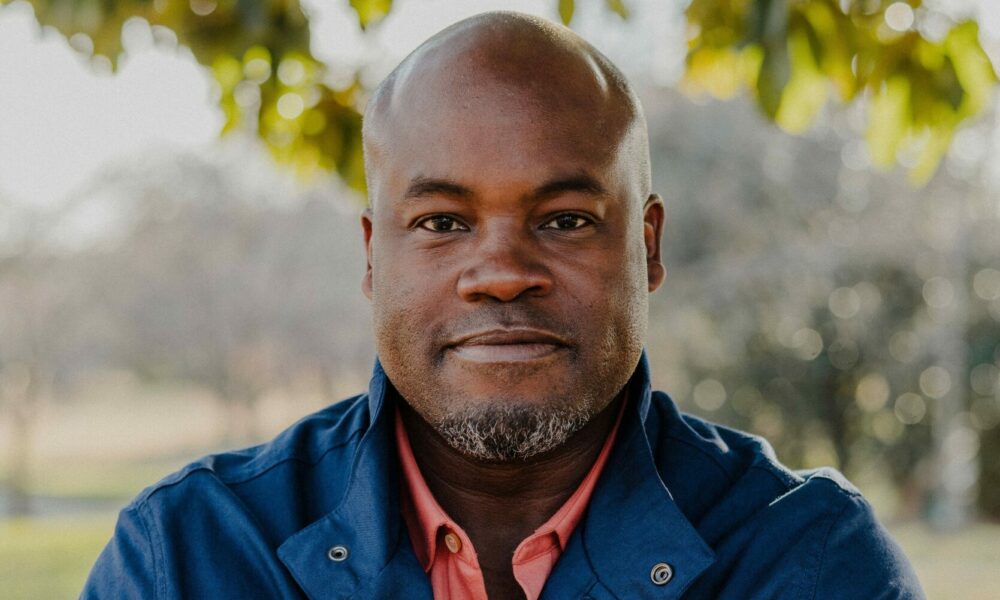
Today we’d like to introduce you to Travis Claybrooks.
Alright, so thank you so much for sharing your story and insight with our readers. To kick things off, can you tell us a bit about how you got started?
Born in the early 1970s at Vanderbilt Hospital, by the late 1990s, I embarked on a career as a police officer in Nashville, dedicating much of my efforts to serving the Napier-Sudekum community, a public housing area in South Nashville along Lafayette Street and Murfreesboro Road. My initial experiences in this role, particularly the first few nights under the guidance of my master patrol officer, presented a profound culture shock.
Raised in a conservative Christian household in Bordeaux, near the Clarksville Highway-Kings Lane area—then a suburban part of North Nashville—I was nurtured within the Seventh-day Adventist community. This community, known for having one of the largest parochial hospital and school systems worldwide, second only to the Catholic Church, provided a sheltered upbringing. My education was in private church school, and my mother, a nurse at Riverside Hospital, along with my father, ensured I received a quality education, shielding me from the harsher realities faced by many African American children.
My work in the community exposed me to the stark realities and limitations of the criminal legal system in addressing the challenges faced by those living in poverty. Rather than encountering individuals engaged in criminal activity for its own sake, I saw people striving to survive with limited resources, resorting to any means necessary, including selling drugs or themselves. This experience led me to question the effectiveness of a system reliant on policing and incarceration as solutions to societal problems and sparked the realization that access to essential resources could significantly alter outcomes for many.
The events of the summer of 2016, including the murders of Alton Sterling and Philando Castile, alongside the subsequent unrest, prompted me to reflect deeply on the systemic issues at play. I realized that my path could have diverged significantly had I not been born into a family with access to education, healthcare, and a supportive community.
This recognition led to the inception of the Raphah Institute, founded on the principle that access to economic opportunities, housing, healthcare, education, and robust social support systems should not be a matter of luck but a right. Our mission is to establish a continuum from cradle to homeownership as an alternative to the cradle-to-prison pipeline, offering a foundation for a future where resources and opportunities are accessible to all, irrespective of their circumstances at birth.
Can you talk to us about the challenges and lessons you’ve learned along the way? Looking back, would you say it’s been easy or smooth in retrospect?
The journey of establishing and guiding a nonprofit organization has been a blend of significant achievements and notable challenges. Smooth progression has not characterized our path. A perennial challenge for nonprofit leaders is the continuous need to secure funding to fuel our mission. Moreover, the development and execution of programs and services that deliver substantial impact and quality present ongoing hurdles. Recruiting and maintaining a dedicated team aligned with our mission’s demands also poses a significant challenge.
Expanding the organization encompasses its own set of obstacles, notably in creating sustainable systems and frameworks that ensure longevity beyond the tenure of its founders, while also providing clear guidance for new team members. Articulating our successes, a critical aspect of our growth, demands expertise in marketing and communications. Additionally, it is imperative to institute robust accounting practices and governance structures to manage the organization’s finances responsibly. These endeavors necessitate considerable resources and financial investment.
Alright, so let’s switch gears a bit and talk business. What should we know?
Systemic barriers in a community can leave people tattered with few healthy options to cope. These barriers can be social, like racism; psychological, like fear and anxiety; or physical, like a lack of transportation. Barriers like these prevent people from accessing key resources like money, healthcare, education, housing in a safe neighborhood, and social support systems. These barriers and the lack of access to these resources work together in a compounding and complicated way.
Without opportunities to overcome and remove these barriers and have access to these vital resources, generational cycles of crippling poverty, traumatizing violence, isolation, chronic illness, debilitating shame, and early death result. These cycles cost society far more money to manage than to prevent. More importantly, our communities lose the remarkable contributions of brilliant and innovative people that might otherwise be realized. Everyone should have access to the things they need to thrive.
Raphah Institute is building a cradle-to-homeownership pipeline by designing new pathways for people to access the vital resources they need to thrive. We partner with communities most impacted by systemic barriers that lead to generational poverty, violence, prison, and early death to design and implement new systems for people to access what they need to heal and thrive.
Currently, we have two active initiatives and are developing two more. Restorative Justice Diversion (RJD).
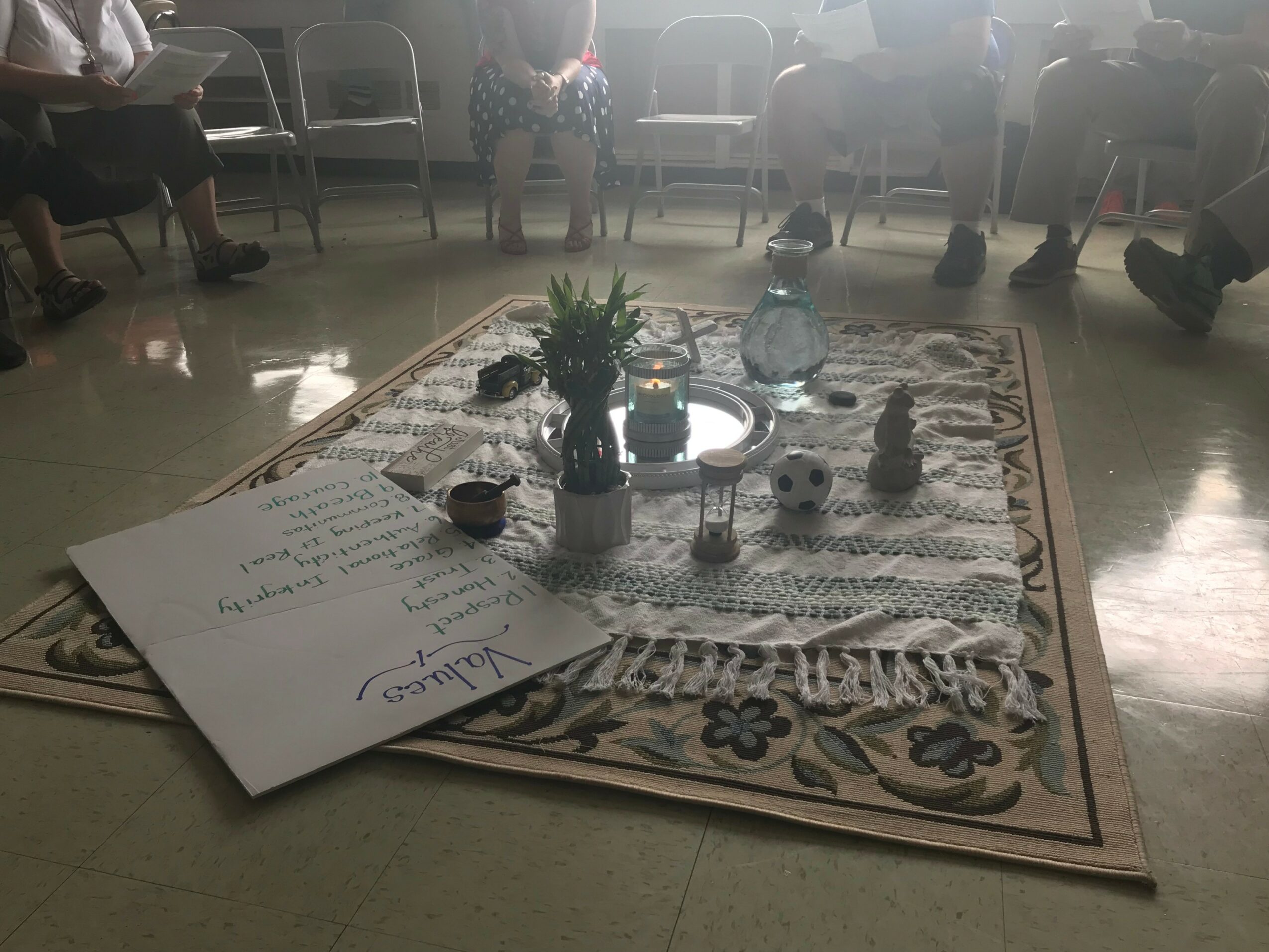
Our RJD initiatives provide an unparalleled social support system for people who have caused and people who have been impacted by criminal harm and violence. When a person causes criminal harm to another, instead of sending those people further into the criminal-legal or children’s service system, Raphah Institute works with both parties to address the harm. For the person who has been harmed, we work to help them regain their sense of power, safety, and connectedness to their community. We help them identify what they need in the aftermath of the harm and support them in meeting those needs. For the person who has caused the harm, we help them learn to account for the harm by seeing the humanity of the person they harmed, acknowledging the harm they caused, taking responsibility for repairing the harm to the greatest extent possible, and transforming in such a way that they never cause that harm again. In this process, the parties frequently want to talk to one another. The person who has been harmed wants to tell the person who hurt them how their actions and choices impacted their life.
Sometimes, they want the person who hurt them not just to say they are sorry but to “do” I’m sorry somehow. They get to tell them what that is. The person who has caused the harm frequently wants to express their sorrow and regret and apologize to the person they harmed. They want to make it right and want to know how to do that. Our Restorative Justice Facilitators support these parties in this process, providing a social support system that reduces crime and helps people and neighborhoods to be safer following the violence.
With over 60 young people completing the RJ process, only one has been convicted of a new crime. At present, we are expanding this initiative into Memphis, TN.
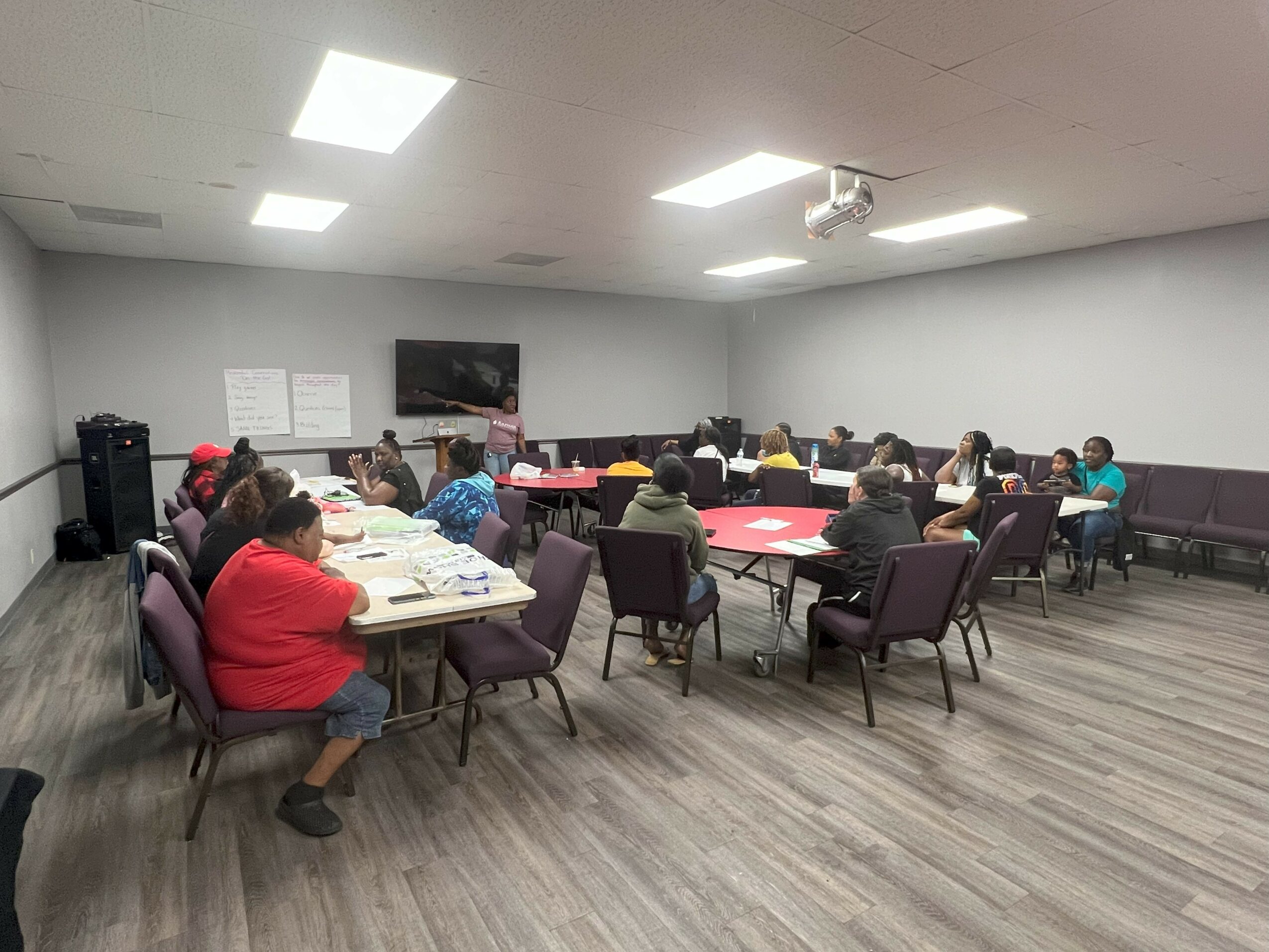
Early Embrace: Our Early Embrace initiative works with caregivers, both early childhood educators and parents, of children in families at or less than 200% of the national poverty line. This initiative helps increase access to early childhood education by supporting women who want to start an early childhood education business in their homes. We provide five vital resources:
Business Coaching
Educational Coaching
Licensure Coaching
Start-up/Enhancement Grants
Basic Income Support
This initiative serves parents from the same poor communities by helping them access the abovementioned resources: healthcare, education, social support, money, and healthy housing.
Are there any apps, books, podcasts, blogs, or other resources you think our readers should check out?
Podcast: Andy Stanley Leadership Book: Trying Hard is Not Good Enough by Mark Friedman.
App: Motion.