





Today we’d like to introduce you to Catherine Taylor.
Hi Catherine, so excited to have you with us today. What can you tell us about your story?
My name is Catherine Taylor and I’m a Licensed Marriage and Family Therapist (LMFT) and an Addictions Specialist (LCAS). I’ve worked in the mental health field for 9 years, and have owned my private therapy practice for 5 years. Couples and families are my specialty, including those impacted by addiction.
I’ve always been fascinated with human behavior and why people do what they do. The origin stories behind how people become who they are profoundly interests me. The totality of the human experience from resilience to pathology, growth to regression, and hope to despair intrigues me. We’re all made up of so many parts; parts we like about ourselves and parts we dislike. Acknowledging and integrating all of our parts is key to achieving peace and wholeness in our lives. So, I somewhat intentionally, somewhat subconsciously decided to immerse myself in these complicated, emotional, existential processes by becoming a therapist. It’s been my life’s calling and I’m glad I listened to it. It’s brought much therapeutic healing to myself and my clients over the last 9 years. My soul is so grateful for the opportunity to connect with people and hear their stories. Learning how our internal landscapes impact our cognition and physical body has benefited my own healing journey.
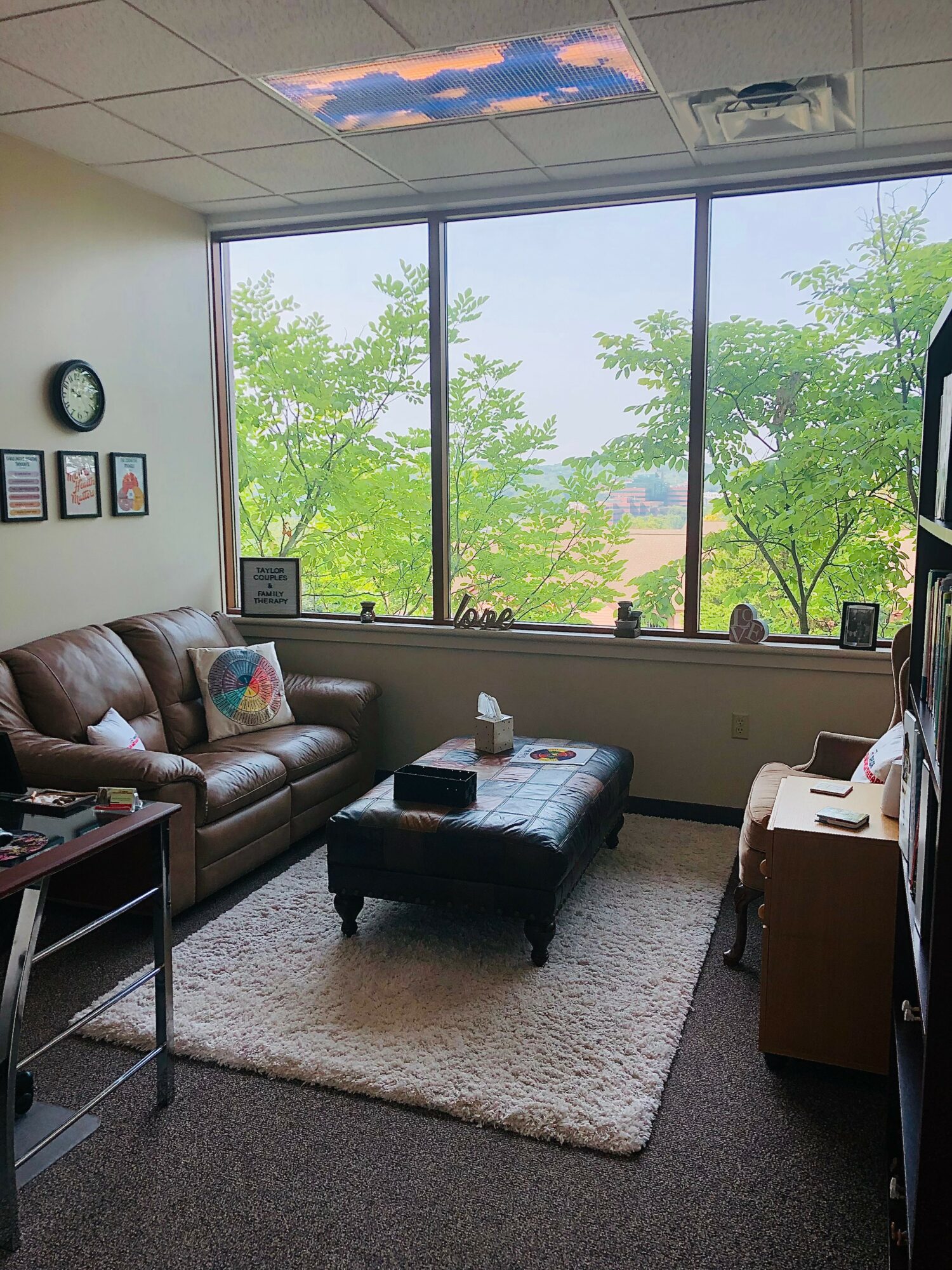
I received a Bachelor’s Degree in Psychology from East Carolina University, specializing in Child Development and Family Relations. I later received a Master’s Degree in Marriage and Family Therapy (MFT) from Appalachian State University, specializing in Addiction Counseling. It’s been a long road to get here, including a lot of personal and professional growth. I’m now a Licensed Marriage and Family Therapist (LMFT) and a Licensed Clinical Addictions Specialist (LCAS). I’ve been working as a therapist since 2016. I started my own therapy practice in 2020 called, “Taylor Couples and Family Therapy.” I work with individuals, couples, and families within a trauma-informed, relational context. Couples and families are my specialty, including those impacted by addiction.
I love working in Music City. It’s been a dream come true. Some of my clients are prominent in the music and entertainment industry, so I get to hear some interesting stories. I love it! I work with some famous musicians, professional athletes, songwriters and producers, distinguished physicians, and well-known figures in the political scene.
Through these experiences I’ve learned how fame, popularity, touring, and performing in the public eye effects a person’s psyche and intimate relationships. This level of notoriety adds complex layers to marriage, parenting, friendships, and other family relationships. Substance abuse and addiction recovery challenges become more nuanced too. It’s fulfilling to help my clients wade through these difficult waters, in the midst of publicity. There’s never a dull moment; always something left to uncover. The stories I hear are fun, wild, saddening, inspirational, and full of depth and meaning. There’s always something new to discover, within a client’s inner-world or my own, which keeps my career fascinating and transformative for everyone involved.
Country musicians write about love, heartache, and sometimes using substances to numb emotional pain. I enjoy exploring, processing, and psycho-analyzing song lyrics with clients when they profess to “not know what they’re feeling” or “don’t know how to put their feelings into words.” Oftentimes their evocative, emotional lyrics reveal otherwise. Many artists and creatives use music to express themselves, but have a hard time directly communicating their feelings to the ones they love most. I’ve seen firsthand that no matter how famous you are, no one is exempt from having human flaws, and no couple is immune to making mistakes. The struggles of being human weigh on us all. Our shared humanity teaches us that we all need connection, which I believe good therapy can provide. For the large majority, we’re all doing the best we can with what we’ve been given; even if we fall short sometimes.
Would you say it’s been a smooth road, and if not what are some of the biggest challenges you’ve faced along the way?
It definitely hasn’t been a smooth road. But it’s been a beautiful, transformative experience in a lot of ways. Especially over the last year, I’ve overcome some substantial relational traumas and hardships. I’m immensely proud of the amount and depth of therapeutic work I’ve done within myself over the last 10 years. My own healing journey has been paramount in my success with clients. Self-discovery and getting in touch with my emotional wounds has given me the compassion and peace I aim to share with my clients.
My own experiences in individual and couples therapy, family and intimate partner trauma, self-help reading and research, higher Truth seeking and spiritual expansion, advanced education, lived experience with people I love suffering from denial, co-dependence and addiction, and a few dark nights of the soul have all contributed to my personal development as a therapist. I’m proud of who I am today and who I’m still becoming.
As you know, we’re big fans of Taylor Couples and Family Therapy. For our readers who might not be as familiar what can you tell them about the brand?
What sets me apart from other therapists is my lived experience behind the therapeutic techniques I teach clients. A lot of therapists are knowledgeable and intellectually advanced in their craft, but haven’t had the lived emotional experiences necessary to implement therapeutic interventions in the most effective, authentic way with clients. In other words, they haven’t done the level of deep, vulnerable, emotional work within themselves that they expect clients to do in-session with them. Clients can viscerally feel on multiple levels when their therapist hasn’t done their own emotional work; or when the client has done more internal work on themselves than the therapist in front of them has. If the client is more emotionally differentiated than the therapist, the relationship will dissolve and treatment won’t be as healing. Higher education and advanced degrees don’t always equate to true, transformative, emotional intelligence and availability. The sad truth is, many therapists haven’t done the emotional work on themselves that providing good therapy requires.
You have to uncover the depths and demons of your own story for others to benefit from your pain and life lessons in the healthiest way. The emotions surrounding couple dysfunction, family trauma and the multi-faceted struggles of addiction can’t be fully embraced through a textbook or lived experience alone. To be an exceptional therapist, I feel you must have undergone your own therapeutic process with a professional as well.
If your therapist has never been to therapy and worked through their personal and emotional intricacies, I’d be skeptical of their ability to help you navigate yours. That’d be like going to a dentist who’s never been to the dentist. I wouldn’t expect a client to take my clinical recommendations or trust a technique I teach them, if I wasn’t willing to use the technique or advice. If I’d never seen a therapist and done my emotional work within the context of my own life and family, how could I expect clients to see a therapist and do this level of emotional work? I’m all about practicing what you preach and being as vulnerable in your own life as you expect others to be in theirs. I always try to be the change I want to see in my clients, and the world at large.
We experience ourselves differently than others experience us. An objective person who’s done their healing work, can teach us so much about ourselves and what we have left to heal inside. Recognizing projections and transference is essential to maintaining good therapeutic relationships. I’ve worked hard to make the subconscious parts of my psyche and internal world conscious. I feel that mastering this ever-evolving skill within myself, and being able to be present with my own emotional world sets me apart from other therapists.
Pricing for Services:
$160 per 1-hour couples or family session
$130 per 1-hour individual session
To help narrow down what I do, here are the most essential skills I teach couples and families to help them sustain healthy relationships.
1.) Accepting each other’s influence: Allowing yourself to be influenced by your partner. The ability to not lose your Self within the context of a relationship, while also allowing yourself to compromise and be influenced by your partner. This helps couples avoid power struggles and rigid thinking. Compromise and accepting influence are essential for developing a marital friendship. Strengthening the friendship with your spouse promotes marital longevity and satisfaction.
2.) Utilizing emotion regulation skills: Being able to de-escalate your own heightened states of arousal, especially in the midst of your spouse being emotionally triggered and reactive, is a super power. The capacity to pause and create a safe space between trigger and response is crucial. Giving your nervous system time to slow down from its state of perceived crisis is key. This allows you to respond instead of react to your partner in times of conflict.
3.) Developing emotional intelligence: Emotions are the language of love. You must be willing and able to speak this language with your spouse. Being able to identify and name the feelings you’re experiencing to your partner expands communication, empathy and understanding for each other in moments of distress. If you don’t know what you’re feeling or what you need for soothing in a situation, your partner will have difficulty being an emotional support for you in the way you need them to be.
4.) Having successful conflict repair: This includes using verbal validation and active listening skills. The issue isn’t conflict itself. Conflict is where our personal growth and relational intimacy lies. It wouldn’t benefit us to get rid of conflict completely. What matters most is the ability to repair things when they go wrong. It’s the willingness to make repair attempts that makes the difference. The courage and emotional risk it takes to wade through the messy middle of disagreements and misunderstandings can be powerfully transformational.
5.) Avoiding “mind-reading” each other: Focus on identifying and communicating your emotions directly and clearly, instead of trying to “mind-read”, assume, or assign meaning to what your partner is doing and feeling. Wording complaints to each other as “I-statements” instead of “you-statements” helps each person express their own feelings about a situation, instead of taking the other person’s emotional inventory.
6.) Taking accountability for your part: This doesn’t mean blaming yourself for a conflict or over-owning your part in a conflict. Partners must be non-defensive and empathic listeners, even when they feel their spouse is not being those things. This is clearly easier said than done. But you can’t control another person’s behavior; you can only control your response to it. This is self-accountability in the midst of marital discord. Compassion and grace for the other can be practiced here, while also honoring your boundaries and doing what you need to take care of yourself without letting another run over you. It’s a delicate balance. This is the dance of holding onto yourself, while simultaneously holding space for your partner in the darker moments.
Of course, you’re always entitled to remove yourself from a situation in which you feel emotionally or physically unsafe. Safety is the number one priority above all else. Without safety established, no constructive communication or true resolve can happen.
Above all else, I believe the number one cause of break-ups and divorce is chronic, emotional disconnection. Couples can absolutely overcome this, and learn healthy ways to reconnect and relate to each other. But no relationship can withstand constant emotional deprivation without dissolving or becoming extremely unfulfilling. Oftentimes, our grievances and dissatisfaction in relationships stems from a lack of emotional attunement. If your spouse isn’t giving you the emotional attunement that you need, and you’re not participating in communicating the emotional attunement that you need, you can feel emotionally starved. Completed tasks and changed behaviors are wonderful, but they won’t satiate a marriage that lacks consistent emotional presence. Emotional wounds require emotional healing; not external or cognitive ones.
When committed relationships lack deep, emotional resonance with our partner, we can feel the heavy, visceral loneliness of it. It feels incomplete, not whole, like something’s missing; because there is something missing. A very big something. We’re not feeling seen, heard, or understood by the most important person in our life. That’s painful; just about as painful as it gets. Each partner must be present in their own emotional body, and be able to share important parts of their inner-world with each other. You must be able to directly and calmly tell your partner when something they’re doing is hurting you, while also being the safe space your partner can come to and tell you when something you’re doing is hurting them. Be present and able to sit with your own feelings, while holding a safe space for your partner to do the same. This is how you heal together and increase intimacy in relationships. It’s a beautiful, joint discovery process.
The crux of why couples struggle to maintain consistent, satisfying emotional connection goes deeper than you might think. When you excavate this issue down to its core, the cause is the dysfunctional patterns of emotional expression we witnessed in the family we grew-up in. People resist addressing this, because it feels so uncomfortable. But it feels so uneasy to talk about because that’s where our true healing lies; within the stories and experiences of our youngest, most vulnerable, impressionable selves. This is where our deepest relational and attachment wounds originate from. It’s not a popular topic of discussion because it’s emotionally evocative, and stirs-up difficult feelings in us.
We were taught how to parent by how we were parented. We were taught how to love and emotionally engage with our spouse by how our parents showed love and emotionally engaged with each other. We were taught how we deserve to be treated by our spouse during conflict by how our parents treated each other during conflict. You can’t change what you’re unwilling to see. In my experience personally and professionally, a resistance to revisit childhood wounds and past dysfunctional family dynamics, is signaling to you that something internal needs healing. I encourage people to lean into this cue instead of away from it. Secrecy and avoidance keeps you stuck. Truth and vulnerability help you heal.
It’s undeniable that the family we grew-up in significantly impacts how we tolerate, regulate and connect with our own emotions, and other people’s emotions in our current relationships. How we saw the people we grew-up with manage their heightened emotional states effects how we engage (or disengage) with emotions in relationships now. This fact is not meant to blame parents for their adult children’s emotional dysregulation. It’s an explanation of cause and effect, most of which is highly subconscious and unintentional. It’s meant to provide a framework to heal from. When we’re honest with ourselves about the realistic human flaws and mistakes our caregivers made with us as children, it allows space for true, lasting healing to happen. The subconscious has to be made conscious for personal growth and change to occur. We must be disillusioned about our past and who the people who raised us actually were, in order to become unconditioned from our automatic behaviors and emotional responses.
We can heal these wounds in a therapeutic, trauma-informed setting with a blend of couples therapy sessions complimented by individual therapy sessions as needed. By helping couples identify and process these transgenerational patterns of emotional expression, they’re able to see what emotional coping styles they default to in their relationships. The parts of their habitual cycle that they don’t want to carry forward into their current relationship, we work on decreasing in real time through practice and enactments in-session. Understanding what’s driving our reactivity helps us better navigate our emotional coping cycles in relationships.
What’s next?
I’m working on creating my own therapy podcast with guidance from my friend, David Hooper at Sirius XM radio. He’s been a support for me over the last year, helping to grow my therapy business and public exposure in the Nashville community.
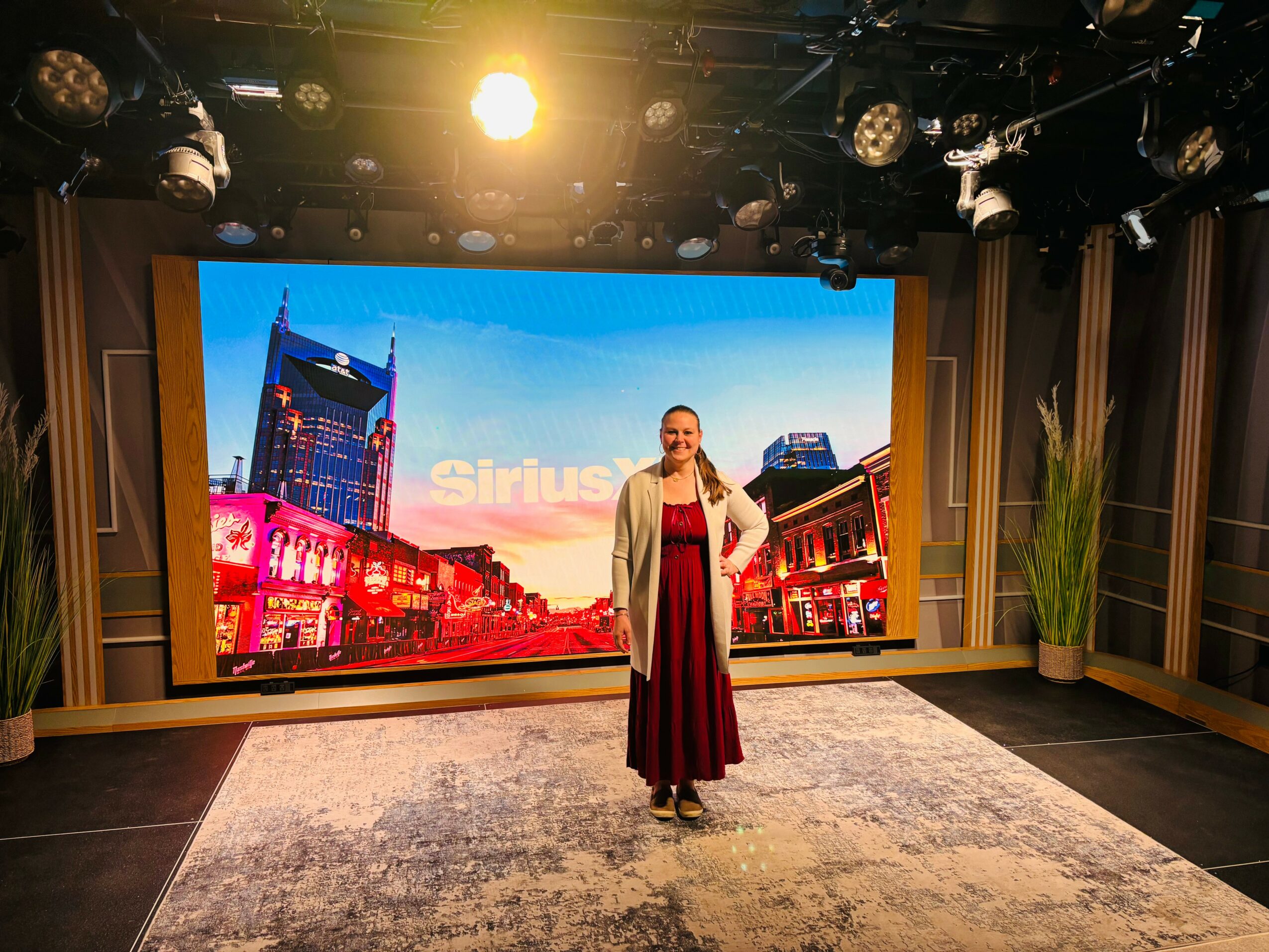
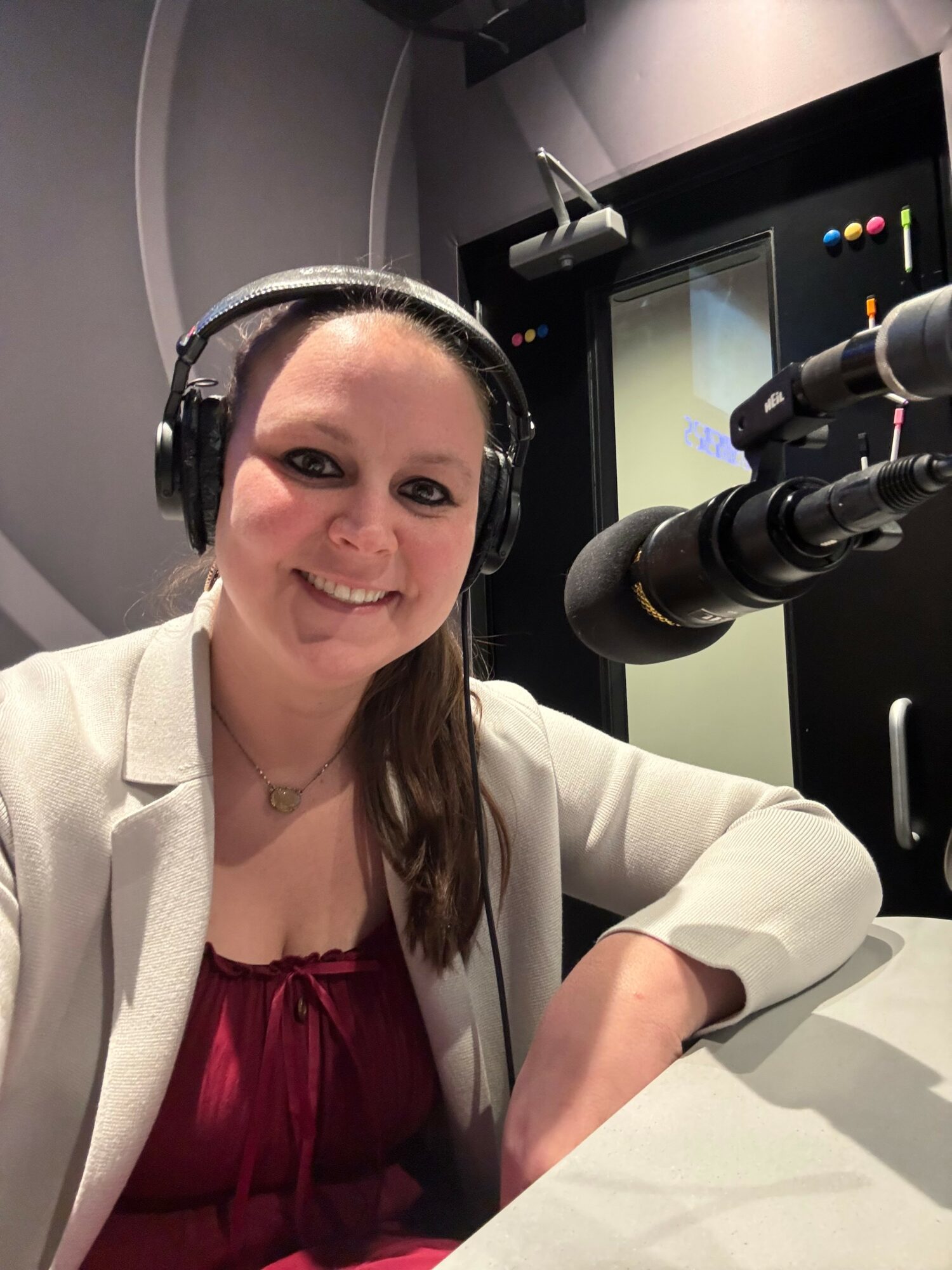
I recently went On Air at Sirius XM radio with host, Tim Ridley (The Tim Ridley Show) and co-host, David Hooper (Big Podcast). The episode, “Navigating Relationships on the Road” was a holiday special for Road Dog Trucking. Getting to record at the iconic AT&T building was an amazing experience! The Bat Tower is my favorite part of Music City’s skyline. Recording at the Sirius XM studio was incredible!
My responses were also featured in an article on CalmingIdea.com as part of their Experts Series, titled: “How to Develop Relationship Skills in Marriage.” They are an online platform dedicated to emotional wellness, mindful living, and personal growth through expert-driven conversations.
Pricing:
- $160 per 1-hour couples/family session
- $130 per 1-hour individual session
Contact Info:
- Website: https://www.nashville-therapists.com
- Instagram: @taylorcouplesandfamilytherapy
- Facebook: taylorcouplesandfamilytherapy