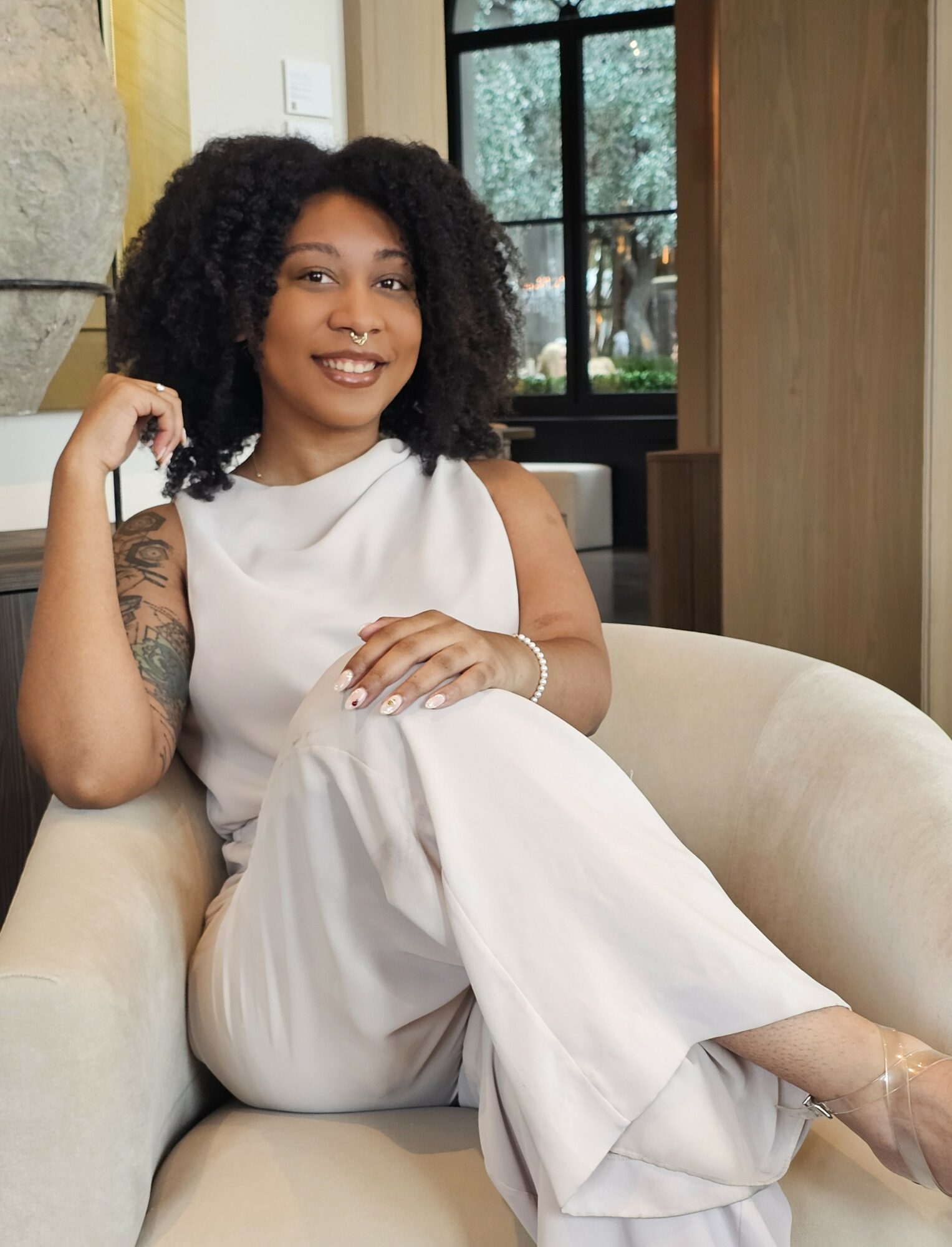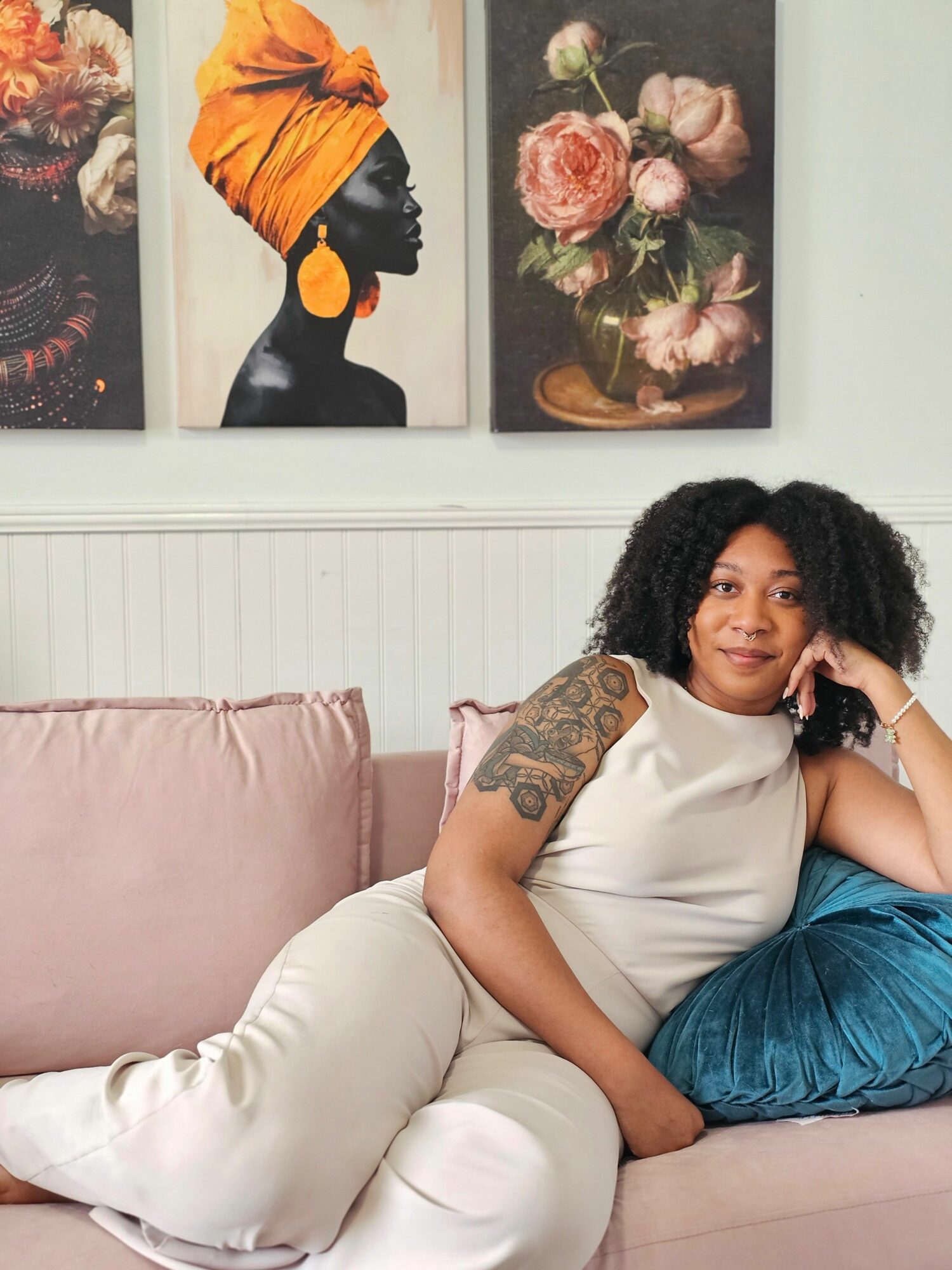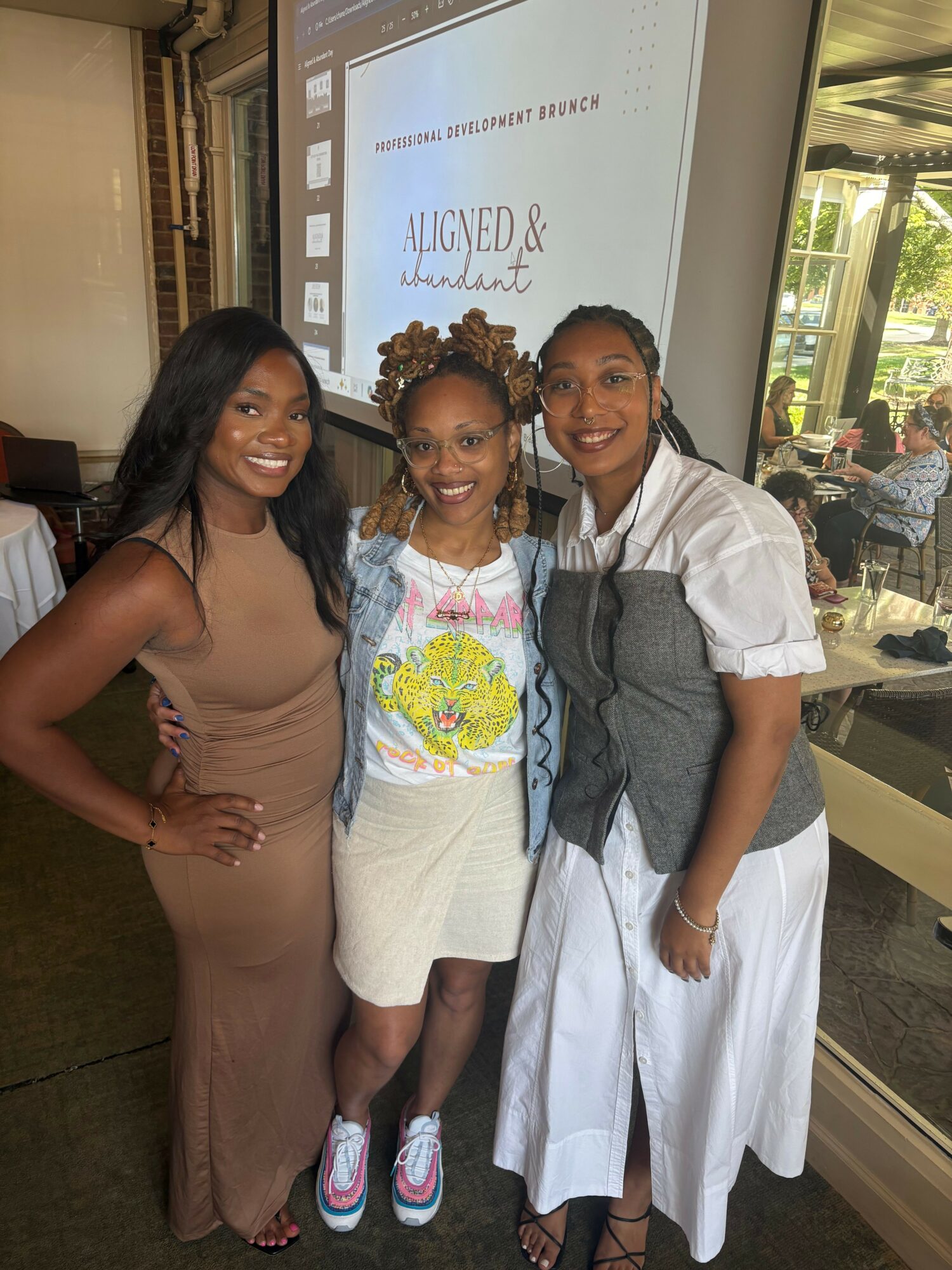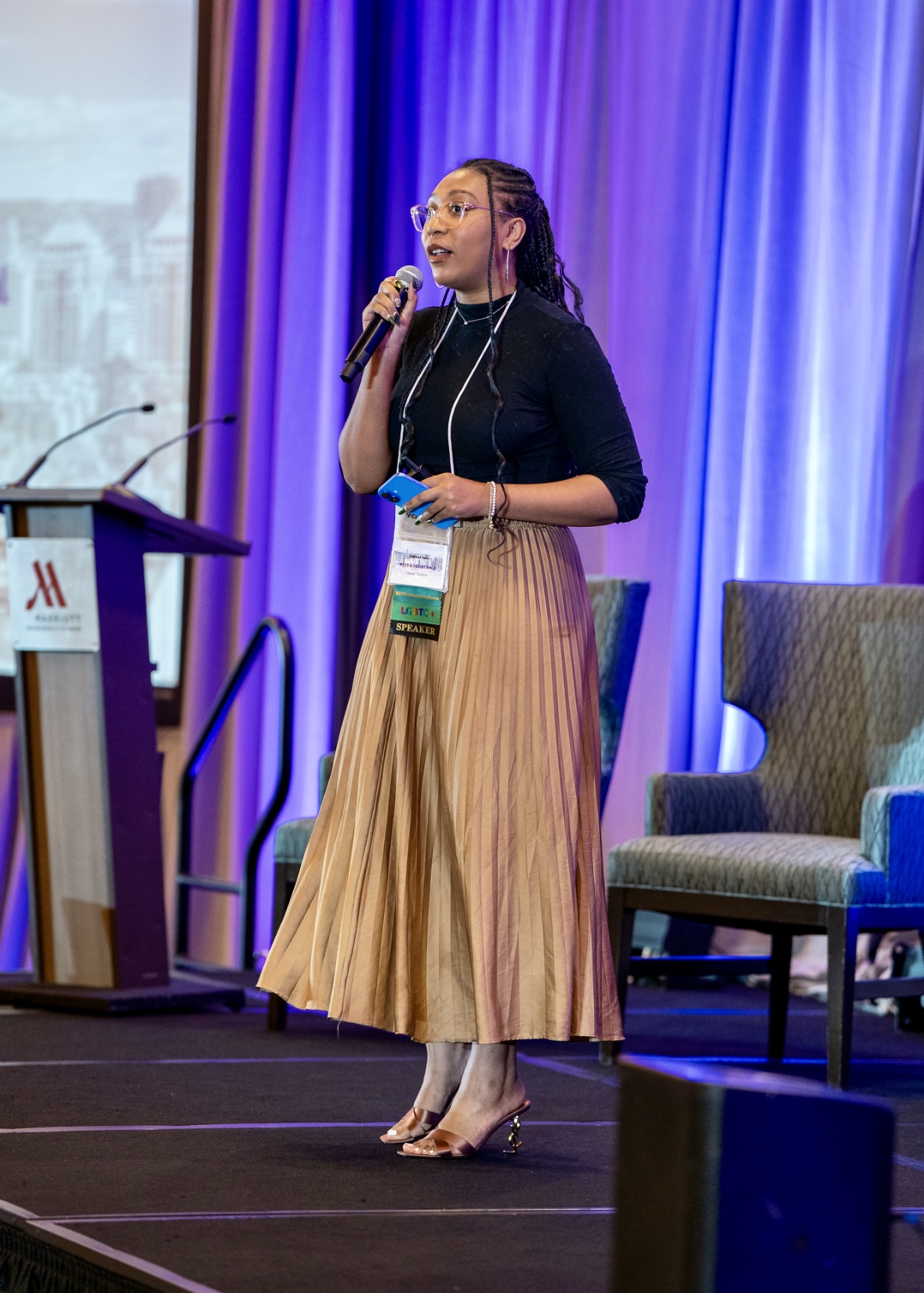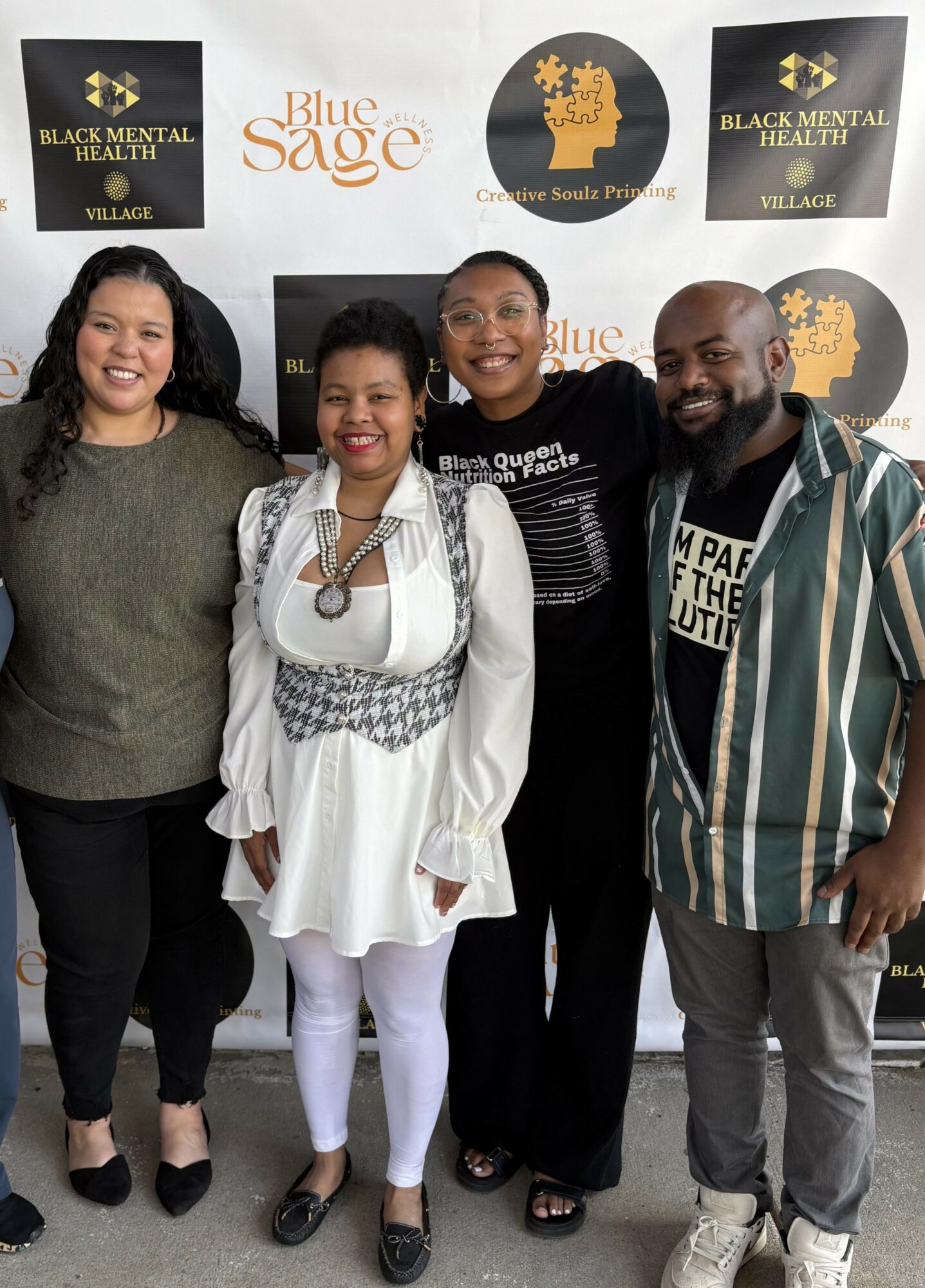






Today we’d like to introduce you to Chanel Thomas.
Hi Chanel, so excited to have you with us today. What can you tell us about your story?
My journey to founding Blue Sage Wellness was not something I mapped out from the beginning. It grew slowly, shaped by my experiences, my questions, and a lot of reflection about what kind of care I wished existed, both for patients and for providers.
Growing up as a Black queer person, I became aware early on that healthcare did not always feel safe or trustworthy. In my family, mental health struggles were present, but they were not always named or prioritized. Care was often something you sought only when things felt unmanageable, and even then, it came with hesitation. That hesitation was shaped by lived experience, by stories passed down, and by a broader history that made trust in medical systems complicated.
I saw what happened when mental health concerns went untreated or minimized. I also saw how much strength people carried quietly, often without support. Those observations stayed with me long before I had the language to fully understand them.
When I entered healthcare, I was drawn to the mind and body connection and to psychiatry in particular. I initially worked as a psychiatric nurse in the inpatient hospital setting, then transitioned to being a family nurse practitioner in the community setting, and completed by terminal degree in nursing as a psychiatric nurse practitioner. During my training and early clinical work, I saw how fragmented mental health care could be. Appointments were short. Waitlists were long. Providers were stretched thin. Patients were expected to fit into systems that did not always make room for complexity, context, or humanity.
As I continued my education and specialized in psychiatry, I gained confidence in my clinical skills, but I also became increasingly aware of how unsustainable many care models were. I watched colleagues burn out. I saw patients lose continuity when providers left. I kept asking myself what it would look like to build something different.
Blue Sage Wellness grew out of that question.
I started the practice in Nashville with a simple but meaningful goal. I wanted to create a space where psychiatric care could be thoughtful, evidence based, and steady without rushing people through or losing sight of the whole person. I wanted care that allowed time for listening, follow up, and real therapeutic relationships. I also wanted a practice where clinicians felt supported rather than depleted.
Becoming a business owner was not something I initially envisioned for myself. Along the way, I found myself learning how to navigate leadership, operations, and decision making, often through trial, error, and a lot of humility. Balancing clinical work with running a practice has not always been easy, and there were moments when I questioned whether I was doing too much. Each challenge clarified why this work mattered to me.
Today, Blue Sage Wellness is a growing psychiatric practice serving individuals across Tennessee through in person and virtual care. We are a small team, but we are intentional about what we offer and how we show up. One of the things I am most proud of is retaining clinicians who care deeply about their patients and about doing this work well over the long term.
Mentorship has also become an important part of my journey. Supporting other psychiatric providers, especially those navigating early career decisions or considering private practice, feels like a natural extension of the work. I believe that when clinicians are supported, patients ultimately benefit too.
Looking back, I do not see Blue Sage Wellness as a single achievement, but as an ongoing process. It is the result of lived experience, careful choices, and a willingness to grow alongside the work. I am grateful for the opportunity to keep building something that feels aligned with both my values and the needs of the people we serve.
Would you say it’s been a smooth road, and if not what are some of the biggest challenges you’ve faced along the way?
As a Black queer business owner, visibility itself came with challenges. There were times when I felt the need to work harder to be taken seriously, to prove legitimacy, or to navigate spaces where I was clearly not the default. That experience influenced how intentionally I approached leadership, hiring, and the culture I wanted to build within Blue Sage Wellness.
There were also practical challenges that come with entrepreneurship. Managing cash flow, making decisions without guarantees, and learning when to ask for help were all ongoing lessons. I had to unlearn the idea that doing everything myself was a strength and instead build systems and support that allowed the practice to grow in a healthy way.
What I learned through all of this is that challenges are not just obstacles, they are information. Each struggle clarified what mattered to me and helped shape the kind of practice I wanted to lead. Looking back, those moments of uncertainty were often the same moments that pushed me to grow the most.
Alright, so let’s switch gears a bit and talk business. What should we know?
Blue Sage Wellness is a Black, queer, and neurodivergent-owned psychiatric practice based in Nashville that focuses on providing thoughtful, consistent mental health care for adults across Tennessee through both in-person and virtual services. We prioritize serving our BIPOC and queer/trans folks here by curating a space that is affirming and values aligned. We offer psychiatric evaluations, medication management, integrative psychiatry and therapeutic support, with an emphasis on building long-term, trusting relationships rather than rushing care.
What we are known for is the way we approach psychiatry. We take time. Appointments are structured to allow for listening, follow-up, and clinical nuance. Mental health is rarely one-dimensional, and we approach treatment with that understanding. We specialize in working with mood disorders, anxiety, ADHD, trauma-related concerns, and complex presentations that often get oversimplified in traditional settings.
What sets Blue Sage Wellness apart is our commitment to sustainability, both for patients and for providers. From the beginning, I was intentional about creating a practice that could offer high-quality care without burning out the clinicians delivering it. That means realistic caseloads, continuity of care, and systems that support clinicians in doing their best work over time. I believe deeply that when providers are supported, patients receive better care.
I am especially proud of the culture we have built. Brand-wise, Blue Sage Wellness reflects calm, intention, and steadiness. It is not about trends or volume, but about reliability and trust. We show up consistently, we follow through, and we prioritize care that feels respectful and grounded. Retaining a dedicated team of psychiatric nurse practitioners who share these values is something I am particularly proud of.
Beyond clinical care, the practice is also connected to education and mentorship. Supporting other mental health professionals as they navigate their careers and consider sustainable ways to practice is an important part of our work. It feels aligned with the broader goal of strengthening mental health care from the inside out.
What I want readers to know most is that Blue Sage Wellness was built with intention. It exists because there is a real need for mental health care that is both clinically sound and deeply human. We are committed to growing thoughtfully, staying rooted in our values, and continuing to offer care that people can rely on over the long term.
Can you talk to us about how you think about risk?
Starting Blue Sage Wellness was my biggest risk. I stepped away from more predictable paths in healthcare to build something I believed in, without knowing exactly how it would unfold. Leaving the security of established systems to start a private practice meant taking on financial uncertainty, responsibility for others, and the possibility that it might not work. There was no clear roadmap, and many of the decisions I made early on were based on instinct, experience, and a lot of learning along the way.
Another risk was choosing to build slowly and intentionally rather than scaling as fast as possible. In a field that often rewards volume and speed, I made the decision to prioritize quality of care, sustainability, and clinician well-being, even when that meant slower growth or saying no to opportunities that didn’t align. That choice carried its own kind of risk, because it required trusting that consistency and integrity would pay off over time.
I also see risk in choosing visibility. As a Black queer woman leading a psychiatric practice, simply showing up as myself in professional spaces has required courage. There have been moments where I questioned how I would be perceived or whether I would be taken seriously. Choosing authenticity over blending in has been a risk, but one that has shaped the culture and clarity of my work.
When I think about risk now, I view it less as something to avoid and more as something to assess carefully. I ask myself whether a decision aligns with my values, whether I am prepared to live with the outcome, and whether it moves me closer to the kind of work and life I want to build. Risk, to me, is not about fearlessness. It’s about discernment, patience, and trusting yourself enough to move forward even when the path isn’t fully visible.
Contact Info:
- Website: https://bluesagewellnesspllc.com
- Instagram: @chanelpsychnp
- LinkedIn: https://www.linkedin.com/in/chanel-thomasdnp