




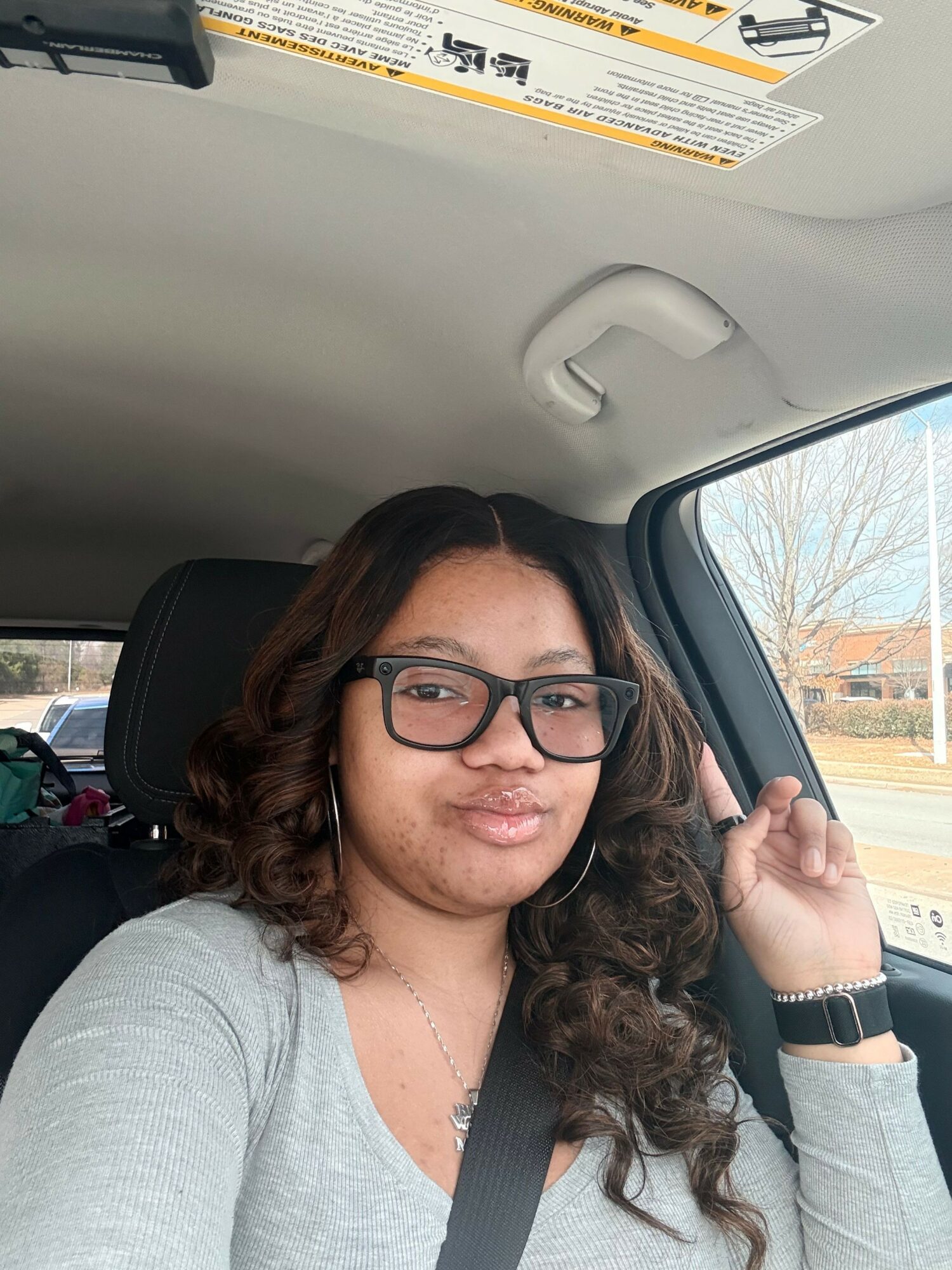
Today we’d like to introduce you to Chantelle Armstead.
Hi Chantelle, please kick things off for us with an introduction to yourself and your story.
It started with a deity that I was not supposed to know about.
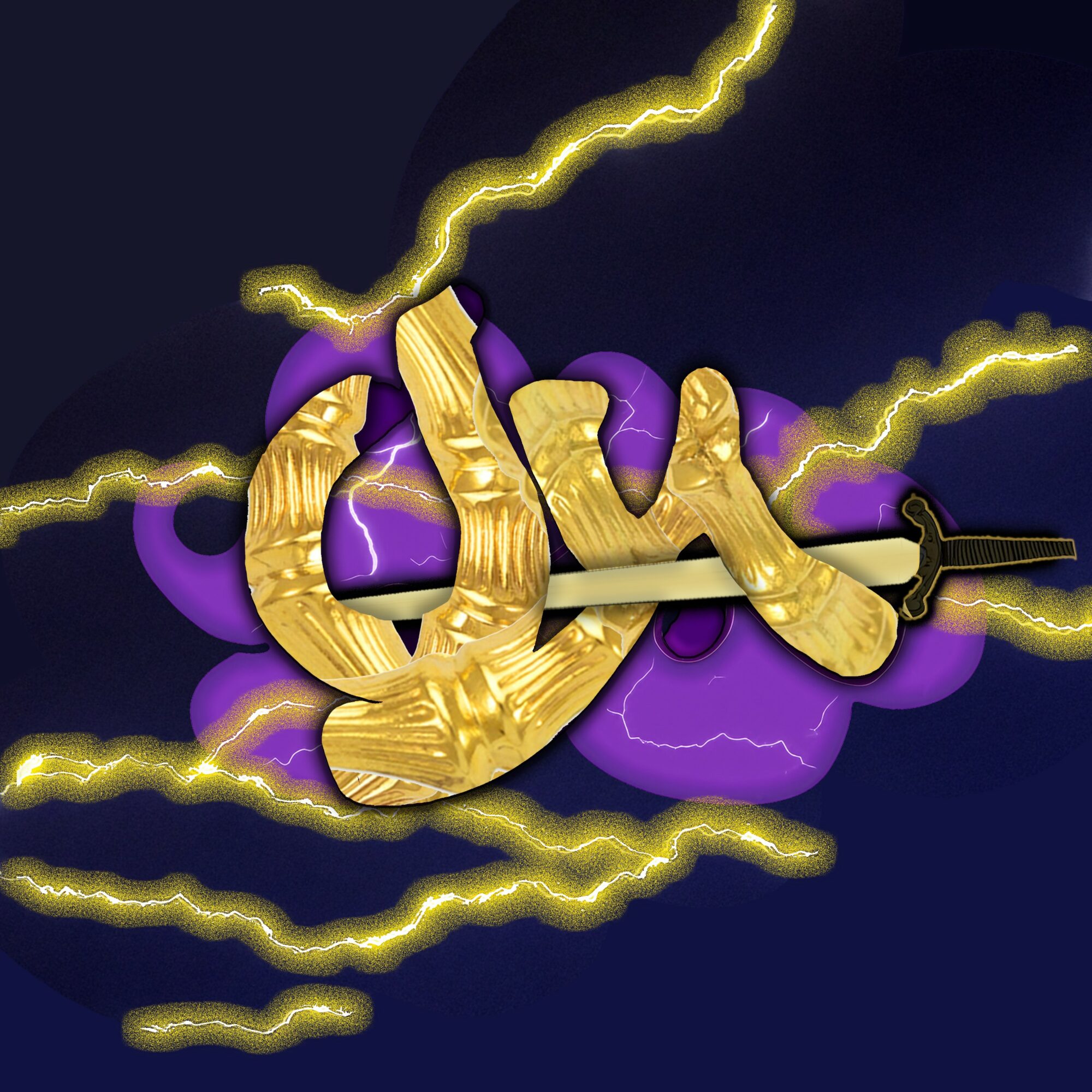
I was in an African Mythology class at the Illustrious NC A&T State University when I read about Oya, the Yoruba orisha of storms, transformation, and the marketplace. Nobody put me on to her. No algorithm. Just my HBCU doing what HBCUs have always done… making sure I knew where I came from, knew my history, my culture, the full story. Not the whitewashed version the world tried to hand me. She just found me. And I couldn’t shake her. That’s not coincidence. That’s calling.
A few years later I’m at NC State in an Arts Entrepreneurship class and something clicked. I’m looking at this industry, this very white, very male, very gatekept industry — and I’m seeing all of these companies doing one tiny piece of the puzzle while artists are out here drowning trying to stitch together five different relationships just to function. And then I look at North Carolina, a state that has fed the world in music and entertainment, and the industry is acting like we don’t exist. Like we’re not the source. They were sleeping on us. We decided to be the alarm clock.
Then COVID hit and the world told us to sit down. And I listened…for a minute. I stepped back from OYA, started doing the “be realistic” math that everybody does when the odds feel stacked. But here’s the thing about being a young Black woman in spaces that weren’t built for you: you already weren’t supposed to be there. Realistic was never really on the table for me anyway. That’s not a chip on my shoulder, that’s fuel in my tank.
About a year ago I stopped negotiating with that narrative. I went all in — not on what the industry said was possible, but on what I was put here to do. OYA Entertainment isn’t just a company. It’s a correction. A reclamation. Built by someone the industry didn’t see coming, for artists the industry forgot to count. Because Oya didn’t ask the storm for permission. And neither do we.
Would you say it’s been a smooth road, and if not what are some of the biggest challenges you’ve faced along the way?
It has not been an easy road. But nothing worth having ever is and I stopped expecting it to be.
One of the biggest battles I’ve had to fight isn’t with the industry. It’s with myself. Learning to trust my own instincts when there’s no blueprint, no mold, no one who’s done exactly what you’re trying to do in exactly the way you’re trying to do it. That’s the part they don’t put in the business courses. And when you’re a young Black woman walking into white, male dominated rooms pitching a vision this big…imposter syndrome doesn’t knock. It walks in with you, sits right next to you, and waits. You have to learn to show it the door anyway.
I’ve heard “this will never work” more times than I can count. “This is too big.” “The industry doesn’t function that way.” And my response to that is…exactly! The industry doesn’t function that way, and look at the mess that’s gotten us into. Artists underpaid, underserved, and underrepresented. Small and mid-size cities completely written off while the industry keeps funneling every creative with a dream toward the same three or four major markets telling them that’s the only way. Move to New York. Move to LA. Move to Nashville. And then what? Spend everything you have just trying to survive in a city where the cost of living will eat you alive before your career even gets a chance to breathe. That’s not opportunity. That’s a trap dressed up as advice.
The truth is, there is an entire ecosystem of talent sitting in cities that the industry has decided don’t matter. Artists who are rooted in their communities, building real audiences, creating real culture and being told it doesn’t count because it didn’t happen in the right zip code. OYA exists to change that math. You shouldn’t have to uproot your entire life and hemorrhage money just to be taken seriously.
But I’m in the driver’s seat now. And I’m not just comfortable there I’m excited. I’m grateful for every person who saw what I was building before it was fully built and chose to show up anyway. That kind of support doesn’t go unnoticed and it doesn’t go unreturned. Because at the end of the day, this isn’t just a company. It’s a correction. For artists, for creatives, for every community the industry has consistently looked past. That’s not work. That’s purpose. And purpose doesn’t have a clock-out time.
Appreciate you sharing that. What should we know about OYA Entertainment?
OYA Entertainment is a creative economy ecosystem and I want you to hold onto that word. Ecosystem. Because we are not just another entertainment company checking boxes and moving on.
We plant roots. In small and mid-size cities that the industry has written off, we come in and we build — artist management, music distribution, marketing, sync licensing, booking, events. The full picture. Not one piece of the puzzle but the whole thing, under one roof, working together the way it always should have been.
But here’s what makes OYA different. We don’t just stop at music. Music has never existed in isolation, it lives inside fashion, film, visual art, culture. It always has. So when we enter a city, we’re not just signing artists and calling it a day. We’re connecting those artists with local fashion designers who give them a visual identity while getting new audiences in return. We’re partnering with local production companies to make sure creatives are seeing equitable royalties on their work, not just exposure. Every relationship in the ecosystem feeds the next one. Every dollar we move stays as close to the community as possible. That’s not just good business, that’s intentional economics.
And the most beautiful part? Every city is different. That’s the whole point. We’re not coming in with a cookie cutter template trying to make Raleigh sound like LA or Charlotte sound like New York. We want Milwaukee rap to sound like Milwaukee. We want Boston’s songwriter scene, (which is quietly becoming something the industry won’t be able to ignore much longer) to be celebrated for being exactly what it is. When you build from the root up, the city develops its own sound, its own identity, its own brand. And when that happens at scale, the creatives in that city aren’t just making music. They’re building cultural economy.
Right now we are actively building in our first city, which we’ll be announcing soon and we are just getting started. The ecosystem is growing. And every city we enter, we intend to leave better than we found it.
Do you have recommendations for books, apps, blogs, etc?
There is one book that I come back to over and over again, “12 Notes on Life and Creativity” by Quincy Jones. It’s not a business book. It’s not a strategy guide. It’s a man who has touched nearly every corner of this industry sitting down and telling you the truth about what it actually takes. How music shaped his entire life and how at every major turning point, he just stepped out on faith. No guarantees. No map. Just belief in what he was called to do.
The first time I read it was the same moment I decided that OYA Entertainment was going to be everything I envisioned — not a scaled down, palatable, easier-to-pitch version of it. The full thing. And Quincy gave me permission to believe that. Because if one of the greatest to ever do it built his legacy on faith and vision, then I had no business shrinking mine. I closed that book and made a decision. Trust the calling. Trust the work. Trust yourself. I still go back to it. Probably always will.
Contact Info:
- Instagram: https://www.instagram.com/oyaentertainment?igsh=ZDA5c3VxeGRmZHJl
- LinkedIn: https://www.linkedin.com/company/oya-entertainment/