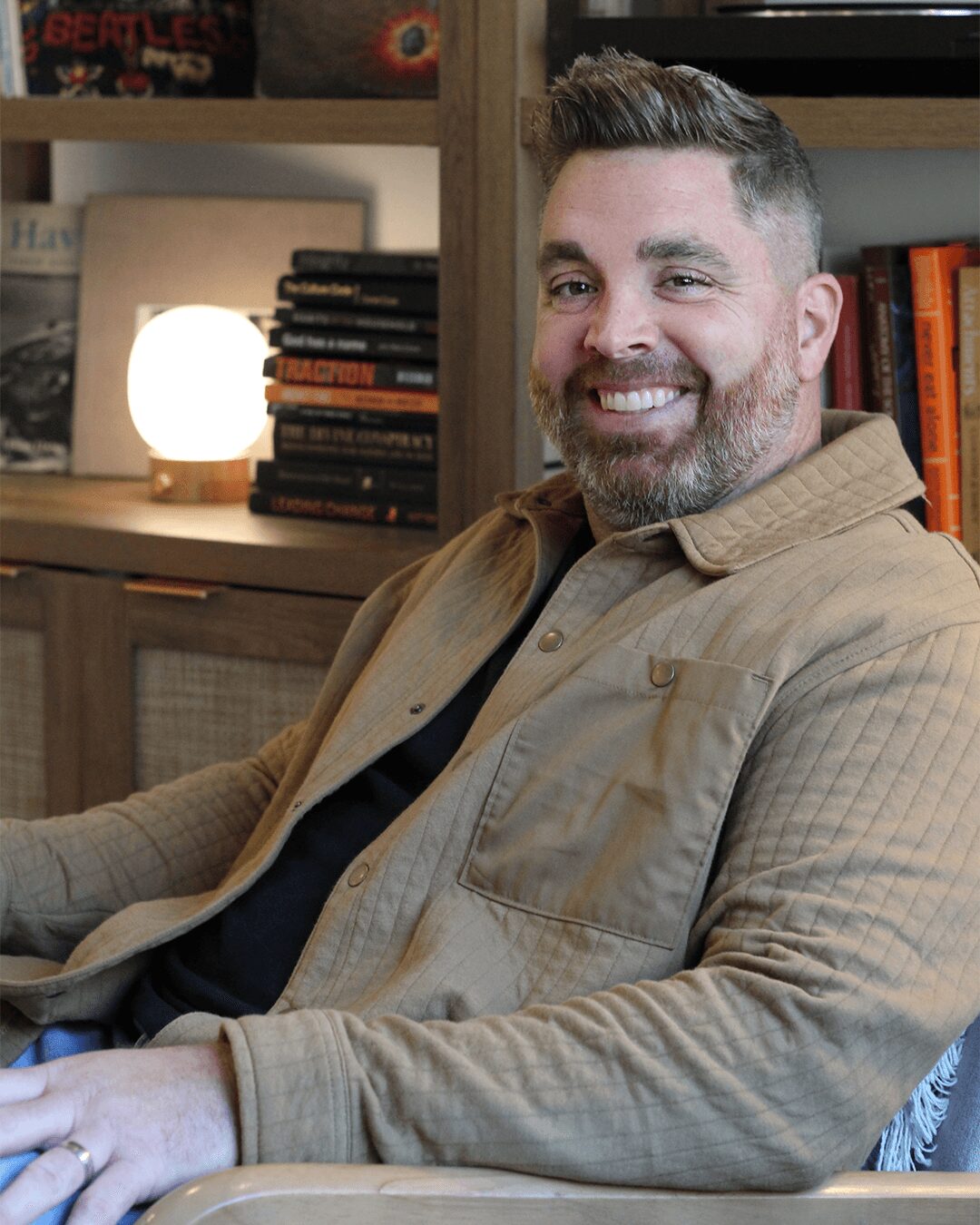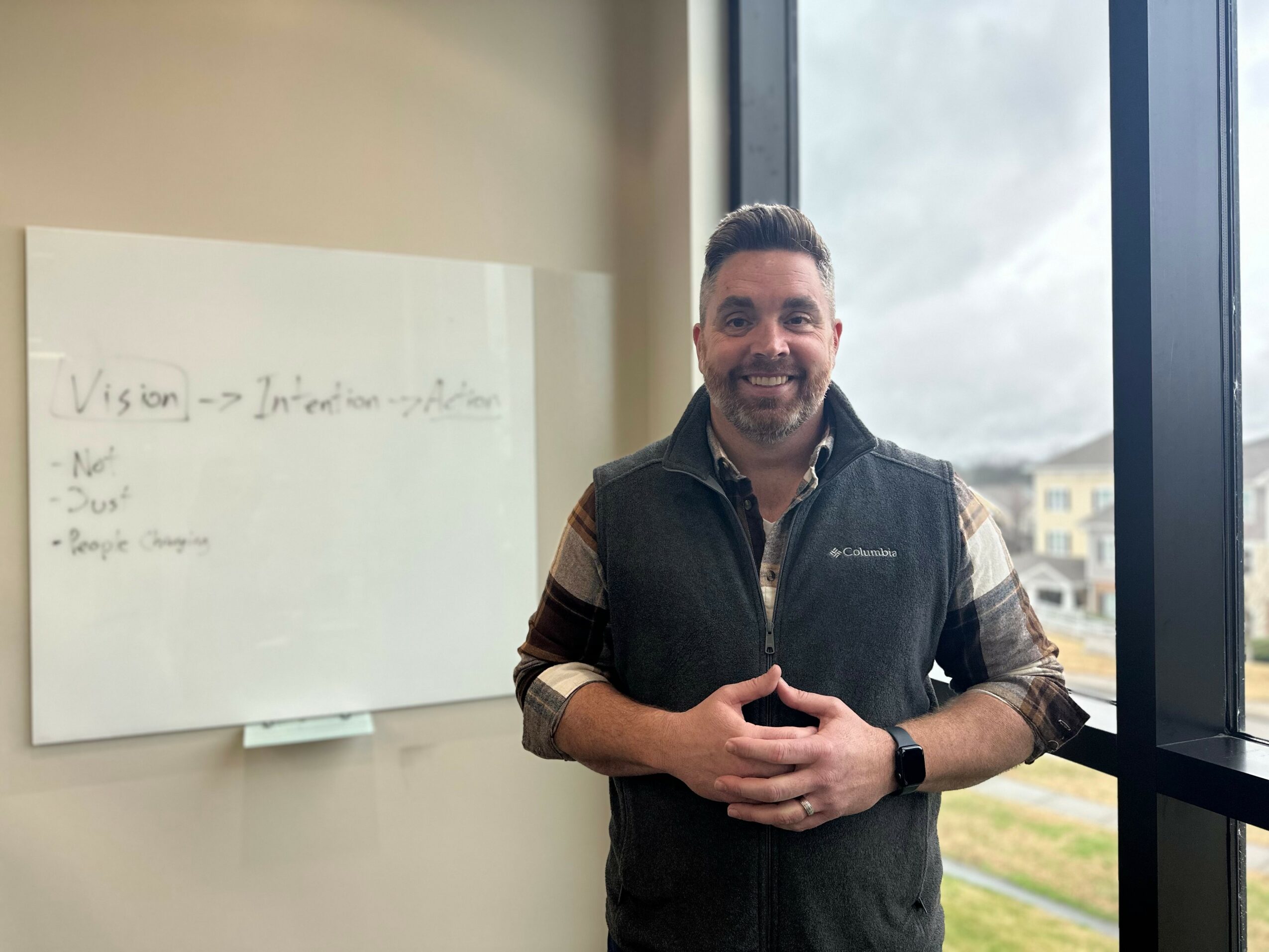





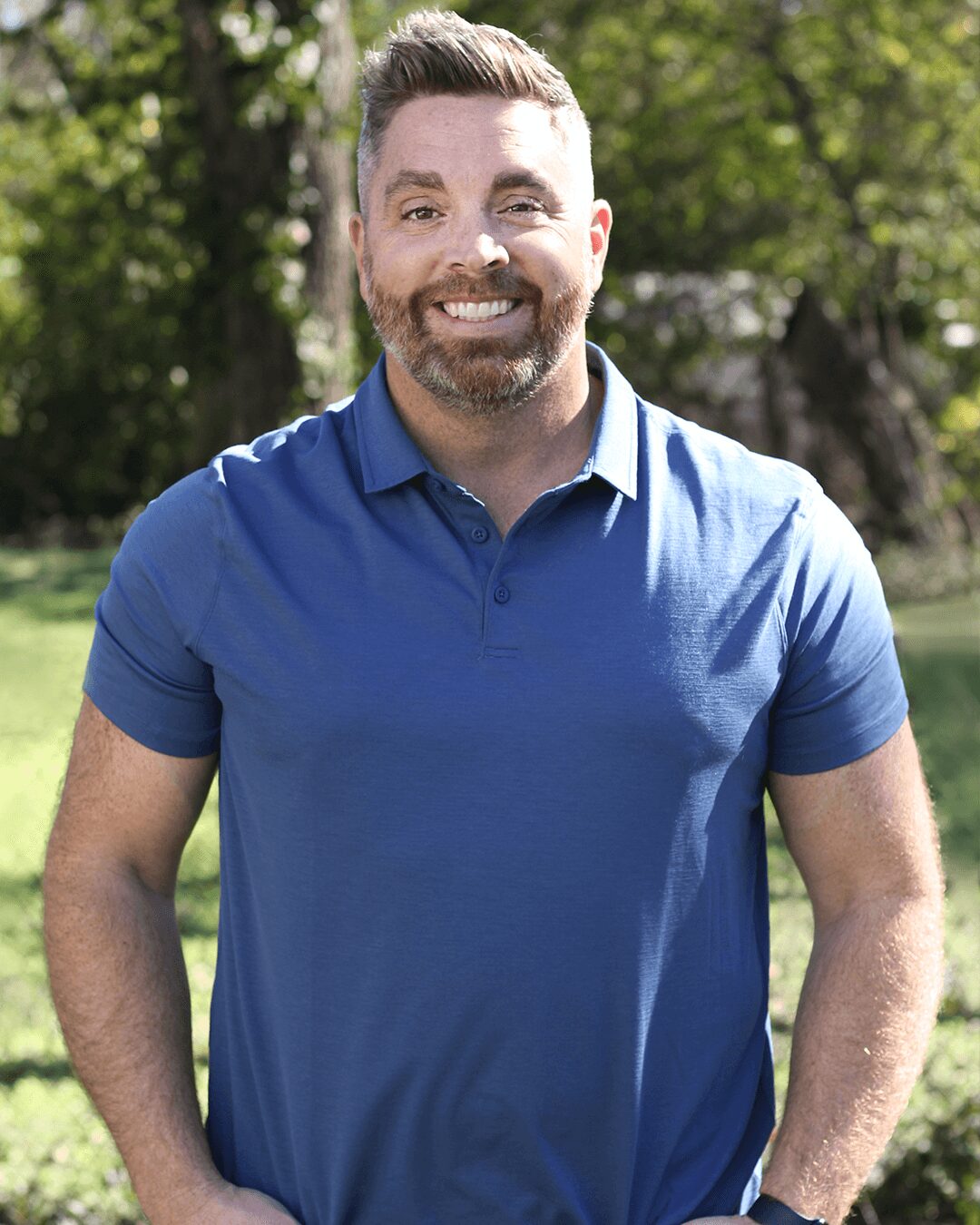
Today we’d like to introduce you to David Green.
Hi David, so excited to have you with us today. What can you tell us about your story?
I didn’t set out to do the work I’m doing now. I was actually working in construction during and after college, and fully expected that to be my long-term path. Around that same time, I started volunteering in student ministry at my church and found myself drawn to it in a way I didn’t expect.
After a few years, an opportunity came up to step onto staff as a student pastor. It was both exciting and honestly pretty unsettling—I had never planned on working in full-time ministry—but it felt like a door I was supposed to walk through. That decision turned into 13 years serving in the local church.
Over that time, I moved from student pastor to family pastor and eventually into the role of executive pastor. I genuinely loved the work I got to do at every stage. You’re walking with people through some of the hardest moments of their lives, which is both a privilege and something you learn to carry carefully.
Looking back, two parts of that season really shaped the work I do today.
The first was pastoral counseling. I spent years sitting with individuals, couples, and families, and learned how powerful it is to stay genuinely curious with people. Not rushing to fix, but creating space to understand what’s really going on underneath the surface. That posture—what I now call disciplined curiosity—became foundational for me.
The second was my time as an executive pastor. I oversaw the operations of the organization and led a staff of more than 50 people. That role gave me a front-row seat to how teams function—how alignment breaks down, how culture either strengthens or erodes an organization, and how leaders grow into (or struggle within) the responsibility they’ve been given.
I remember sitting with a staff member who was struggling in their role. On paper, it looked like a performance issue—things were slipping, communication was off, and the assumption was they just weren’t executing. But as we slowed the conversation down and started asking better questions, it became clear pretty quickly that it wasn’t a performance problem at all—it was a clarity problem. They didn’t actually know what success looked like in their role. Once we got clear on that, everything started to shift. That moment stuck with me because it reinforced how often we end up trying to solve the wrong problem.
That’s where the idea of coaching and consulting started to creep into my head. I found that I really loved helping leaders think clearly, take ownership, and navigate complexity.
In April of 2025, I stepped out of my role, took some time to rest and reset, and then began transitioning into executive coaching. What I do now is essentially a continuation of that work—helping leaders solve the problem underneath the problem so they can lead with more clarity, alignment, and confidence.
We all face challenges, but looking back would you describe it as a relatively smooth road?
It definitely hasn’t been a smooth road.
The season I spent in ministry was incredibly shaping for me, but it was also really hard. I look back on that time as a season where a lot of my rough edges got exposed. There were things in me—pride, control, the need to have the right answer—that I had to come face to face with. And most of that didn’t happen in theory, it happened in real situations with real people, where the stakes actually mattered.
One of the clearer examples for me was realizing early on that I was actually pretty unapproachable. People were intimidated by me, which doesn’t work well when you’re a pastor. I had to start paying attention to how I was showing up—how I was communicating, how I was carrying myself—and do the work to understand why people experienced me that way. That was a turning point for me and started a longer process of learning how to show up differently.
There were a lot of challenges in that season. Walking with people through difficult moments, carrying responsibility for a team and an organization, and navigating the complexity that comes with both—it has a way of refining you whether you want it to or not. I came to see those moments less as interruptions and more as part of the process of becoming who I needed to be.
More recently, stepping into something new has brought a different kind of challenge. Starting over in some ways, even with a lot of experience behind you, is unsettling. There’s just a level of unknown that you can’t eliminate—you have to learn to operate inside of it.
I’ve had to wrestle with a lot of internal questions along the way. Am I good enough to do this? Will this actually work? What does success even look like in this season? Those questions don’t just go away, but I’ve learned how to stay grounded and keep moving forward anyway.
Great, so let’s talk business. Can you tell our readers more about what you do and what you think sets you apart from others?
I work as an executive coach, primarily with founders, CEOs, and senior leaders who are carrying a lot of responsibility and trying to navigate complexity in their business or organization.
Most of the people I work with are extremely smart and capable, but they’re still stuck. Things feel harder than they should, decisions take more energy than they used to, or there’s a sense that something is off but it’s hard to put your finger on what it is.
The core of the work is helping leaders slow down enough to actually see what’s going on. I often say I help people solve the problem underneath the problem. A lot of time gets wasted solving surface-level issues, when the real friction is coming from something deeper—lack of clarity, misalignment, or a role that’s out of sync with what the organization actually needs right now.
That’s where I tend to spend most of my time. Asking better questions, helping leaders think more clearly, and working with them to put simple, practical structure in place so things start to move again.
I think what sets my work apart is that it sits at the intersection of people and operations. I’ve spent a lot of time in both worlds—walking with individuals through personal challenges and leading a fairly complex organization—so I’m not just thinking about mindset or strategy in isolation. I’m paying attention to how decisions actually play out inside a team, how culture is shaped over time, and where things tend to break down in real life.
Brand-wise, one of the things I really like about the work is its simplicity. I’m not trying to add more noise or more tools. Most of the time, we’re removing things—unnecessary complexity, unclear expectations, misdiagnosed problems—so leaders can focus on what actually matters.
At the end of the day, the goal is pretty straightforward: help leaders gain clarity so they can lead with more confidence and build something that actually works.
What matters most to you? Why?
What matters most to me is my relationship with God and my relationship with my family. Everything else flows from that. Those are the two things that ground me, shape how I make decisions, and ultimately define what success actually looks like for me.
Pricing:
- • Executive coaching is structured as a minimum 3-month engagement
- • Weekly 60-minute sessions
- • I also work with teams and organizations through workshops and advisory work
Contact Info:
- Website: https://www.davidgreen.coach
- LinkedIn: https://www.linkedin.com/in/david-p-green/