



Today we’d like to introduce you to Gabby Shepherd.
Alright, so thank you so much for sharing your story and insight with our readers. To kick things off, can you tell us a bit about how you got started?
The Joe Beretta Foundation started with our founder, Lillian Beretta, and her husband Joe. In the spring of 2016, Joe suddenly went into advanced heart failure, and the only thing that could save him was an LVAD, a heart pump only a small number of hospitals in the country are equipped to implant. The Berettas were fortunate to live near Vanderbilt University Medical Center, one of those hospitals. But during the months they spent in and out of the hospital with Joe, they met other families who weren’t so lucky, people who had to travel hours and pay for weeks of hotels just to qualify for the same lifesaving surgery. Many couldn’t afford it and were turned away.
Joe passed away on July 2, 2016, from complications after his surgery. In her grief, Lillian turned her family’s experience into a mission: no one should be denied a lifesaving heart procedure because of money or distance from care. She and her family founded The Joe Beretta Foundation later that year.
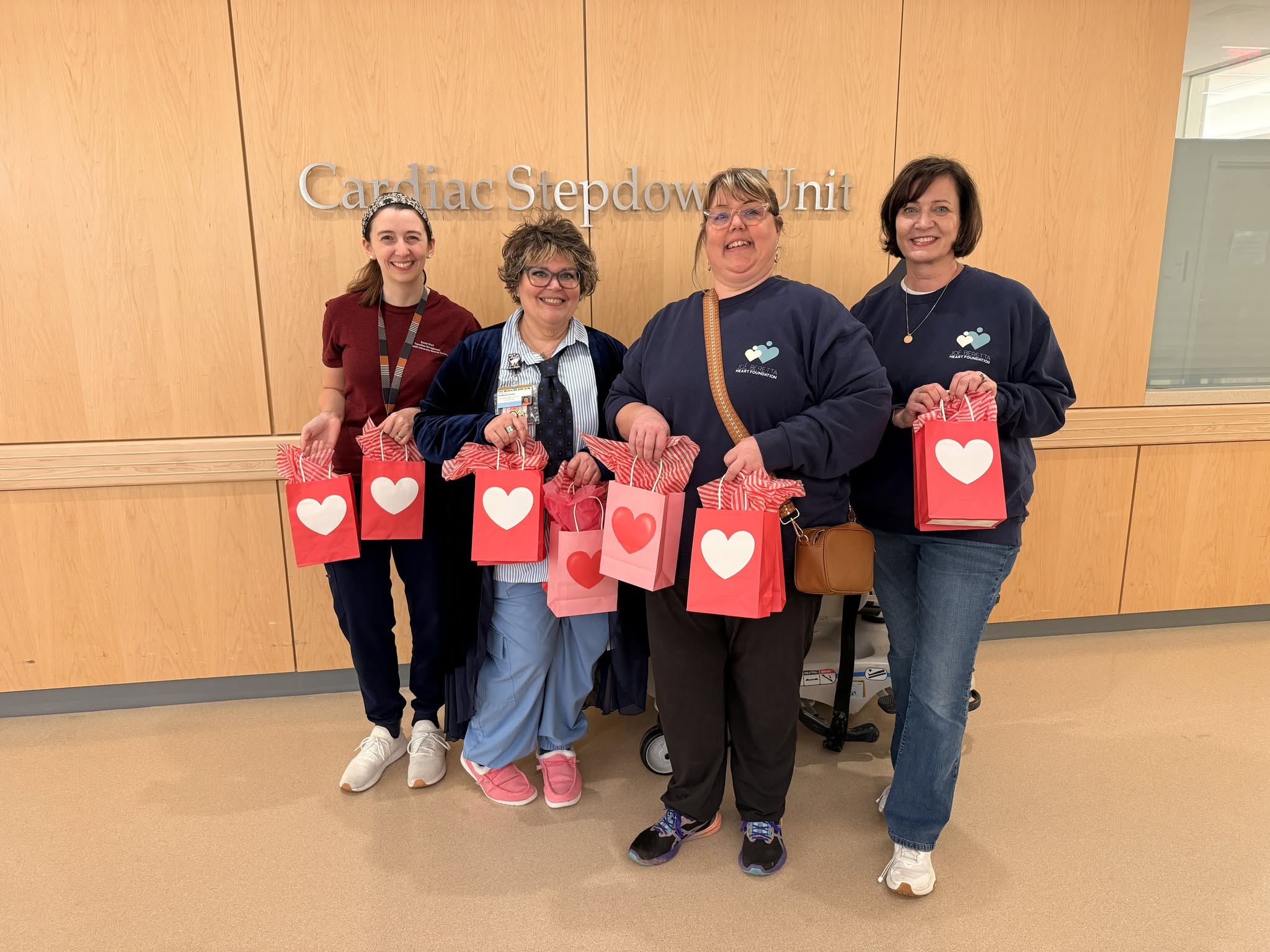
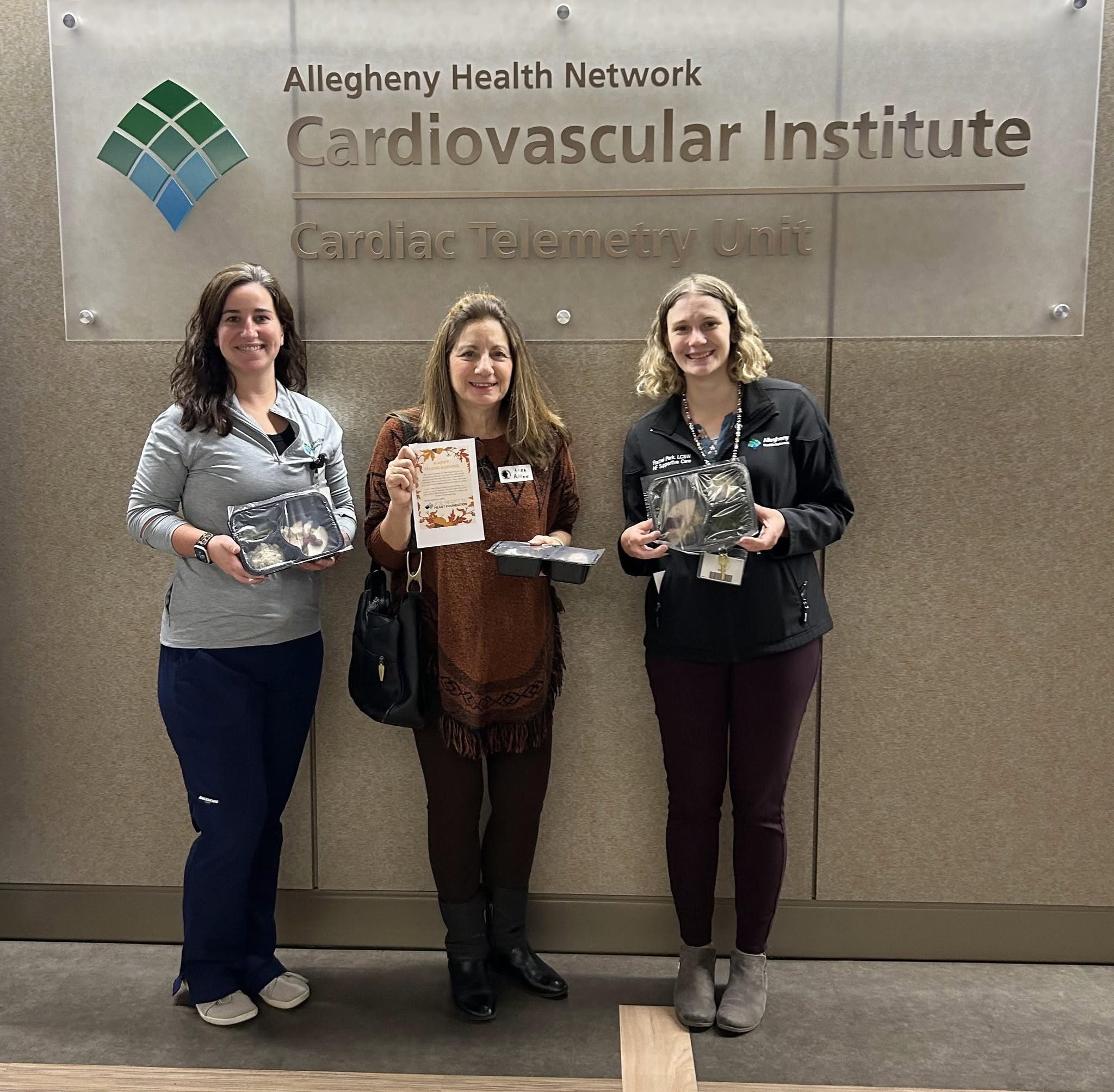
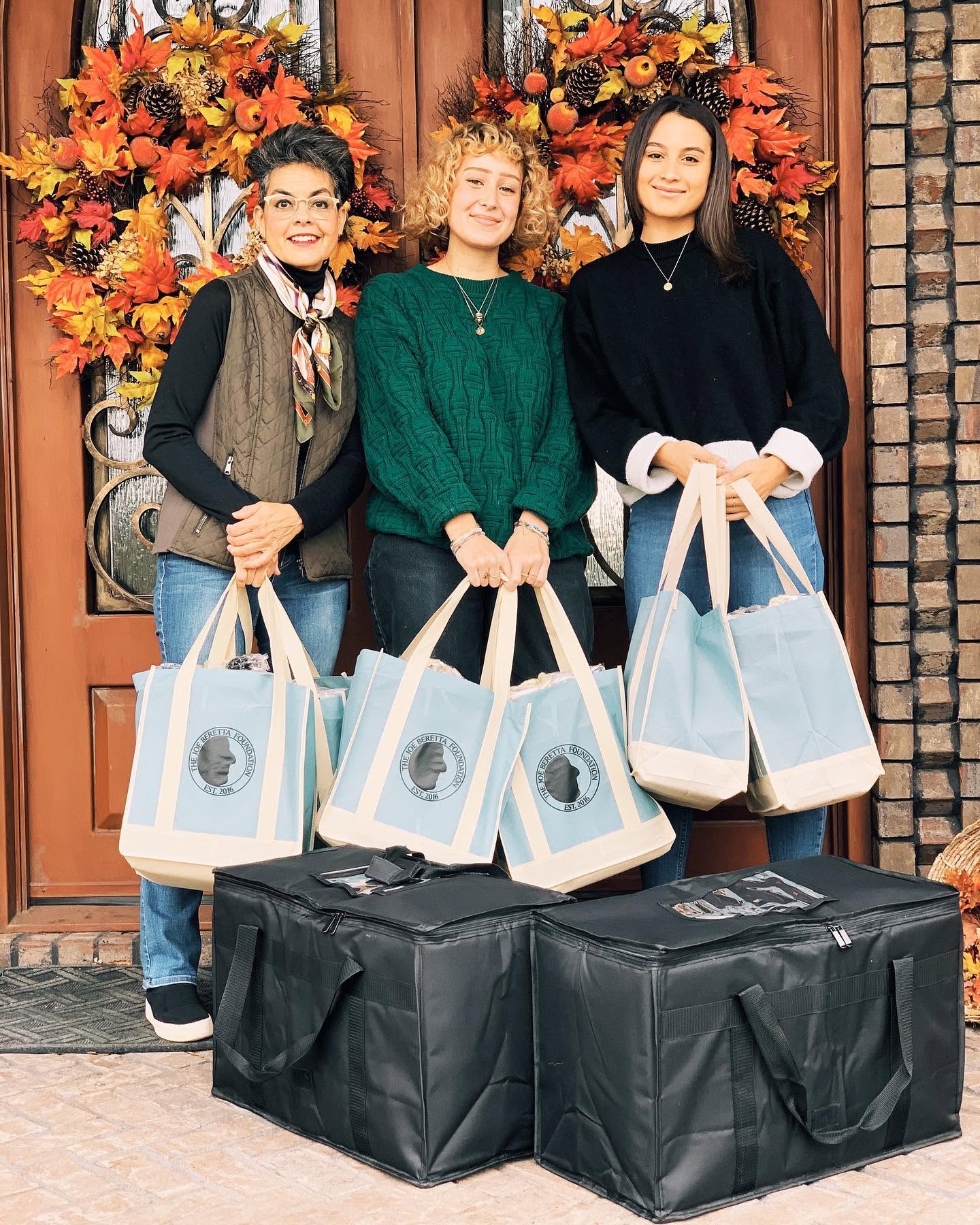
What began as one family helping others near Vanderbilt has grown into an organization serving advanced heart failure patients across Nashville, Pittsburgh, and Philadelphia through eight partner hospitals. We provide emergency housing, short-term financial assistance, heart-healthy meals through our Papa Joe’s Plates program, holiday outreach, and emotional support, so families can focus on healing instead of how they’ll pay for a hotel room. Ten years later, Joe’s story is still at the center of everything we do!
Would you say it’s been a smooth road, and if not what are some of the biggest challenges you’ve faced along the way?
It hasn’t always been easy, and honestly, we don’t think it should be. If this were simple, someone would have already solved it.
The hardest part is that we started from grief. Lillian founded this organization just months after losing Joe, while she was still healing herself. Turning loss into a mission takes real courage, and there were plenty of early days when it would have been easier to stop.
Growth has also come slowly, one relationship at a time. We can only reach patients through hospital social workers, so expanding from Nashville to Pittsburgh, and eventually Philadelphia, meant earning trust with new hospitals and care teams year by year, not overnight.
Funding brings its own challenges too. We focus specifically on heart failure and some funders see us as too narrow, even though the barriers our patients face, like housing, transportation and food insecurity, show up across nearly every serious diagnosis. What’s frustrating is that heart disease has been the number one killer in America for over a century, causing more deaths every year than all forms of cancer combined, yet it doesn’t always get matched with the level of support and awareness that scale deserves.
For most of our history, we’ve operated with a small staff of one or two beside a small army of volunteers doing the work. Every bit of growth has come because people believed in the mission enough to give their time, not because we had a big infrastructure already in place.a
None of that has stopped us. If anything, it’s made us more committed to the families we serve!
Thanks – so what else should our readers know about The Joe Beretta Heart Foundation?
We’re the Joe Beretta Heart Foundation, named after our founder’s late husband, Joe.
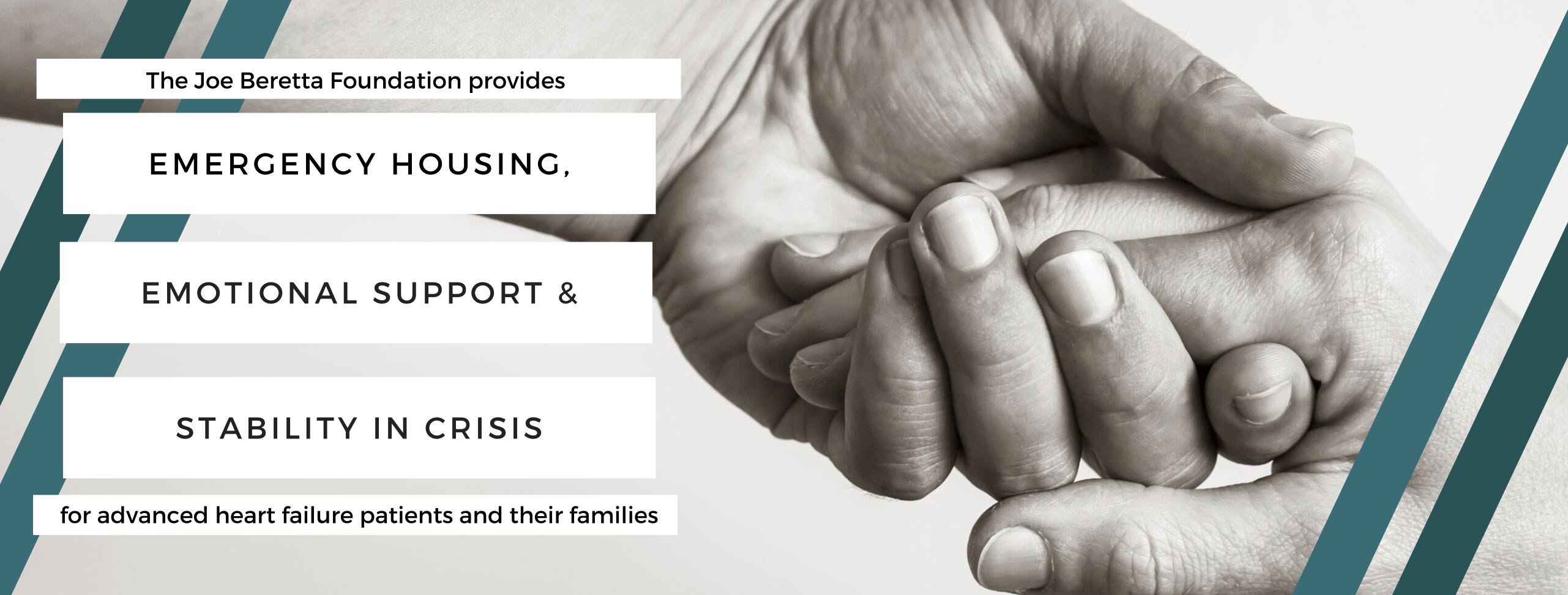
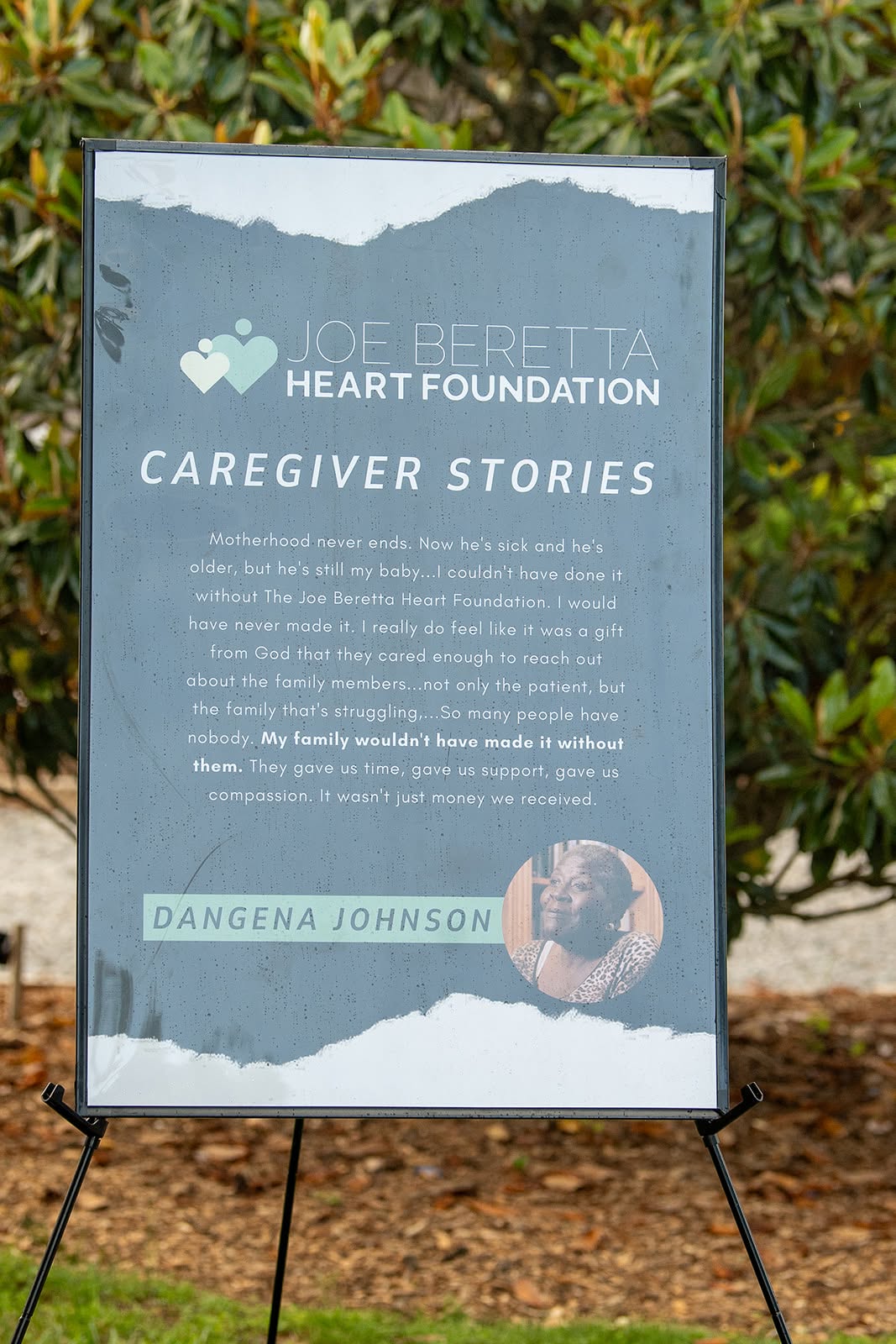
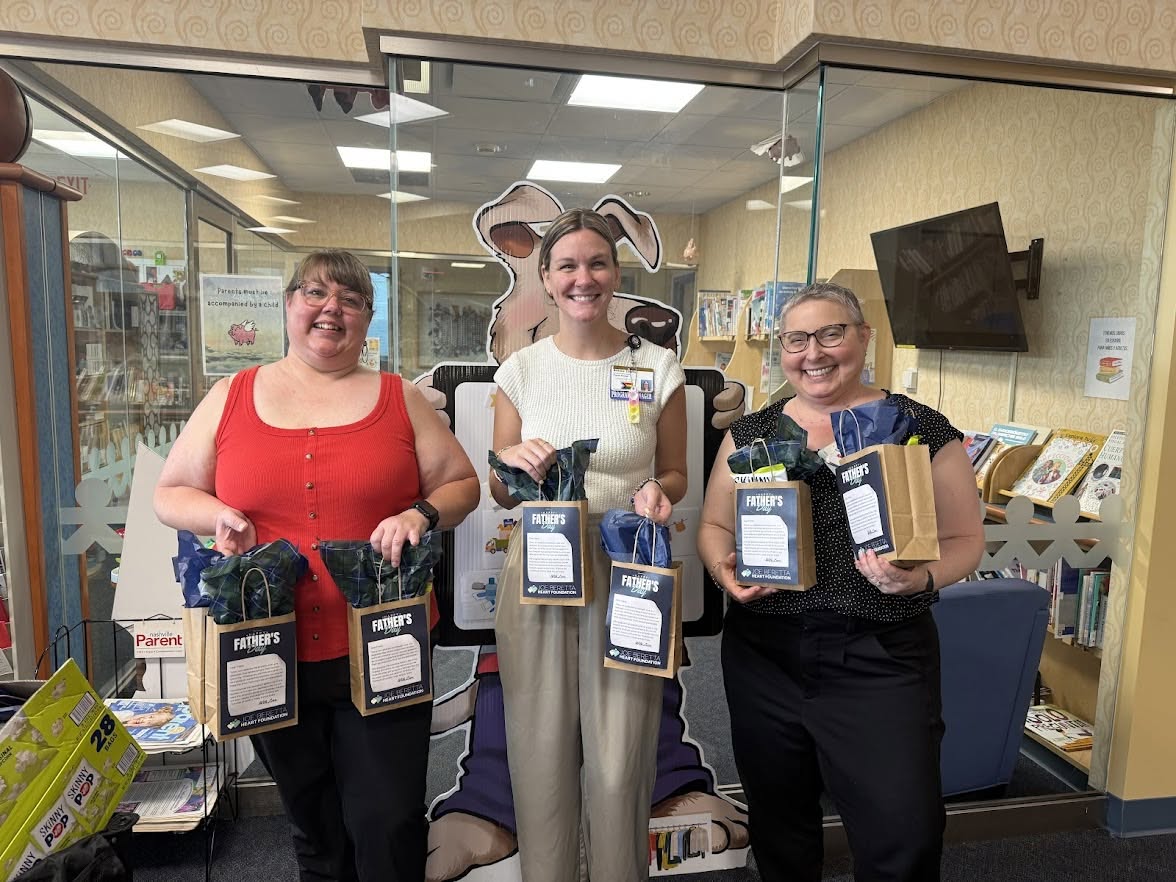
We meet the non-medical needs of advanced heart failure patients and their families, the needs insurance doesn’t cover but that can determine whether someone survives. That means emergency housing when a family has to relocate near a hospital for weeks or months, short-term financial assistance for things like gas and bills, heart-healthy meals through our Papa Joe’s Plates program and app, holiday outreach so no family in the hospital feels forgotten, and emotional support throughout the journey. We currently serve patients through eight partner hospitals across Nashville, Pittsburgh, and Philadelphia.
What sets us apart is that we’re the only organization doing this work in Middle Tennessee. We also focus heavily on what happens after a patient leaves the hospital. Most people assume the danger passes at discharge, but a majority of the meals we deliver go to patients’ homes after they’ve been sent home, because that outpatient window is often where a transplant or VAD candidacy is won or lost.
What we’re most proud of is that everything we do traces back to one family’s belief that no one should suffer alone. We built this organization on that principle, and it still guides every program and decision we make today!
What was your favorite childhood memory?
My favorite memory is something my dad did every night at bedtime. My brother and I would each pick an age, and he’d tell us a story from his life at that age, funny ones, serious ones, times he was proud of himself, and times he’d messed up. Looking back, it was such a gift. I got to know so much about who he was, and I ended up with this treasure trove of stories that proved the most amazing man I knew was also completely human.
He was a real renaissance man. He grew his own hops and grapes to brew beer and make wine, kept bees he swore he could recognize, and built a hydroponic greenhouse so he could garden year-round. But what I remember most is how present he was. We’d take long walks around the neighborhood, and he’d challenge me to word games, like seeing who could work the most homonyms into a sentence. That’s probably where my lifelong love of language and writing started.
Contact Info:
- Website: https://www.thejoeberettafoundation.com/
- Instagram: https://www.instagram.com/iheartjbhf/
- Facebook: https://www.facebook.com/ihearttjbf/
- LinkedIn: https://www.linkedin.com/company/joe-beretta-heart-foundation