




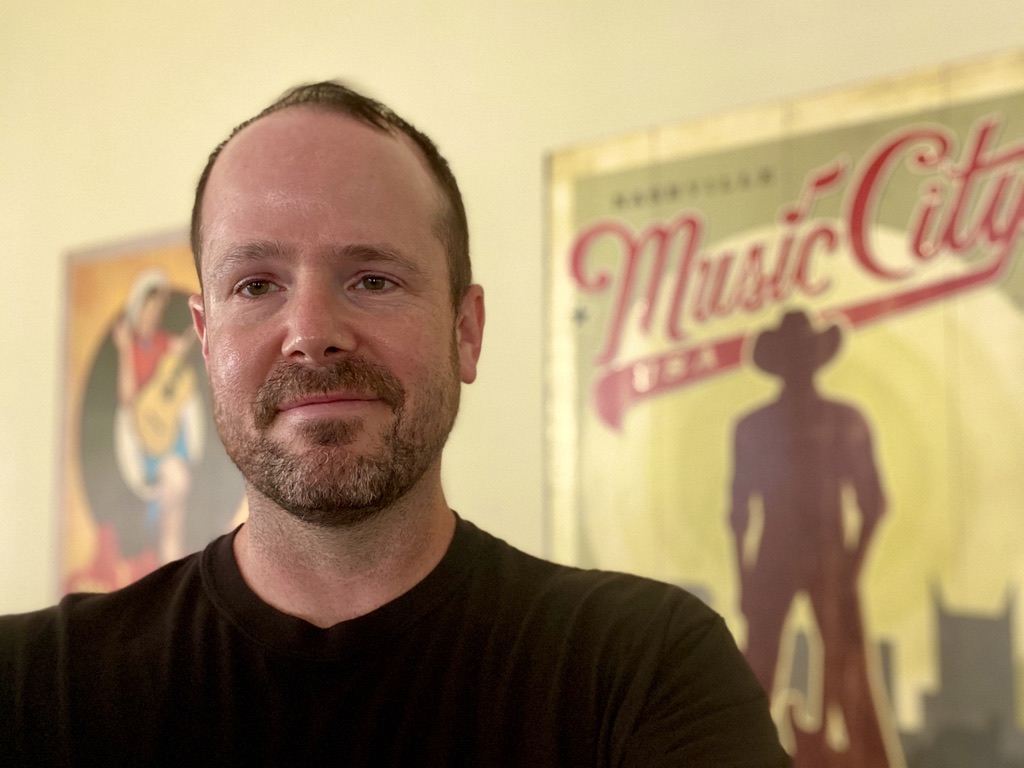
Today we’d like to introduce you to Matt Schroer.
Hi Matt, we’d love for you to start by introducing yourself.
I started my career as a nurse because I was drawn to the human side of health care — the conversations, the complexity, and the moments when showing up really matters. Early on, I knew mental health was where I wanted to focus, which led me to earn a master’s degree in counseling and later train as a psychiatric mental health nurse practitioner.
Working at the intersection of counseling and nursing shaped how I practice. It helped me see mental health care as both relational and clinical, and it’s influenced everything I do since. Over time, I became increasingly interested in how clinicians are trained and supported, which eventually led me into academia.
Today, I’m an assistant professor of nursing and a practicing PMHNP. I spend my time teaching, mentoring, and working with students as they grow into confident, thoughtful clinicians. Across all of my roles, my focus is the same: reducing stigma, improving access to high-quality psychiatric care, and helping people — patients and providers alike — feel seen, capable, and supported.
Alright, so let’s dig a little deeper into the story – has it been an easy path overall and if not, what were the challenges you’ve had to overcome?
It definitely hasn’t been a smooth road, and I don’t think meaningful work ever is. One of the biggest challenges has been navigating multiple professional identities — counseling, nursing, clinical practice, and academia — and learning how to integrate them rather than feeling like I had to choose just one.
There were also moments of self-doubt along the way, especially in spaces where mental health work is undervalued or misunderstood. Balancing clinical work with teaching, leadership, and personal life has required constant recalibration, and I’ve had to learn that sustainability matters just as much as ambition.
Those challenges ultimately shaped how I show up today. They’ve made me more intentional about mentorship, boundaries, and creating supportive environments for students and colleagues — especially for those who are still finding their footing.
Alright, so let’s switch gears a bit and talk business. What should we know?
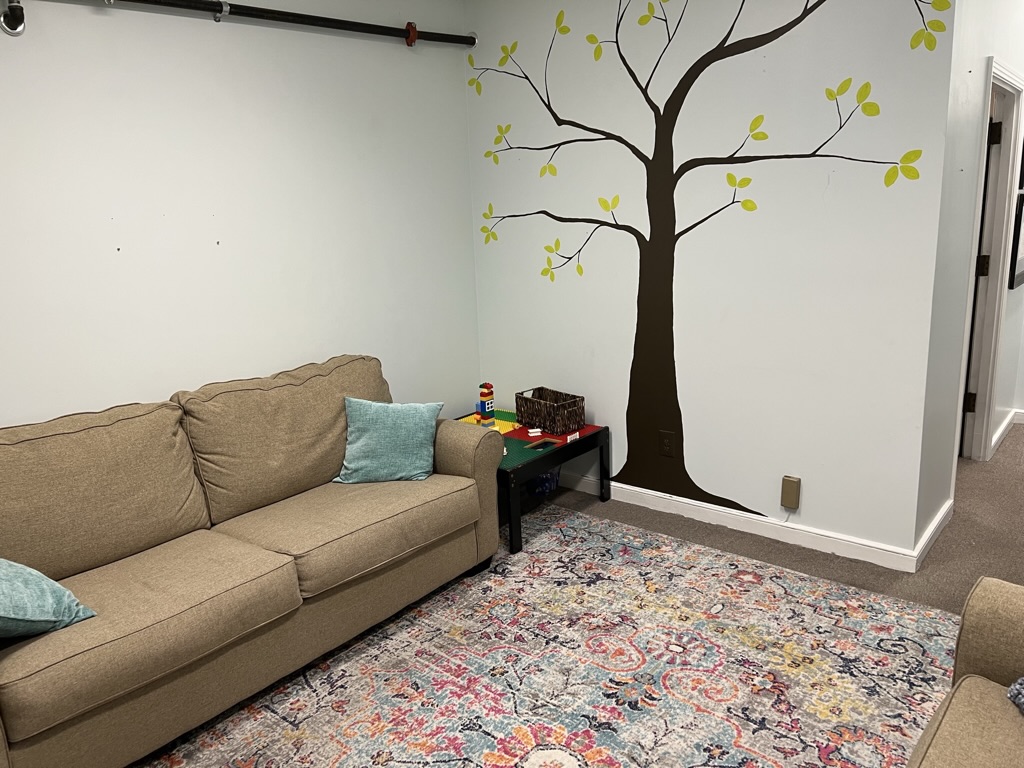
I’m the founder of Mid-TN Psychiatric Cooperative (midtnpsychcoop.com), a clinician-led psychiatric practice built around the idea that high-quality mental health care should be accessible, ethical, and human. We provide outpatient psychiatric services with a strong emphasis on thoughtful assessment, evidence-based treatment, and collaborative care.
Our work focuses on comprehensive psychiatric evaluation, medication management, and longitudinal care, with particular attention to complexity — patients who may have been misunderstood, over-medicated, or bounced between systems without feeling truly supported. We prioritize careful listening, continuity, and realistic treatment planning rather than quick fixes.
What sets us apart is our values. We are intentionally collaborative, trauma-informed, and deeply respectful of both patients and clinicians. As a cooperative, we emphasize professional autonomy, sustainability, and mutual support among providers, which ultimately leads to better care for patients. We believe that how care is delivered matters just as much as what care is delivered.
Brand-wise, I’m most proud that our practice reflects integrity and trust. We are not volume-driven, and we don’t cut corners. Our goal is to create a space where patients feel seen and where clinicians can practice in a way that aligns with their values. I want readers to know that Mid-TN Psychiatric Cooperative exists to do mental health care well — thoughtfully, ethically, and with genuine care for the people involved.
Do you have any advice for those looking to network or find a mentor?
I’ve learned that the best mentoring relationships tend to grow organically rather than through formal requests. Instead of asking someone to be a mentor, I’ve found it more effective to stay curious, ask thoughtful questions, and show up consistently in spaces where people I respect are doing meaningful work.
What’s worked well for me is focusing less on networking for opportunity and more on networking for connection. That means being genuinely interested in other people’s work, offering help when I can, and following through. Over time, those relationships naturally turn into mentorship, collaboration, and advocacy.
I also think it’s important to have more than one mentor. Different people have helped me at different stages — some for clinical growth, some for leadership, and others for navigating balance and sustainability. Finally, I’ve learned that mentorship is reciprocal. Being a good mentee — prepared, respectful of time, and open to feedback — goes a long way in building relationships that last.
Contact Info:
- Website: https://midtnpsychcoop.com