



Today we’d like to introduce you to Natae Feenstra.
Hi Natae, so excited to have you on the platform. So before we get into questions about your work-life, maybe you can bring our readers up to speed on your story and how you got to where you are today?
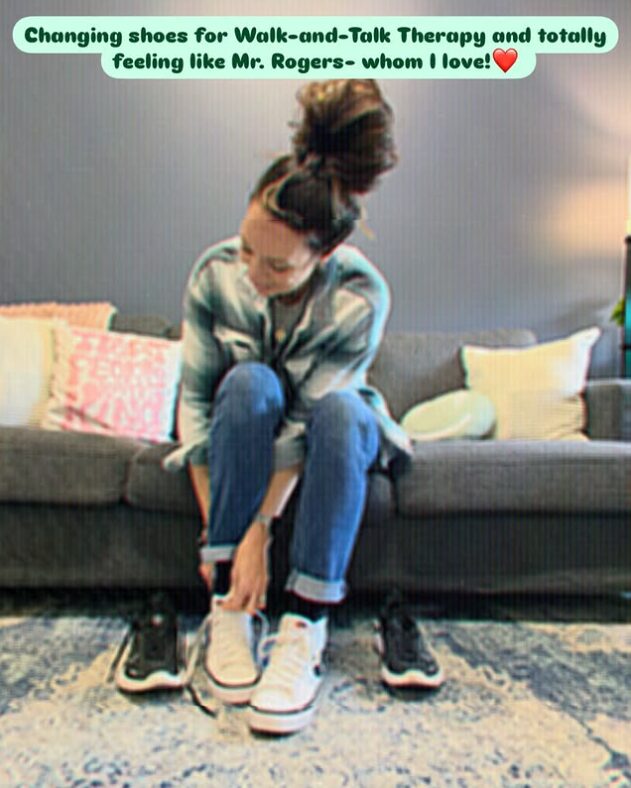
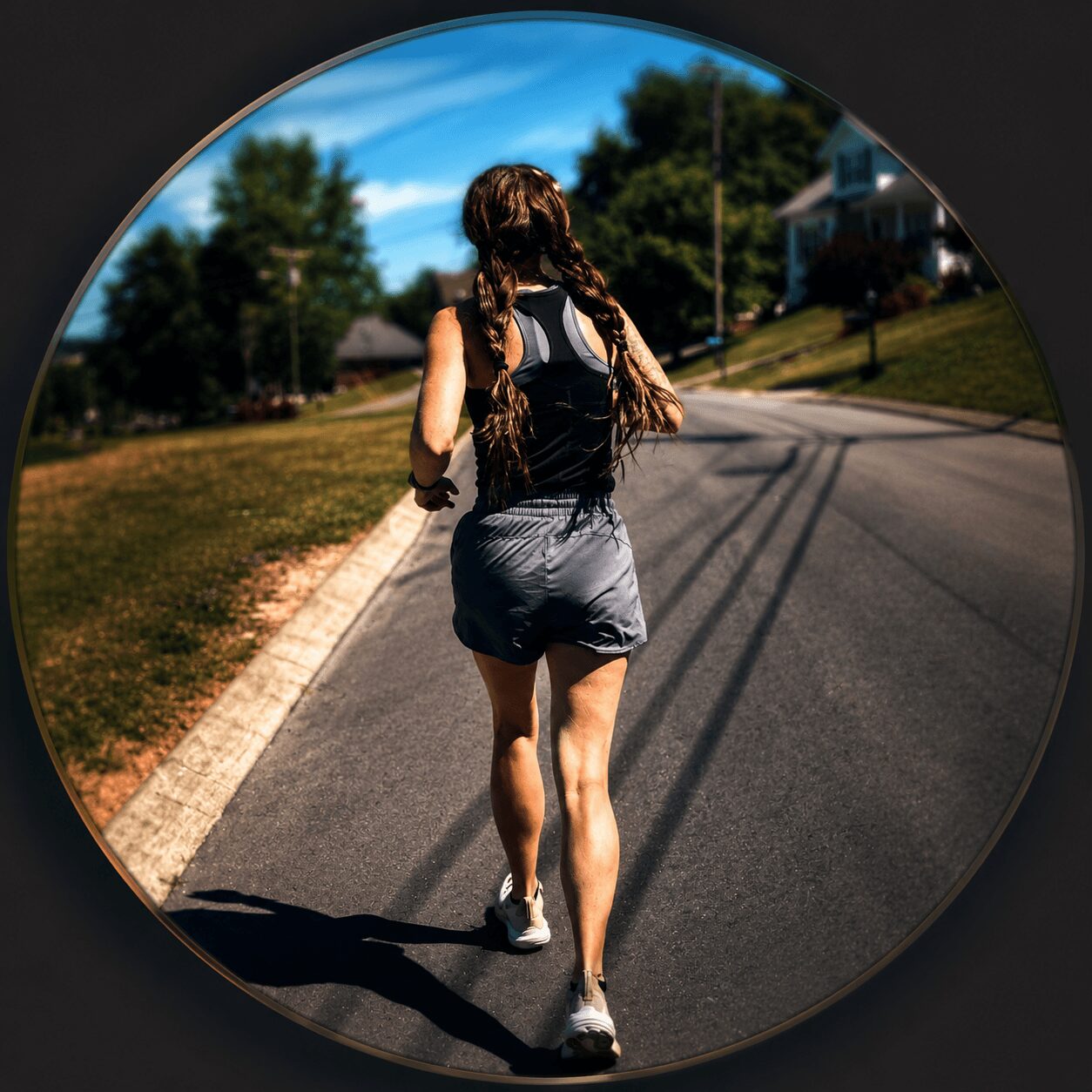
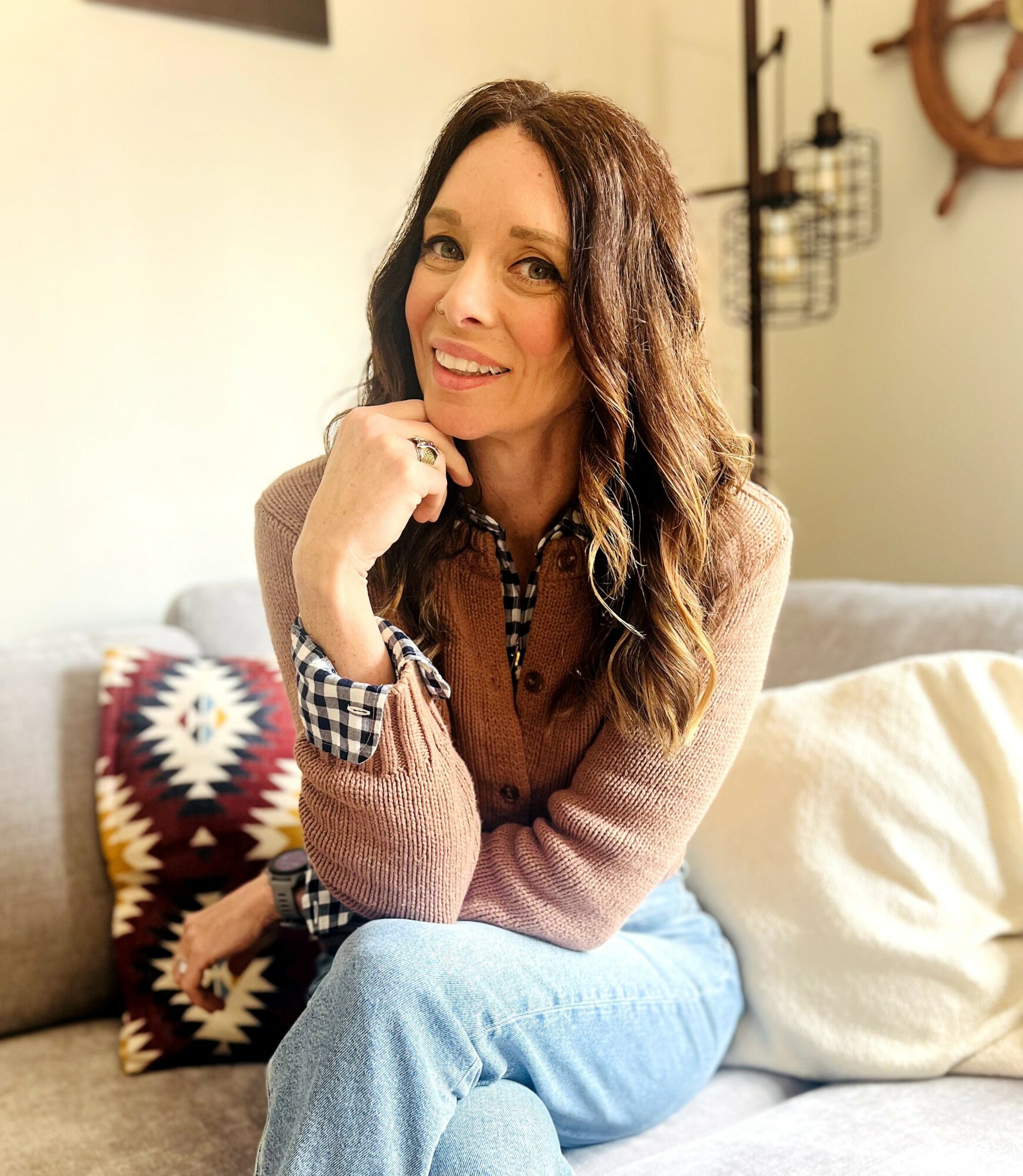
I’m Dr. Natae Feenstra and I’m a running therapist—which is exactly what it sounds like. I run or walk alongside clients while engaging in talk therapy, creating a therapeutic experience that moves beyond the traditional office setting and into the rhythm of movement, conversation, and connection.
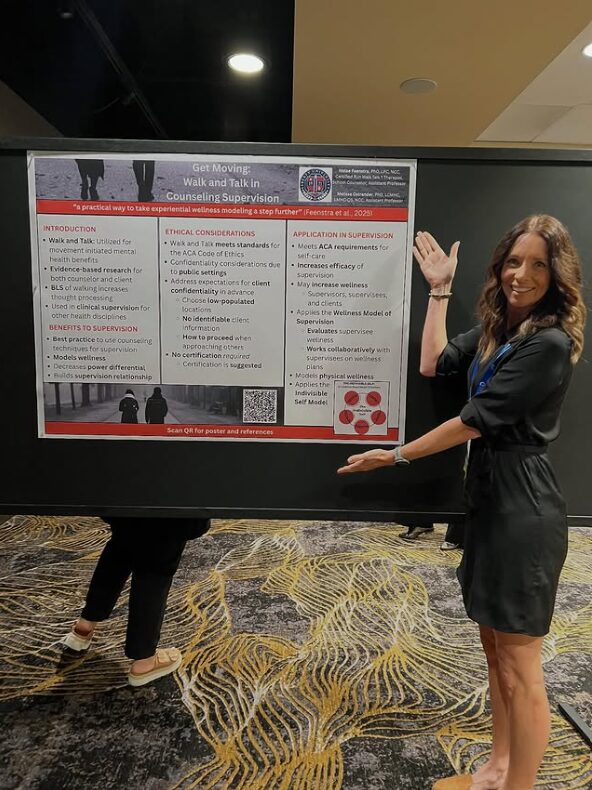
As a guiding member of the North American Chapter of the International Association of Running Therapists and a Certified Level 1 Run Walk Talk® Therapist, I specialize in movement-based mental health treatment (running therapy or walk-and-talk therapy) and have spent years researching, practicing, speaking, and publishing on the powerful connection between movement and mental health.
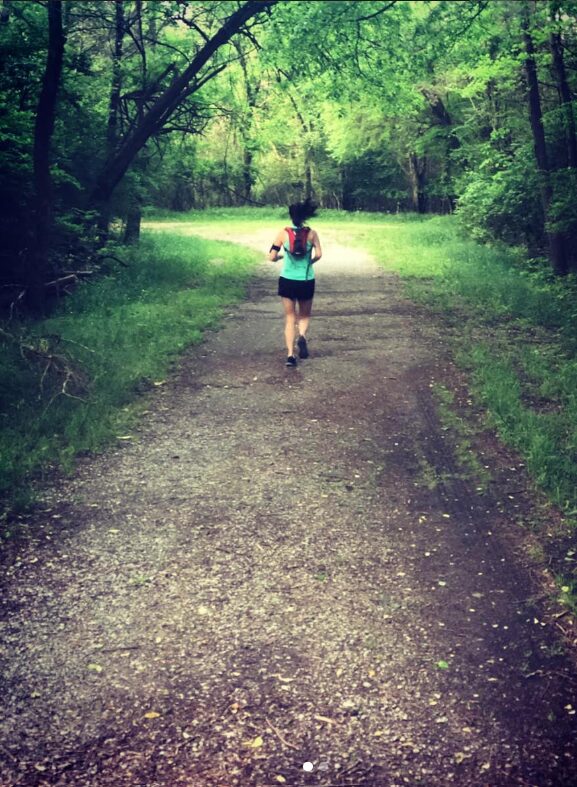
More than 20 years ago, I started running for my physical health while I was in undergrad. Then, during graduate school for counseling, I had a moment that changed everything. After a run with a friend, I realized how dramatically better I felt mentally and recognized, “This has got to be some kind of therapy!” When I got home and searched “running therapy,” I discovered not only that it existed, but that it had been around since the 1970’s—with research already supporting its effectiveness for improved mental health.
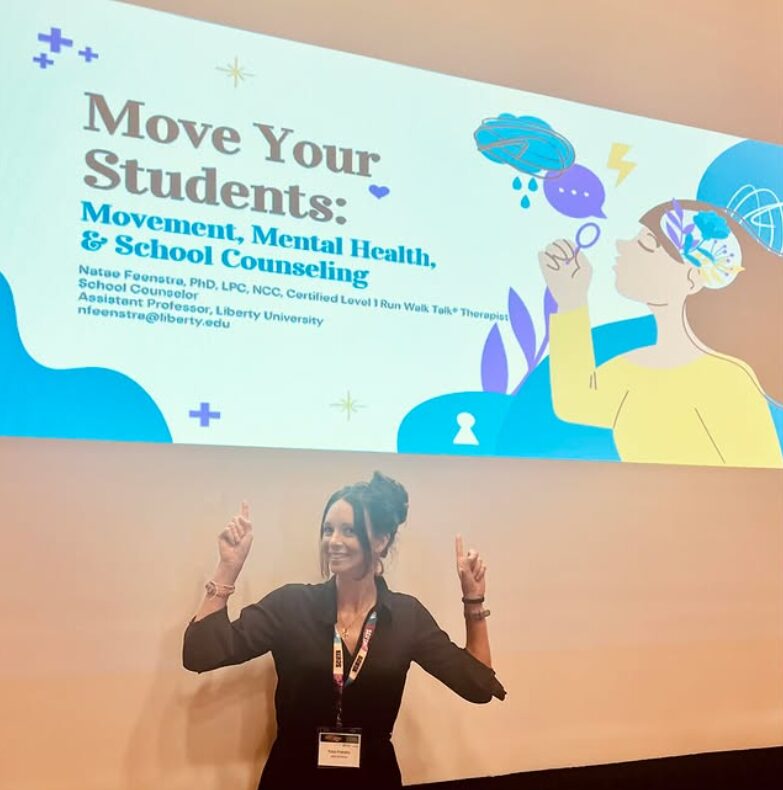
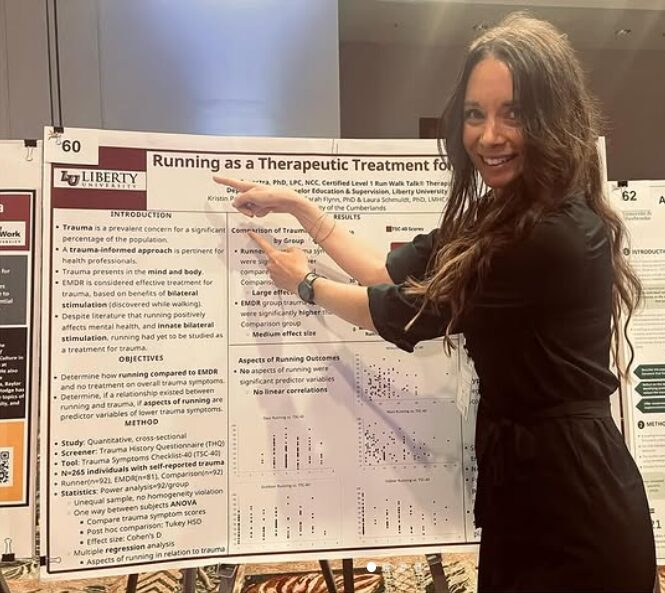
From that point forward, I immersed myself in the science and existing literature of movement for mental health. My doctoral dissertation, *Running as a Therapeutic Treatment for Trauma*, focused on the role of running in reducing trauma symptoms. This research is published and I was privileged to present it at an international trauma conference. Today, I integrate that work directly into my counseling practice, offering walk-and-talk and running therapy for individuals and couples, as well as therapeutic movement groups designed especially for women and mothers navigating the mental load of modern life. I also educate mental health professionals on this technique, the research, and how to incorporate movement into therapeutic practice and even into schools for students. As a former school counselor, my heart is with schools. This July, I will speak on “Movement for Mental Health” for school counselors at the American School Counselors Association’s (ASCA) national conference in New Orleans. It’s going to be a fun time!
I believe movement promotes healing in ways that are both deeply human and profoundly effective. It helps regulate the nervous system, increase emotional resilience, improve clarity, and reconnect people with themselves physically and emotionally. As both a clinician and runner for over 20 years, I’ve experienced those benefits personally—and I’m passionate about helping clients and fellow mental health professionals experience them too.
For me, therapy isn’t confined to four walls. Sometimes the most meaningful breakthroughs happen one step at a time.
Can you talk to us a bit about the challenges and lessons you’ve learned along the way. Looking back would you say it’s been easy or smooth in retrospect?
I wouldn’t say there were “struggles”. However, considering my specialty, many people simply aren’t aware of movement-based mental health therapy. So, psychoeducation is vital to share the evidence to those I’m working with or teaching. It usually doesn’t take much to get other professionals and clients on board. Once they experience it, they feel it. Educating others is key here.
Appreciate you sharing that. What should we know about Therapy Steps: Counseling & Movement Therapy?
My private practice offers movement-based therapy (walk-and-talk or running therapy) or telehealth services. I work with older adolescents, adults, and couples in either setting. Additionally, I facilitate therapeutic movement-based groups for women or mothers. However, I offer these counseling services on a limited basis. First and foremost, I am an assistant professor in the Department of Counselor Education and Family Studies at Liberty University. As an academic, I spend much of my time teaching, speaking, doing research or writing on movement for mental health and various other mental health topics.
Do you have recommendations for books, apps, blogs, etc?
I’m a fan of any running media or literature! I’m always trying to stay abreast of movement and running literature and science. I also enjoy running as a recreational topic. Some quick standouts are the books by Dr. Kostrubala. These are the foundational literature of running therapy (The Joy of Running and The Joy of Running 2: Paleoanalysis). “The Running Anthropologist” hosts an interesting podcast on running, culture, and mental health- check that one out. I highly recommend the documentaries, “Skid Row Marathon” and “26.2 to Life”. If you want a great running movie that’s family friendly, “MacFarland, USA”, is one of my favorites. Of course, my Garmin watch and Garmin app keep me accountable personally.
Contact Info:
- Website: https://therapy-steps.com
- Instagram: @dr.feenstra.runs
- Facebook: https://facebook.com/drfeenstra