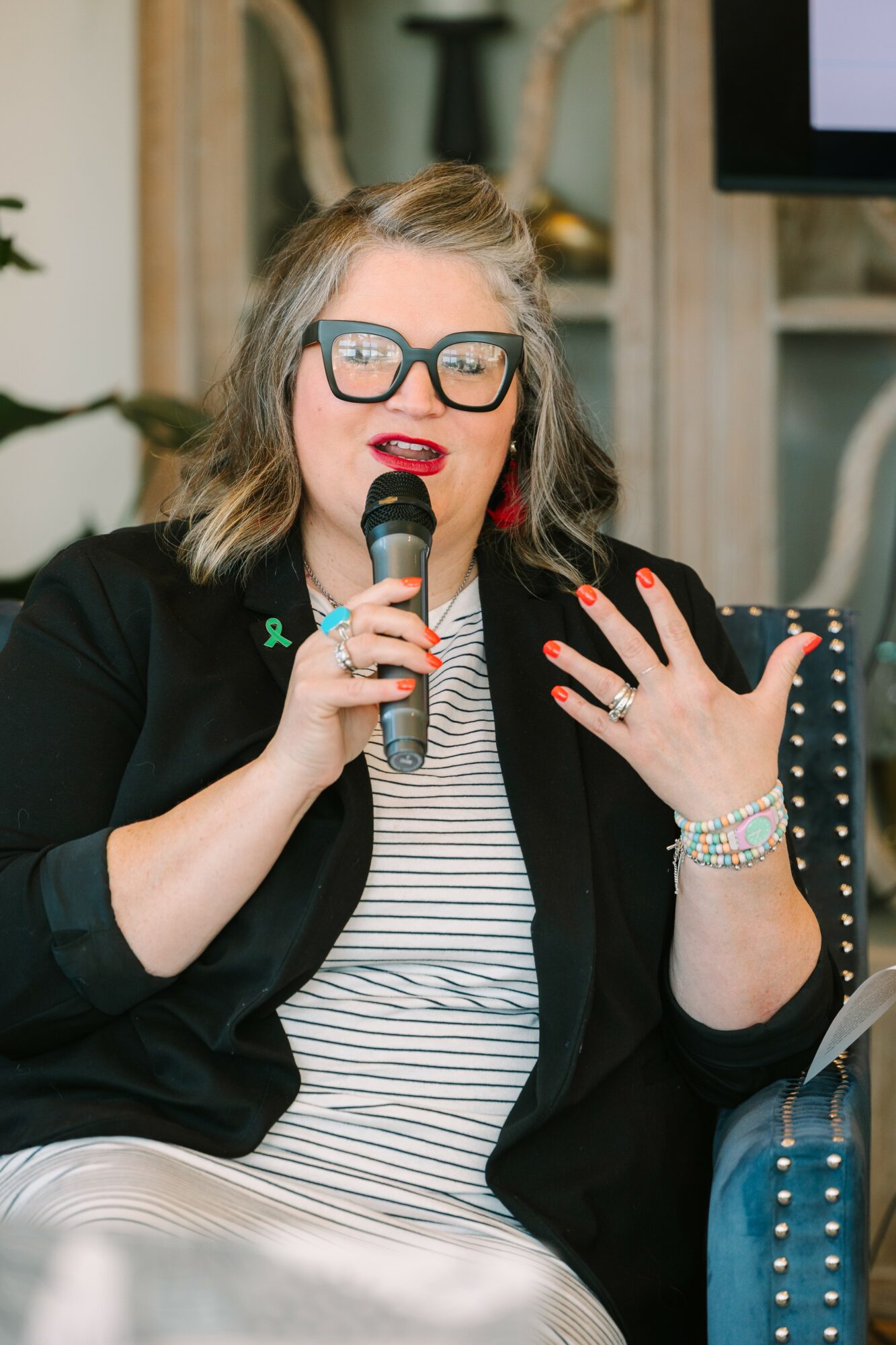





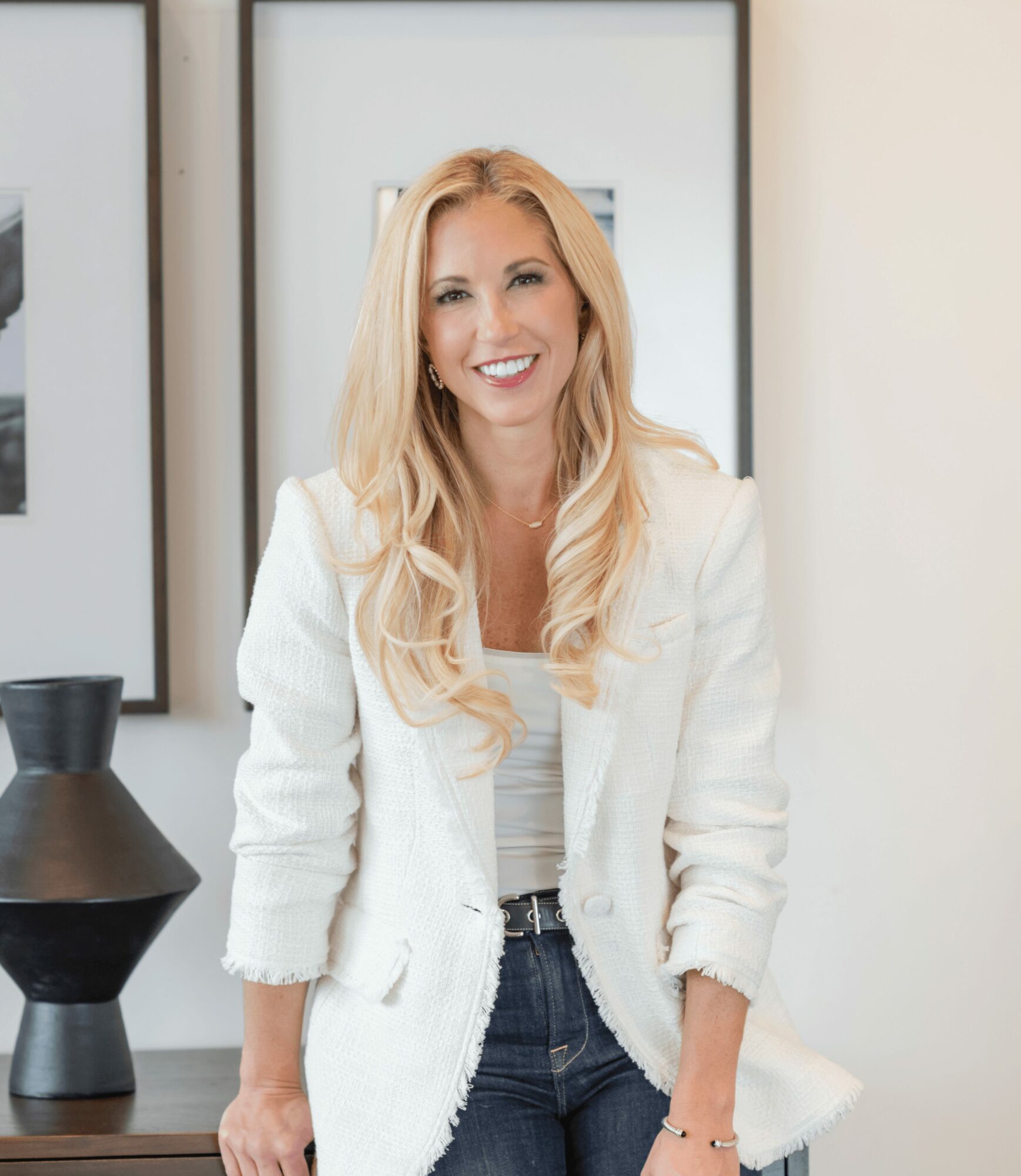
Today we’d like to introduce you to Tina Stoyka.
Hi Tina, it’s an honor to have you on the platform. Thanks for taking the time to share your story with us – to start maybe you can share some of your backstory with our readers?
For a solid portion of my life, I was driven by a single dream: to become the Chief Marketing Officer at BMW. We’ve all been there, right? “Chief Officer” — the ultimate leader. I’ll be that. I love marketing. I love BMWs. It’s a perfect fit. It’s the kind of dream you have before you truly know who you are, what drives you, or how you want to define your work and your life. Suffice it to say, I’m not the CMO of BMW — nor is that my goal anymore.
Once I started to understand what actually fueled me, I traded that title dream for something much more meaningful: building businesses that solve real problems and serve real people. That desire has become the thread connecting every chapter of my entrepreneurial career — from founding my country music promotion company to launching my consulting firm, 615innovations, where I helped businesses grow through storytelling, revenue operations, and execution to creating my nonprofit, Hang on Health, where I now empower entrepreneurs with consistent and reliable opportunities to improve their mental well-being in order to achieve peak performance. When entrepreneurs have the self-awareness, tools, and community to operate at their best, they can build unwavering companies that are built to last.
Getting to this point, though, hasn’t all been rainbows and butterflies.
Fourteen years after I graduated from college in Philadelphia, life took a dramatic turn. From the moment I landed my first job at 22 in Washington, DC, my professional journey became a source of immense pride. I threw myself into my work, consistently giving more than 200%, always pushing myself to outperform my peers. That determination and laser-sharp focus paid off, and by 28, I had earned the title of Vice President and became an equity partner at a thriving multi-million-dollar government affairs firm in the nation’s capital. Along the way, I also held Director roles on two nonprofit boards.
In 2017, I pursued a new dream: launching a country music venue in DC. (Company #1) Like everything I do, I poured every ounce of passion I had into that venture. Unfortunately, in 2020, that dream came crashing down — the same year I decided to leave my government affairs firm.
Undeterred by not finding a new job in the spring of 2020, I pressed forward. In August 2020, I launched my second company, 615innovations LLC, in Nashville, where I had moved in 2017. For the first nine months, it was thriving. I mean really thriving — six-figure revenue, booming demand, a growing team, speaking engagements, and exciting momentum.
Then, in the summer of 2021, my mental health took a turn I never expected.
The consulting firm I had worked so hard to build collapsed. My largest client walked away with $30,000 worth of services. Everything my team and I had poured ourselves into felt like it vanished. I owed tens of thousands of dollars to network partners and two employees. I didn’t have the money. I didn’t have a plan. And I definitely didn’t have the emotional capacity to pretend I was okay. I felt like I was failing publicly and drowning privately. What’s more: I never recovered a single dollar.
At 35, I was living a reality that looked nothing like the future I had planned. I was trying to navigate an emotional rollercoaster of personal and professional “failure” and financial destruction (aka. bankruptcy). My mental health journey began in the five stages of grief, mourning the version of myself I no longer was. My identity, my purpose, my self-worth all plummeted. Everything I once stood on felt like it had crumbled beneath me. And even though I had (and still have) an incredibly loyal, loving support system, including a life-saving team of health professionals, I lived in constant states of embarrassment, shame, fear, guilt, and loneliness.
A few months later, I found myself in the grip of suicidal depression. In 2022, I was diagnosed with Bipolar II Disorder. I’ve had ADHD since childhood, and my therapist later explained that the cumulative impact of everything I’d endured had left me with my own form of PTSD.
When I began sharing my story — first with close friends and family, then with fellow business-owner friends — something unexpected happened: people started sharing their stories. I couldn’t believe how many of us put on this facade that we’re all okay, “great” actually, and have it all together.
Think about it. You run into someone and ask, “How are things going?” or “How’s work?” The answer is almost always, “Great! Busy!” But beneath the surface, I learned that many people are battling internal chaos, just like I was.
Despite everything, and because of everything, I uncovered a new purpose: to support other entrepreneurs in managing their mental health and to help ensure that no business owner ever feels the way I did — and sometimes still do. That realization led to the creation of my third company, Hang on Health.
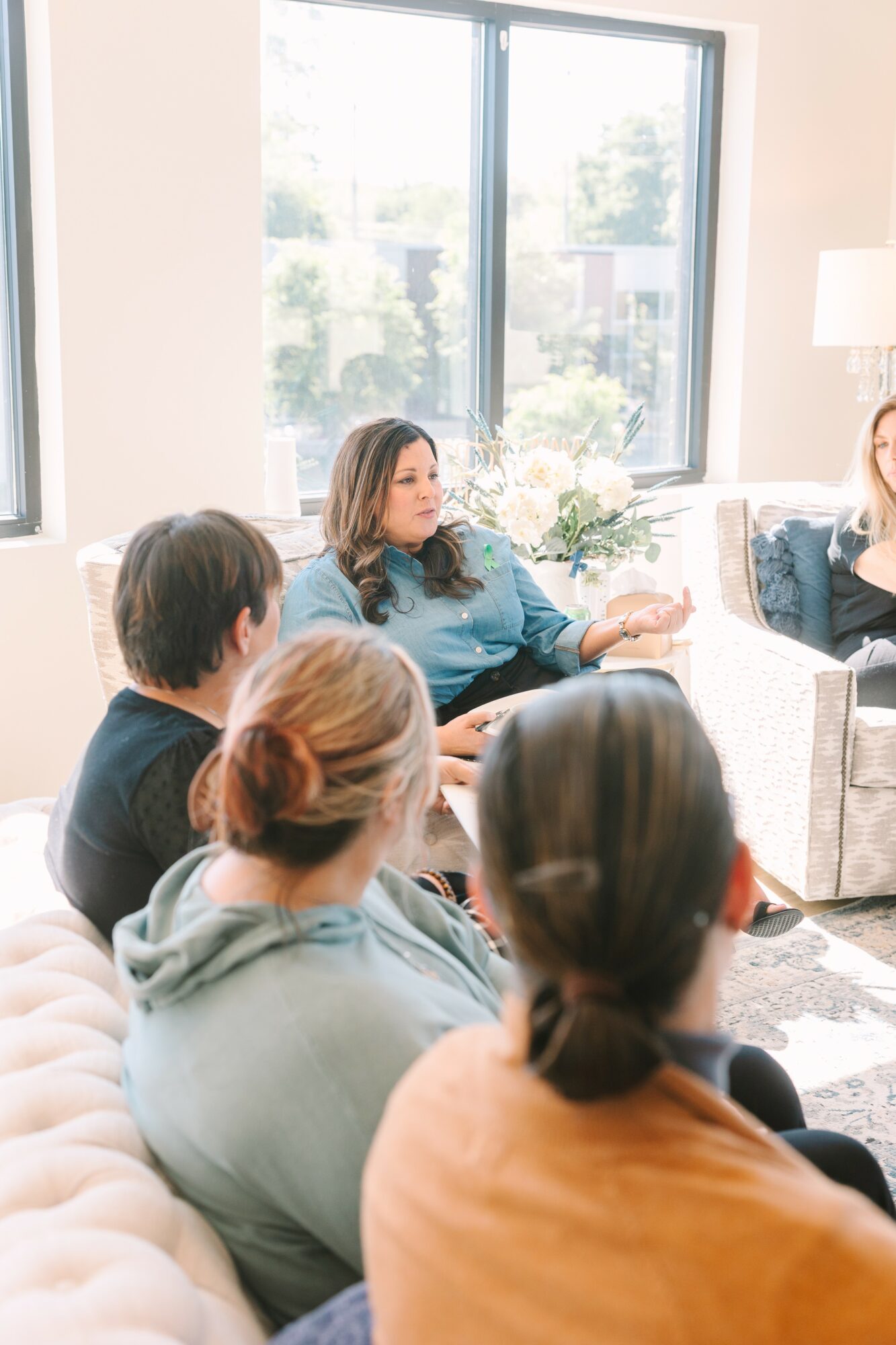
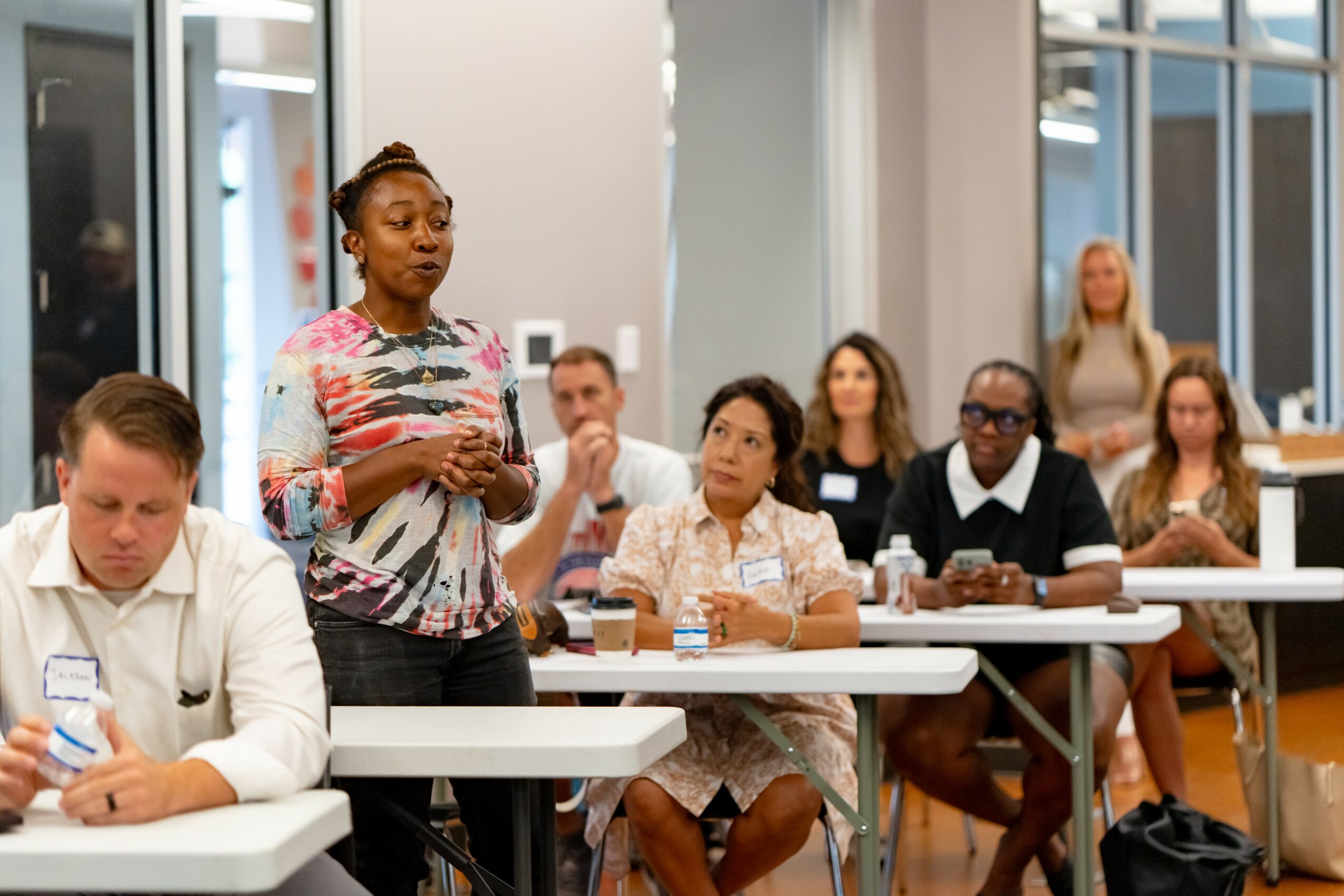
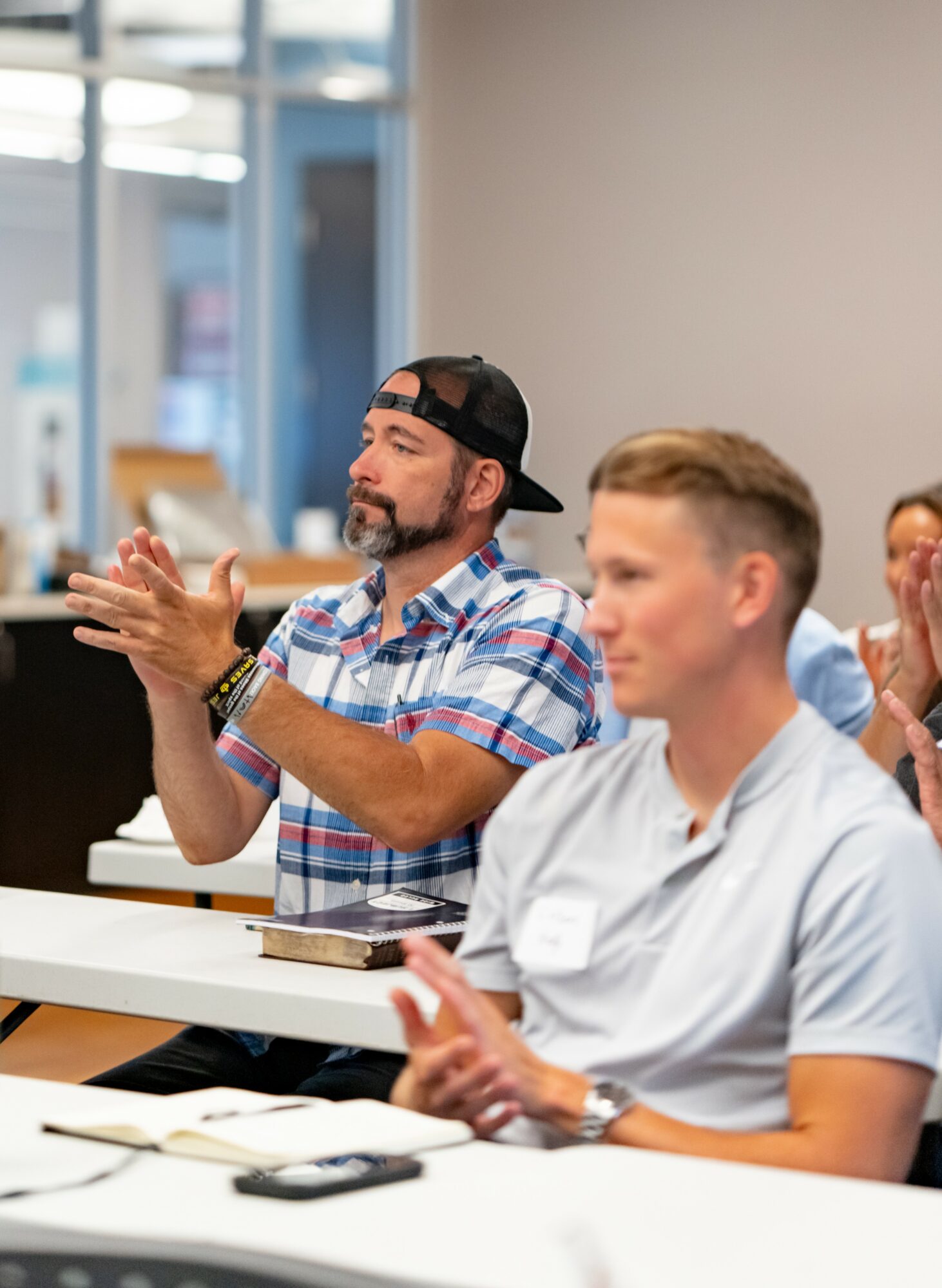
Today, when I host events and entrepreneurs step into the spotlight to share their real, raw, unfiltered stories — their challenges, their “failures,” their experiences with depression, grief, finances, or relationship hardships — I watch the room change. I see eyes fill with tears. I see walls come down. I see people recognize themselves in someone else’s story.
They no longer feel so alone.
They feel seen.
They feel understood.
They gain someone they can talk to.
They find a community that genuinely wants to be there for them.
Even though my life still doesn’t look the way I thought it would by now, I know I am exactly where I’m meant to be. I’m deeply grateful for my incredible husband (also an entrepreneur) who has not just stood by me through everything, but also married me (!) despite all my crazy 🫨 and whose support has made it possible for me to physically be here today and to follow this path.
It’s taken me a long time to accept that The Universe has a plan. And no matter the immense amount of heart ache, self-realization and adversity it took to get here, I know I’m doing the work I was always being shaped to do: helping founders and entrepreneurs become stronger humans, better leaders, and more resilient entrepreneurs.
Appreciate you sharing that. What should we know about Hang on Health?
According to Gallup, US companies lose $46B a year in lost productivity because of mental health.
There are 33M small business owners. 75%, or 25 million, of them are concerned with their mental health.
81% of founders hide their struggles; more than 50% hide their stress from their co-founders.
In addition, entrepreneurs make countless sacrifices causing detrimental effects on their mental well-being. Entrepreneurs are more likely to suffer from…
2X Suicidal Thoughts & Depression
10X Bipolar Disorder
3X Addiction
6X ADHD
Unfortunately, this also impacts the health of their workforces, the success of their businesses as well as their personal lives.
ENTER HANG ON HEALTH.
Hang on Health is a Nashville-based 501(c)(3) born out of the real-life experience of its founder, Tina Stoyka, a three-time founder, growth executive, and speaker. Because of my journey as an entrepreneur, I am able to walk alongside the people I serve because I am them. I know firsthand the insane highs and dramatic lows entrepreneurs face. My experience as a founder has gifted me the insight, and even the pain, to create a community where no one feels alone and everyone feels empowered to become physically and mentally healthier, to become more emotionally stable, and mentally clearer. Hang on Health empowers entrepreneurs to have the confidence to make the best decisions and that they can accomplish what they set out to do – without losing their mind in the process! I firmly believe that being an entrepreneur is a journey no one can do alone.
And yet, so many of us are.
After many deep conversations with business owners, I uncovered four main themes entrepreneurs face:
1. FEAR OF FAILURE
They are scared of failing. They are scared of failing because of what others might think. They are scared of letting their teams down, their families down, and themselves down.
2. LONELINESS
They feel alone because they are making many of their decisions in isolation.
They feel alone because they don’t want anyone to know they are struggling.
3. LACK OF CONFIDENCE
Their confidence suffers because they live in a constant state of chaos. They feel physically and mentally unwell and unstable.
4. LACK OF DIRECTION
Even when they can find the time and the money, they don’t know where to go or who to turn to improve their mental health and learn how to show up as their best selves.
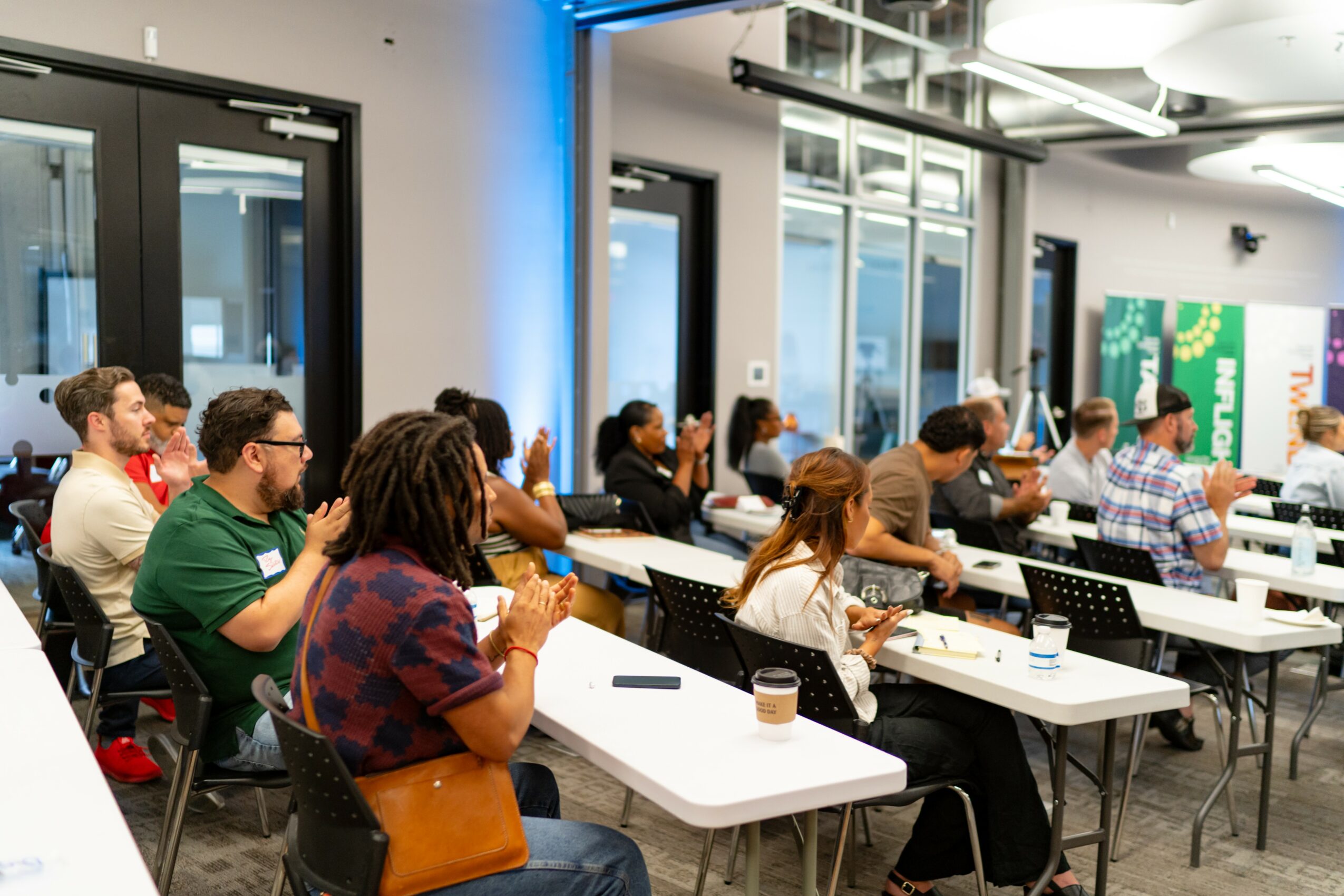
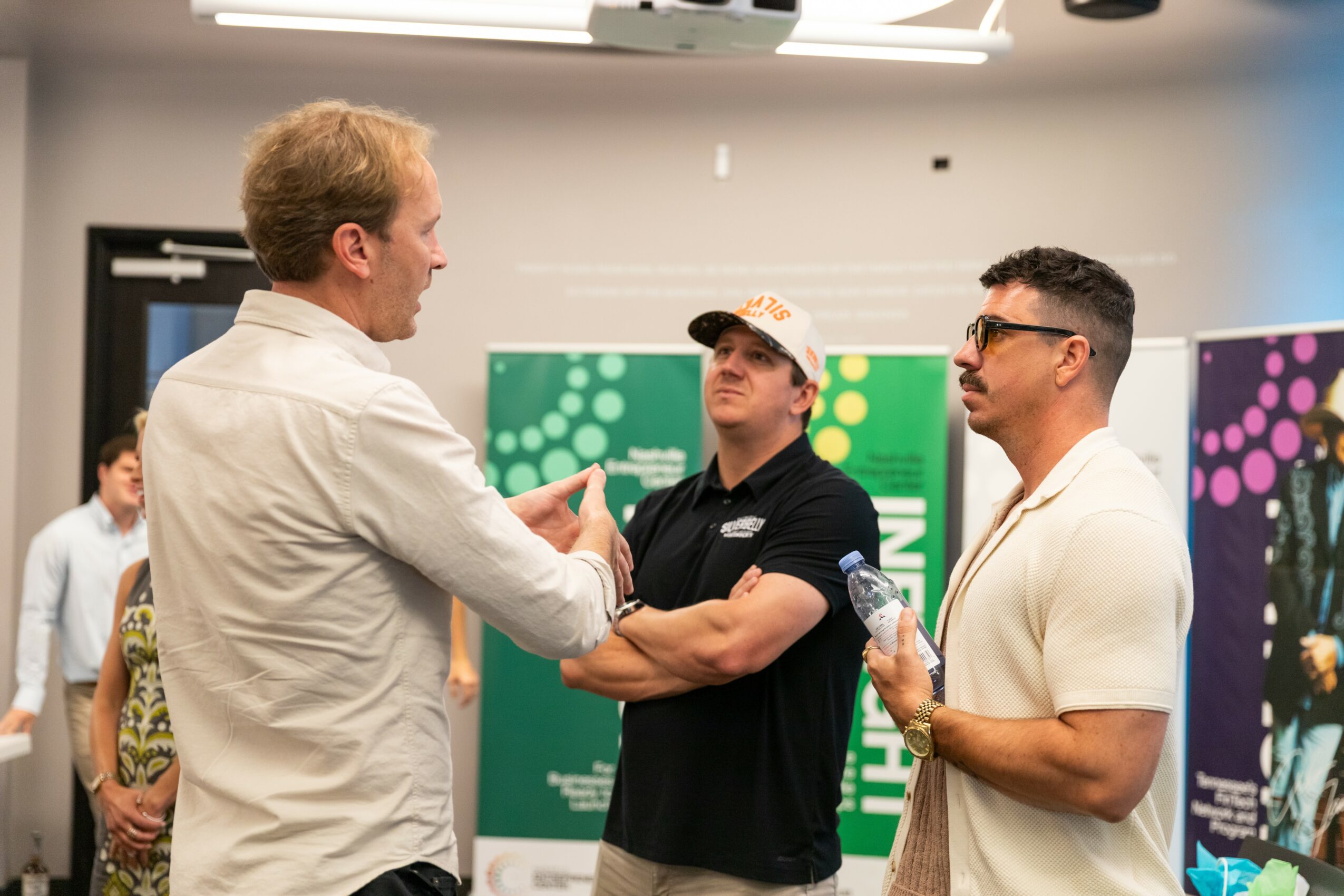
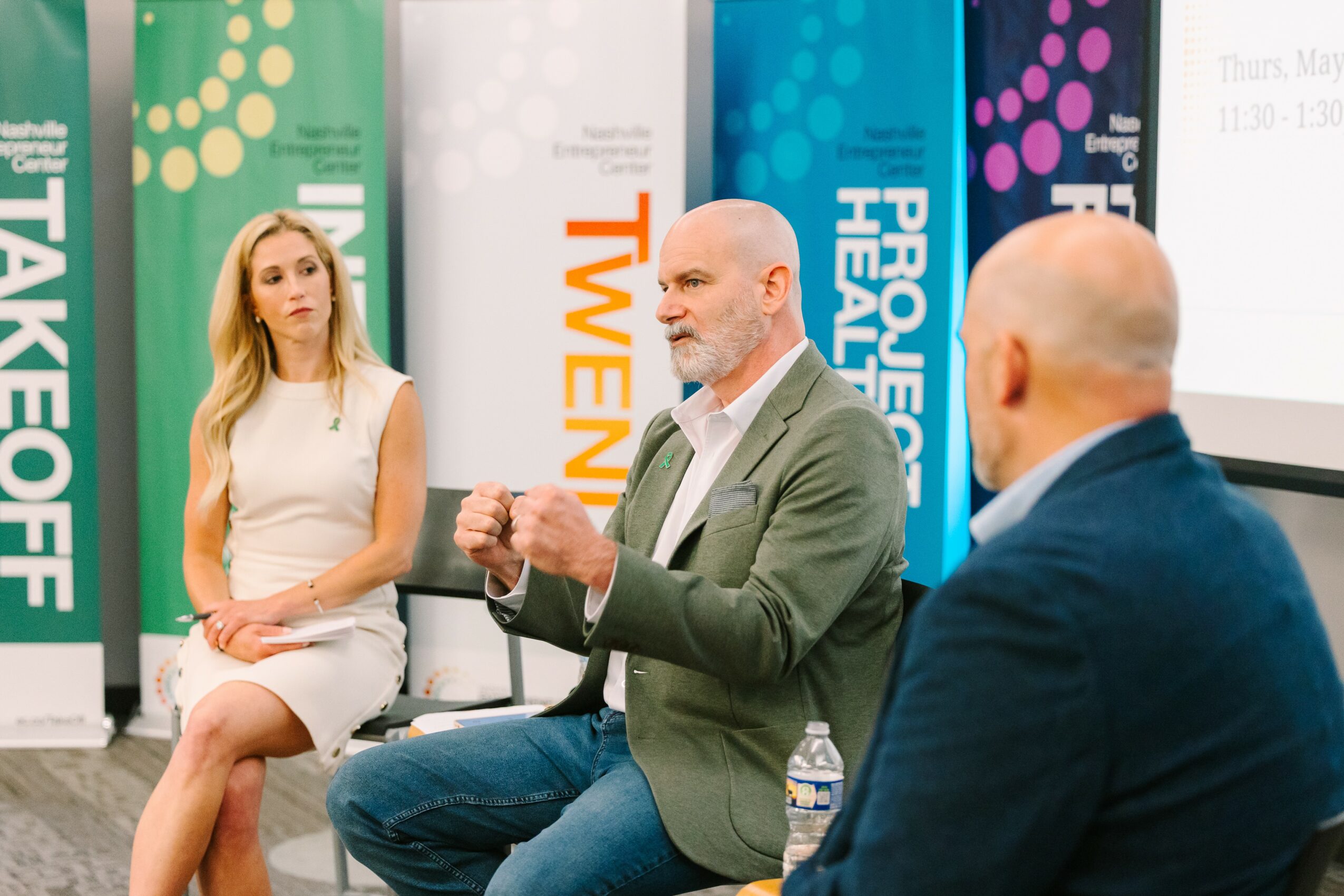
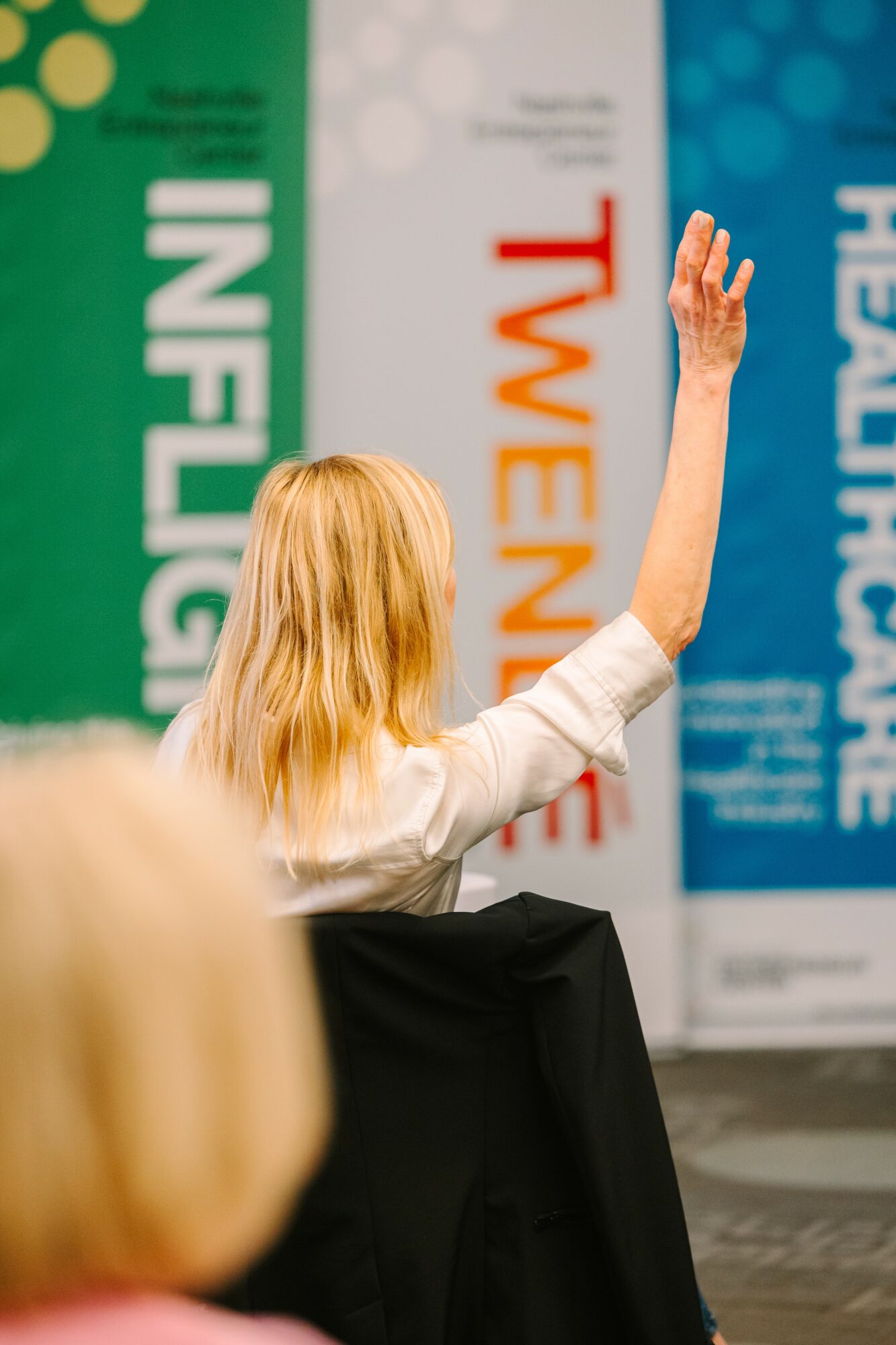
Hang on Health’s mission is to empower entrepreneurs to build mental resilience through consistent, vetted, and easily accessible education and community. Education is delivered through HOH’s social media, website, and events. Both education and community take shape through two types of in-person and virtual experiences. First, entrepreneurs are invited to share their personal, raw, unfiltered stories with a room full of their peers. Second, HOH hosts events with wellness professionals who help entrepreneurs discover and understand ways to improve their mental health, not just through therapy and medication. All of this is offered to the public at no charge thanks to sponsors and supportive partners like the Nashville Entrepreneur Center, where our monthly events are held.
What differentiates HOH’s events and education from others is our willingness to go behind the scenes and talk about the real, vulnerable emotions tied to the mental hardships entrepreneurs face when building and running their businesses. Many “building resilience” events focus on “Here’s what happened. Here’s how I handled it. Here’s how I overcame it.” Instead, HOH’s speakers talk about financial bankruptcy, or how they couldn’t get out of bed in the morning because “it’s all just too much” or they “can’t do it anymore.” Some even share how their relationships with partners and family members deteriorated, creating deeper loneliness, because their business became the center of their lives.
HOH creates a safe space to discuss the hard things most people are too scared to admit, even to themselves.
In terms of your work and the industry, what are some of the changes you are expecting to see over the next five to ten years?
Over the past few years, we’ve seen the emergence of behavioral health companies such as Lyra, Headspace, and Calm offering wellness platforms, therapy access, and mental health resources to employees at major corporations.
In 2023, a State of Workplace Mental Health report conducted by Lyra found that 94% of HR benefits managers believe offering mental health resources to prospective employees is “very important,” up from just 36% the year prior.
However, there are still very limited resources designed specifically for entrepreneurs, especially options that are affordable, accessible, and built for the realities of business ownership.
What I have seen within the past year is a meaningful shift from mental health being viewed as a personal issue to being recognized as a core business strategy. Business owners are realizing that mental health directly impacts productivity, decision-making, leadership effectiveness, and financial performance.
Over the next five to ten years, I believe transparency will continue to rise. We’re already starting to see founders talk more openly about burnout, depression, anxiety, and nervous system regulation, but we’re still in the early stages. The “hustle at all costs” narrative is losing credibility. In its place, we’ll see a new model of leadership that values self-awareness, boundaries, sustainability, and honest conversations.
Empowering owners, leaders, and employees to feel safe talking about their struggles — and providing meaningful mental health resources as well as peer-to-peer understanding and support — will become a permanent budget line item, not a nice-to-have. Organizations that embrace this shift will attract and retain talent in ways we haven’t seen before.
I also see a major move toward preventative and proactive mental wellness rather than reactive crisis care. Entrepreneurs will increasingly seek tools to regulate their, and their employees, nervous systems, understand their brain chemistry, optimize sleep and nutrition, and build emotional resilience before reaching a breaking point. Wearables like the Oura Ring and Apple Watch are just scratching the surface of what’s possible in terms of awareness and early intervention.
Another big shift will be a more holistic approach. Mental health will no longer be separated from physical health, identity, relationships, or purpose. Entrepreneurs and employees alike will look for integrated support that considers the whole human behind the business.
Ultimately, the organizations that succeed in this next era will be the ones that help entrepreneurs become healthier humans first, because healthy humans build better businesses.
Pricing:
- As of today, all offerings are free to the public. Should fees be implemented, they will be very low cost, $50 or less.
Contact Info:
- Website: www.hangonhealth.org
- Instagram: https://www.instagram.com/hangonhealth
- Linkedin: https://www.linkedin.com/in/tinastoyka
- Youtube: https://www.youtube.com/@HangonHealth
- Other: https://www.linkedin.com/company/hangonhealth