




Today we’d like to introduce you to Dexter D. Evans.
Hi Dexter D., thanks for sharing your story with us. To start, maybe you can tell our readers some of your backstory.
My story starts in Muskegon Heights, Michigan—a place people called “the hood” without apology. But here’s what most people don’t know: at twelve years old, I was already getting paid $50 every two weeks to lead afterschool programs for 125+ kids, teaching them acting and choreography. I wasn’t just some kid playing mentor—I was learning that leadership starts when you decide to care about something bigger than yourself, and that even the smallest communities have unlimited potential when the right resources show up.
That twelve-year-old saved every penny for shoes. Not because I was materialistic, but because I understood early that how you present yourself matters, that style is a form of communication, and that investing in yourself is the first step toward investing in others.
The thread connecting that boy to where I am today runs through every major decision I’ve made: from middle school student council treasurer with the slogan “More Man for Your Money,” to high school drum major of a nationally acclaimed marching band, to arriving at Paul Quinn College when it was literally on death’s door.
When I got to Paul Quinn in 2009, the school was broke, enrollment had dropped from nearly 1,000 students to 150, and people were openly betting on when we’d close. Most students would transfer. I enrolled in the Army Reserve instead—not just for the GI Bill money, but because I needed discipline and I could see this place had potential that nobody else believed in.
Here’s what happened next: I threw myself into everything. Student government, fundraising, community organizing. But the defining moment came junior year when the city of Dallas tried to expand the nearby landfill into the largest garbage dump in the southwestern United States—right next to our campus, without an environmental impact study, without community input.
That’s when I created the “WE ARE NOT TRASH” movement. We organized the entire student body, got the surrounding neighborhood involved, packed city council meetings, spoke directly to the mayor. When the city council voted against us anyway, we didn’t quit. We kept fighting until a federal judge issued a permanent injunction against Dallas for negligent intelligence. We didn’t just save our community—we showed that young Black voices could change policy at the highest levels.
By senior year, I was Student of the Year and our student government was named 2012 HBCU SGA of the Year. But more importantly, I’d helped raise hundreds of thousands of dollars and learned that strategic philanthropy could literally resurrect dying institutions.
After graduating, I did something that surprised everyone—I went to the University of Pennsylvania, becoming the first Paul Quinn graduate to attend an Ivy League institution. Not because I was the smartest person in the room, but because I refused to let anyone else define what was possible for a kid from the Heights who’d been written off by so many systems.
At Penn, I studied under giants in higher education while serving as a Graduate School of Education student representative. I wrote my thesis on developing awareness and partnerships for Black-led learning institutions. I was a Lipman Family Prize Fellow through the Wharton School’s McNulty Leadership Program. But the most important thing Penn taught me was how elite institutions really work—how they think about legacy and impact across generations.
Here’s the plot twist: instead of staying in that world, I went straight back to Paul Quinn. For seven years, I worked my way from coordinator to Special Assistant to the President to Associate Dean. I raised over $3 million because I understood something fundamental: people don’t give to institutions, they invest in movements.
The signature achievement was spearheading “A Community Cooks”—Paul Quinn’s annual fundraising event that brought celebrities, major donors, and community members together around food and storytelling. In 2016, we raised $640,000 in one night. Not through fancy galas or corporate spiels, but by letting people taste our students’ stories along with amazing food. It was cultural philanthropy before I even knew that’s what we were doing.
Then in 2021, Dallas called with an opportunity I couldn’t ignore—Executive Director of FRIENDS of Barack Obama Male Leadership Academy, managing a $1 million foundation budget. Here was a chance to impact young Black men directly, to create the kind of mentorship I wished I’d had growing up. Even through the pandemic, we didn’t just survive—we ended with a $65,000 surplus because crisis taught me to find opportunity in chaos.
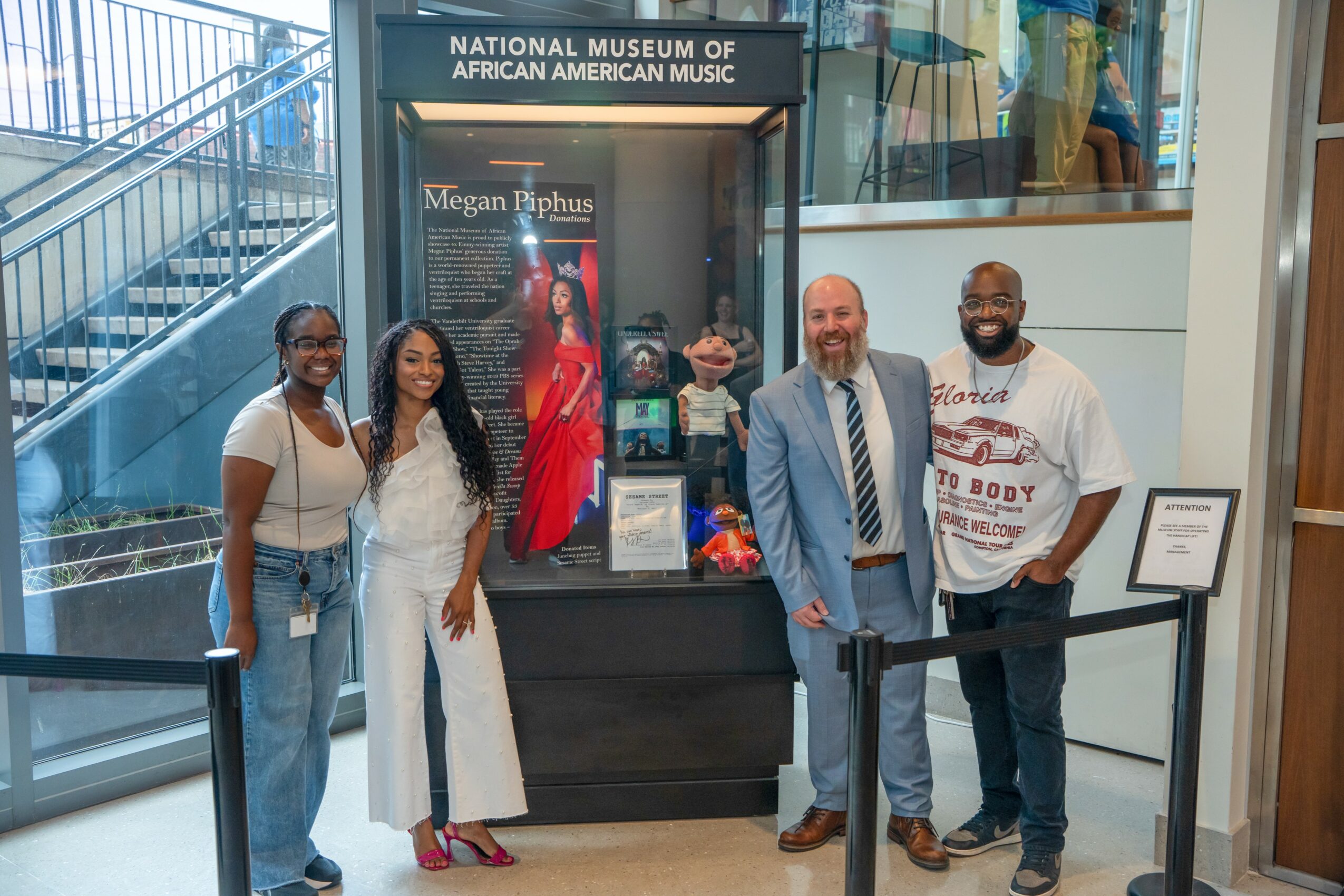
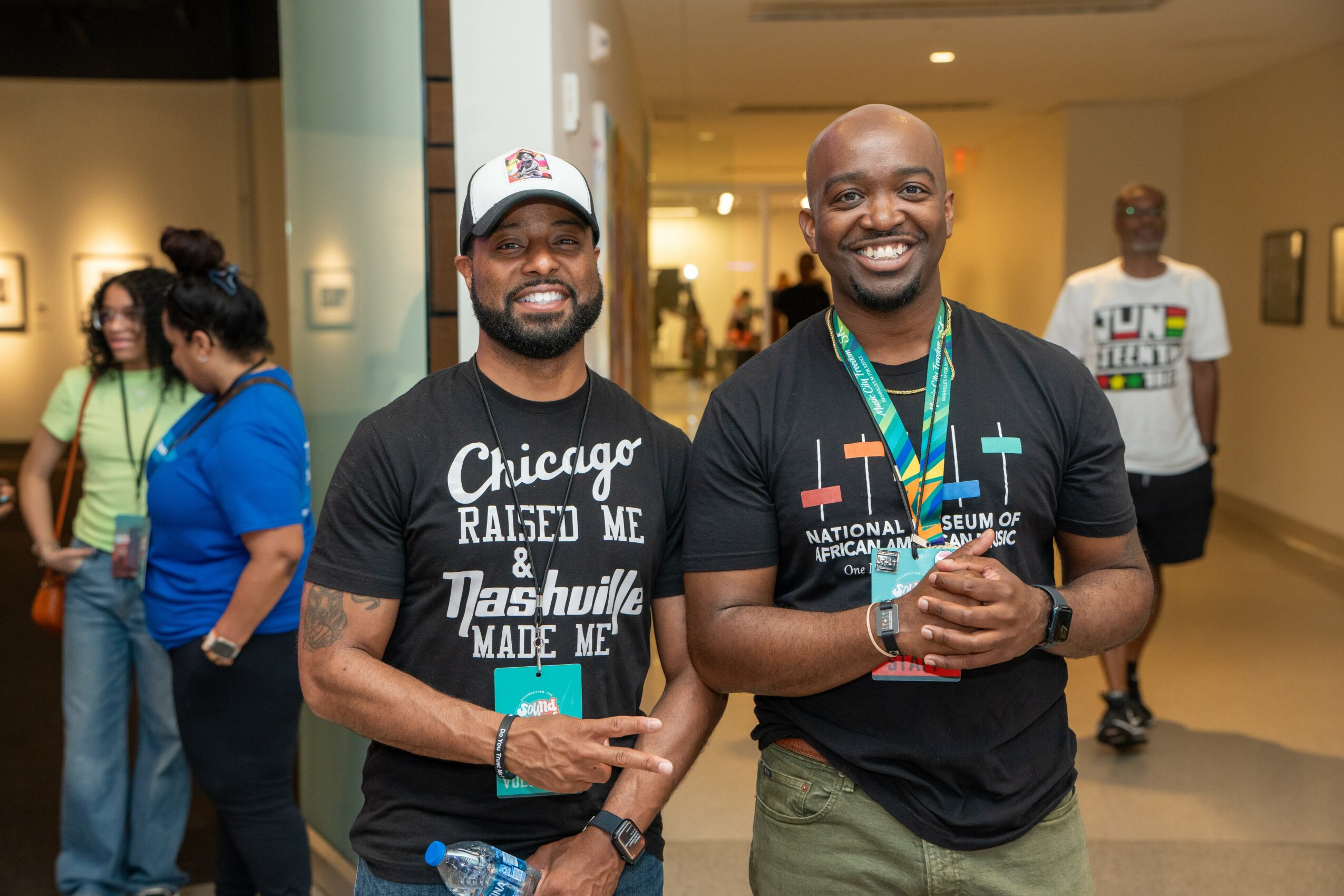
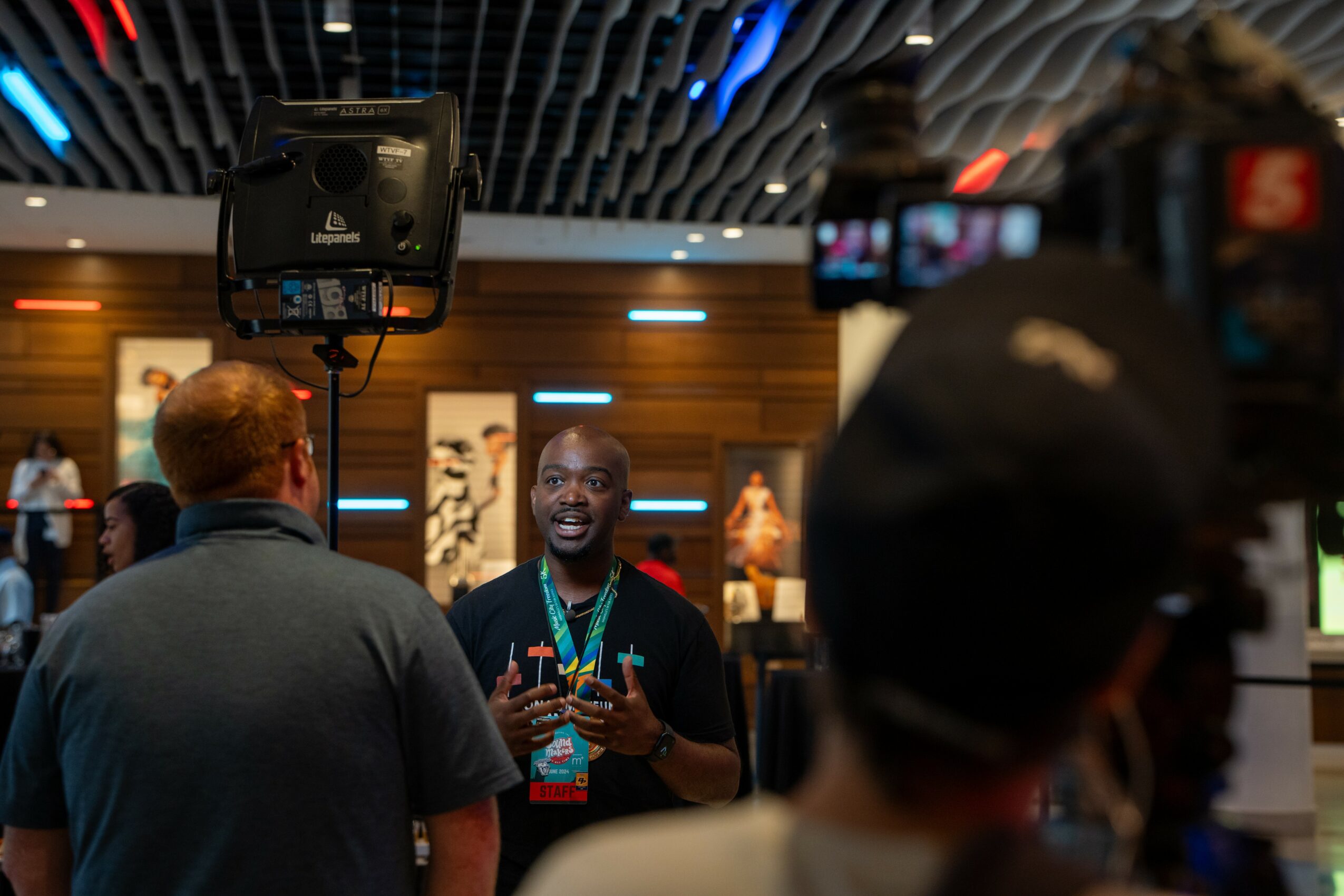
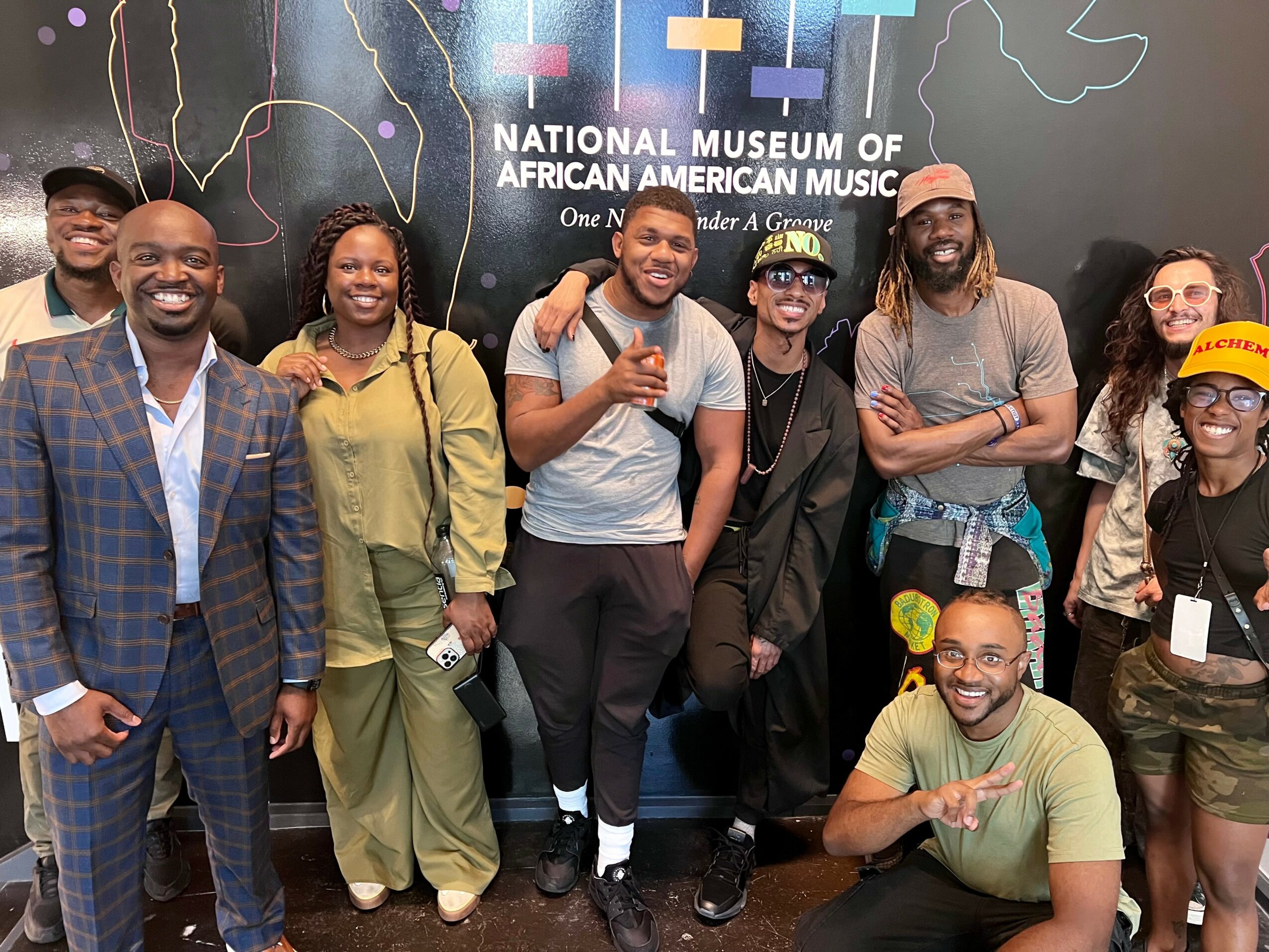
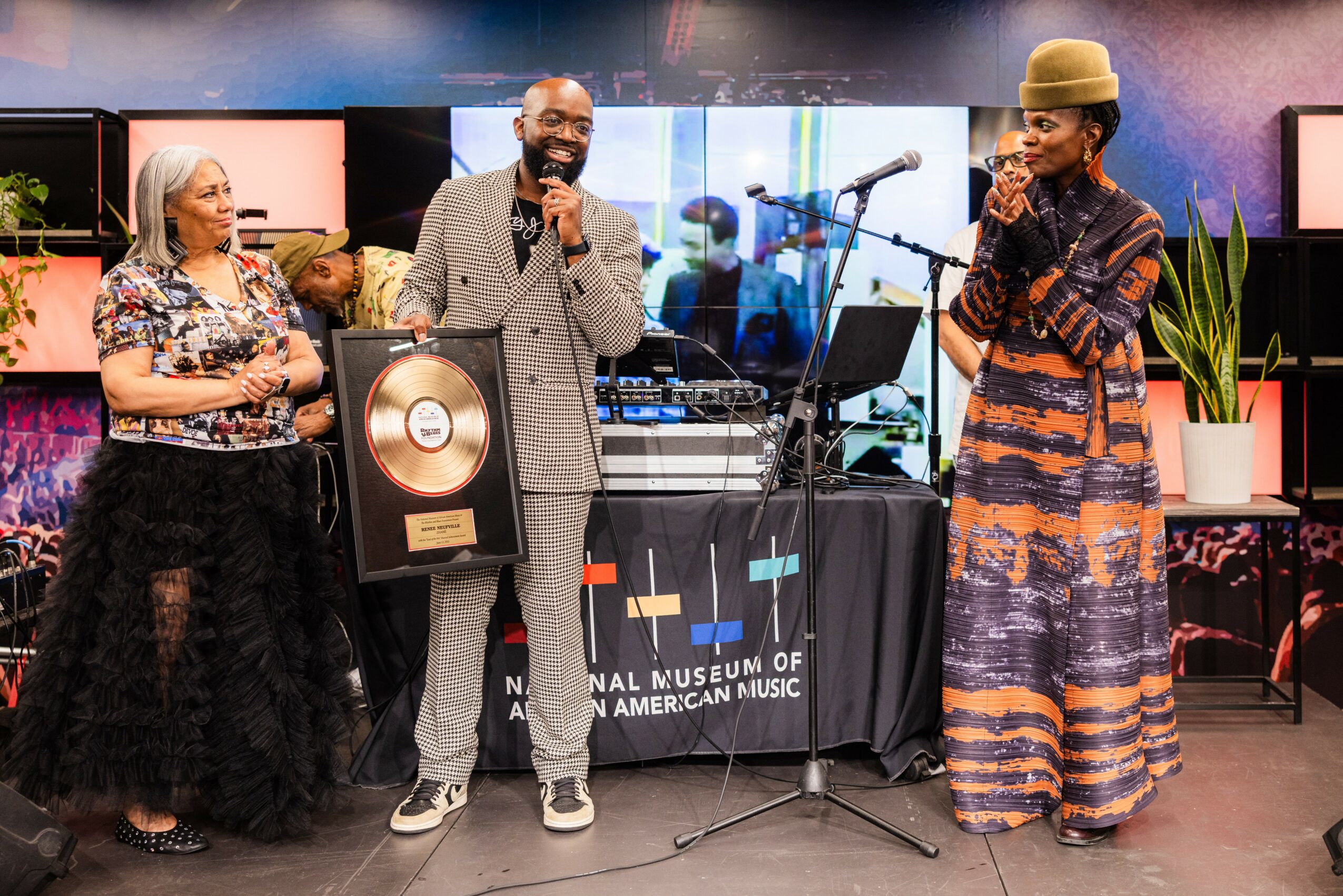
But it was Nashville that changed everything. In 2022, I joined the National Museum of African American Music as Director of Donor Experience. Suddenly I wasn’t just raising money—I was preserving and celebrating the soundtrack of American culture. Leading a $4 million annual fund and managing a $12 million growth campaign, cultivating 150+ major gift prospects, securing commitments from Amazon, Nissan, Pepsi. I created the museum’s current tagline “Where Legends Live Forever” and raised nearly $2 million in my first year. This wasn’t just fundraising; this was ensuring that future generations understand that American music—blues, jazz, gospel, hip-hop—flows through Black hands and hearts.
By August 2023, I was promoted to Director of Development, leading the entire fundraising operation. But the most important decision came in December 2024 when I launched Dexterity Operations—DexOps. After fifteen years of making other people’s visions come to life, I realized I had my own.
DexOps isn’t just another consulting firm. We’re cultural bridge-builders, serving institutions like the National Juneteenth Museum and supporting the early development of the Omega Museum coming to Atlanta through my fraternity, Omega Psi Phi. We’ve served as creative directors for 50+ institutional activations because we understand that authentic culture creates authentic connection, which creates authentic investment.
People call me “Community Dad” to the youth I mentor and “Brother Dex” among my peers. I’m proud of those nicknames because they capture what I’m really about—investing in others’ potential the way mentors invested in mine. From my godmother Diane teaching me to write thank-you notes as a kid, to President Michael Sorrell seeing leadership potential when I was honestly just a knucklehead freshman.
Right now, I’m pursuing my Professional Doctorate in Philanthropic Leadership at Indiana University—part of the inaugural cohort, a Balcius Family Fellow. Not because I need more credentials, but because I believe philanthropy is about to be revolutionized, and I want to help write that next chapter. I’m researching how cultural institutions can better serve communities that have been historically excluded from these spaces.
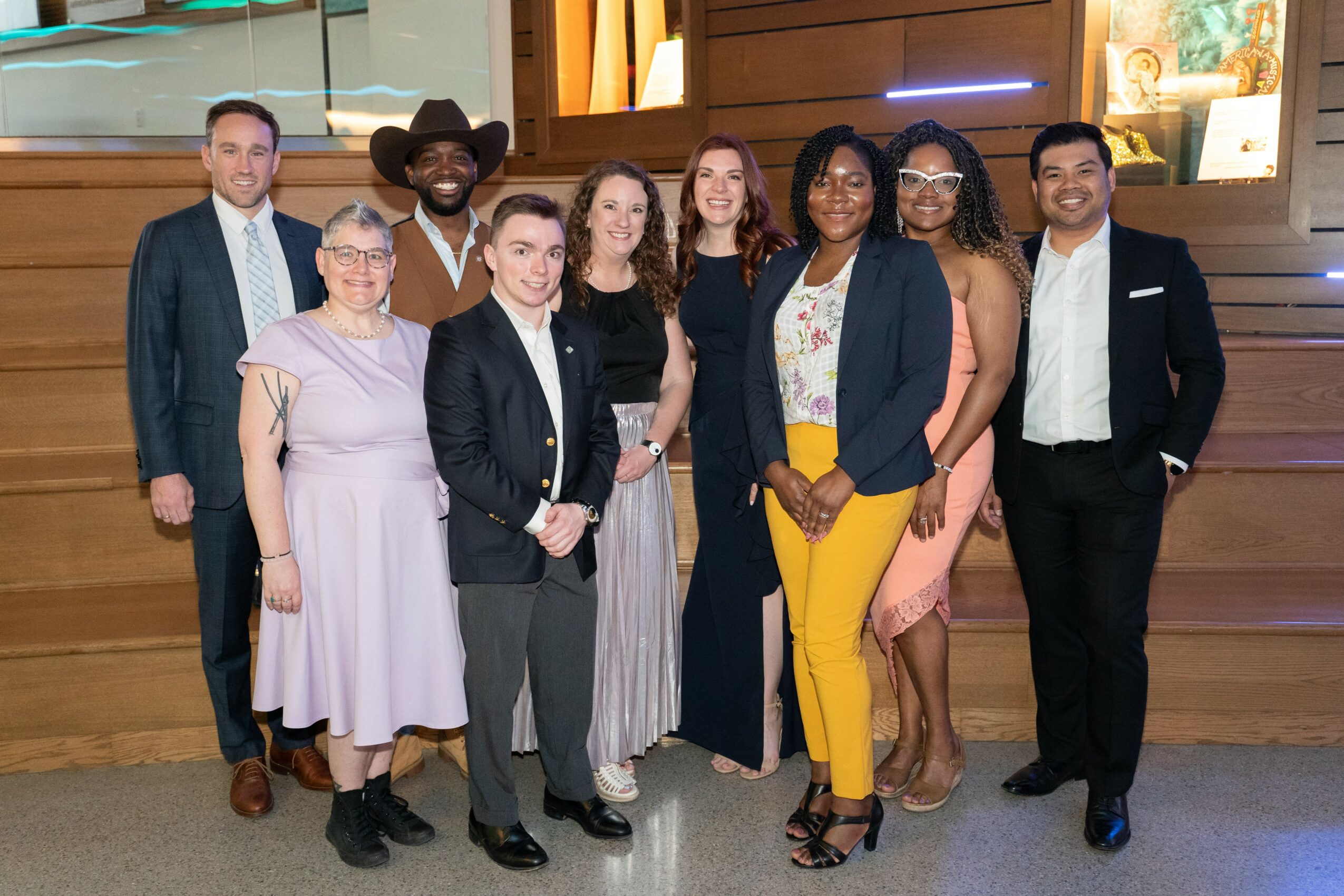
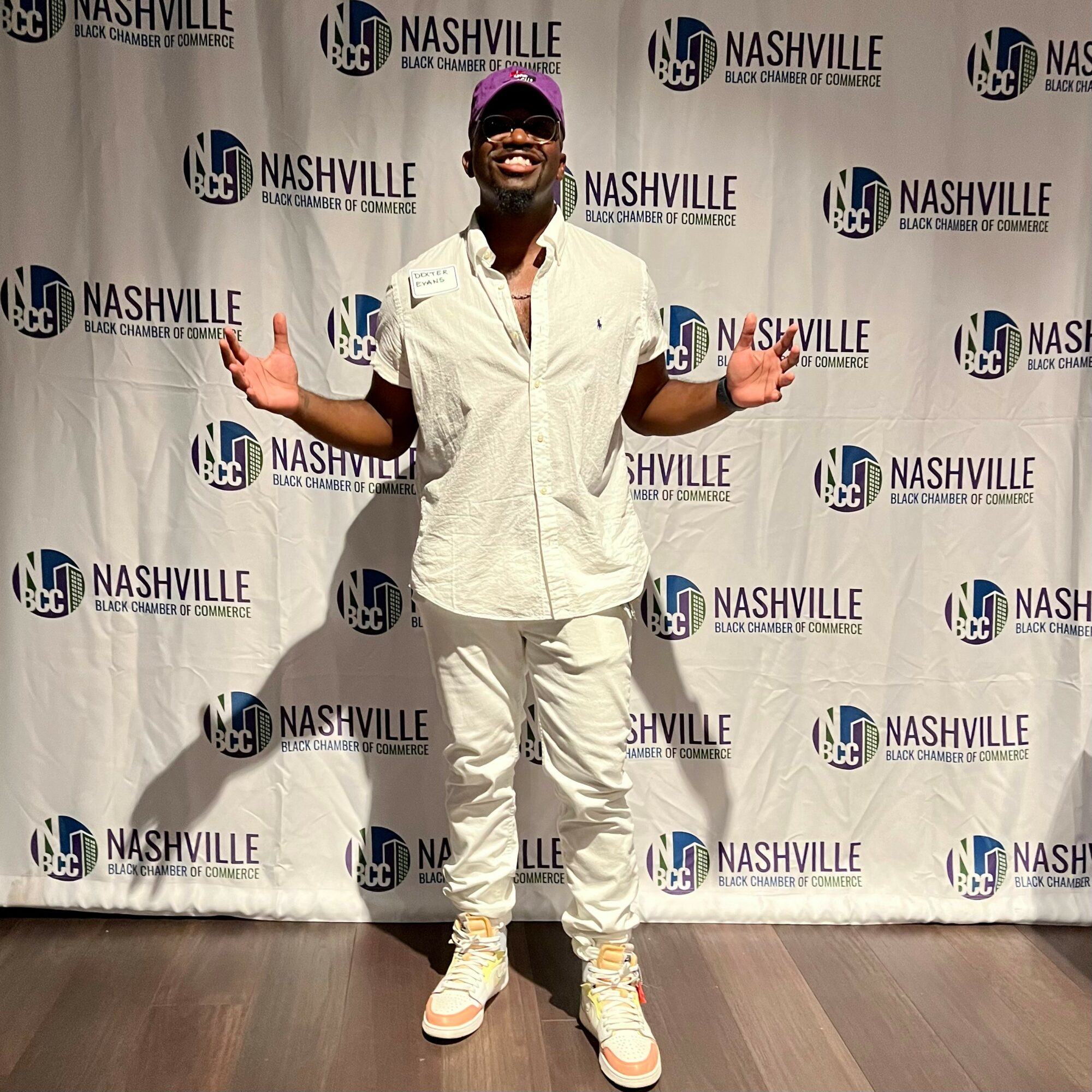
The beautiful irony is that this journey is really just beginning. I’ve generated over $25 million across institutions, been named Nashville Business Journal’s 40 Under 40, serve as Board Chair of Nashville Emerging Leaders, Immediate Past President of Paul Quinn College National Alumni Association. But all of that feels like prologue compared to what’s ahead.
I’m 36 years old, married to Alexandria for seven years—who recently opened a dental practice in Lebanon—and father to two incredible boys, David (4) and Desmond (1). Every morning when we’re getting them ready for their day, I’m reminded that legacy isn’t about what you accomplish personally. It’s about what you make possible for the next generation.
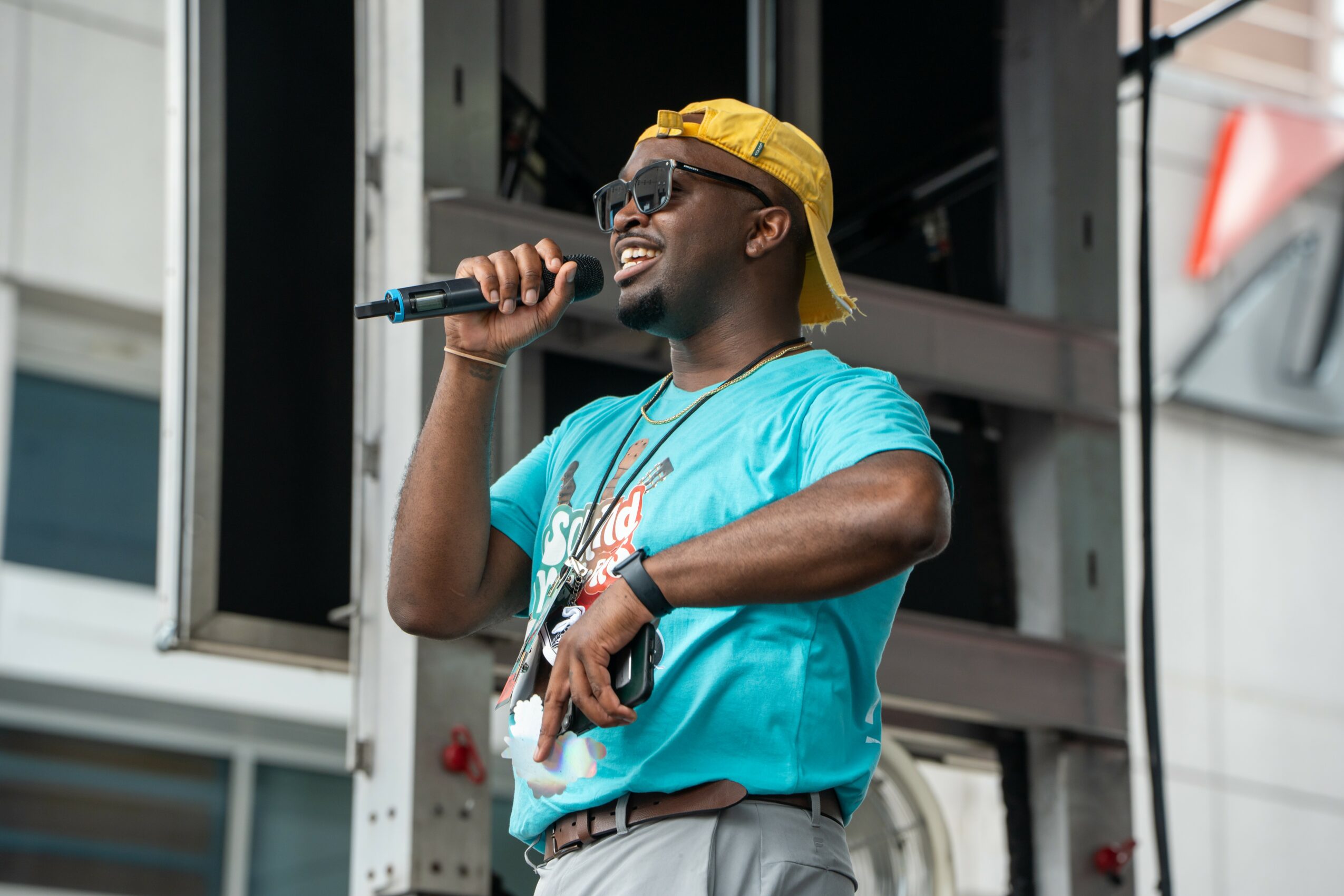
My hobbies tell the real story of who I am: I collect shoes and vinyl records, curate weekly playlists, write handwritten thank-you notes on custom stationery with my wax seal, attend live concerts religiously, cycle the greenways, and strength train. I still perform—I’ve been on 15 stages doing theater, played saxophone since 6th grade. Style matters to me because presentation is communication, music matters because it’s the universal language, and physical fitness matters because this work requires endurance.
Nashville has embraced us completely. This city understands the intersection of culture and commerce, art and impact, tradition and innovation. It’s where a kid from Muskegon Heights can build million-dollar campaigns for institutions that preserve Black musical genius while rocking custom suits and collecting concert t-shirts.
From the Heights to Ivy heights to Music City mogul—but honestly, we’re just getting warmed up. The most exciting chapters are still being written, and Nashville is where it’s all coming together.
We all face challenges, but looking back would you describe it as a relatively smooth road?
Smooth? [Laughs] Not even close. But that’s exactly what made it worth it.
Every major transition tested me in ways I didn’t expect. Moving from Paul Quinn back to graduate school at Penn triggered the deepest depression of my life. Here I was, the first alumnus from my school to attend an Ivy League institution, and I felt completely isolated. The imposter syndrome was crushing—wondering if I belonged in those rooms, if my voice mattered among all that privilege.
What saved me was realizing that my struggles weren’t obstacles to overcome—they were qualifications for the work I was meant to do. That kid from Muskegon Heights who organized protests against environmental racism? That experience equipped me to navigate boardrooms and build bridges between worlds that rarely talk to each other.
The Army Reserve taught me that discipline isn’t about perfection—it’s about showing up consistently, especially when you don’t feel like it. Leading the “We Are Not Trash” movement taught me that your voice has power when you refuse to let others speak for your community. And watching Paul Quinn nearly collapse then transform taught me that institutions can change when the right people decide to fight for them.
Now when I walk into a room of major donors or corporate executives, I’m not intimidated. I’ve been battle-tested. I know what real challenge looks like, and I know I can handle whatever comes next.
The road was never smooth, but it was always preparing me for something bigger.
Thanks for sharing that. So, maybe next you can tell us a bit more about your work?
I build bridges between culture and capital—literally transforming visions into funded realities.
At NMAAM, I’m not just raising money; I’m preserving the soundtrack of American democracy. When I secure a $100,000 gift from a corporate partner or create our “Where Legends Live Forever” campaign, I’m ensuring that future generations understand that American music flows through Black hands and hearts. We’ve raised over $8 million in commitments because people understand they’re not just supporting a museum—they’re investing in cultural truth-telling.
Through DexOps, I’m scaling this approach across institutions that matter. We’re working with the National Juneteenth Museum, supporting the Omega Museum’s development in Atlanta, serving as creative directors for activations that celebrate authentic culture. I call it “cultural philanthropy”—the understanding that when you fund art, music, and storytelling, you’re funding democracy itself.
What sets my approach apart is relationship-first strategy. I don’t just ask for money—I invite people into movements. The African Ancestry collaborative campaign we launched raised $15,000 not because we had the slickest presentation, but because we connected people’s desire to know their roots with our mission to preserve musical heritage.
My doctoral research on HBCU equity funding is the policy side of this work. I’m studying how Tennessee State University can achieve fair state funding using the Maryland HBCU case as precedent. It’s a 15-year project, but that’s the timeline real systemic change requires.
I’m not just a fundraiser—I’m a movement builder who happens to be really good at generating revenue.
What was your favorite childhood memory?
Being five years old at my godmother Diane’s house. TV off, cool jazz playing softly in the background, her reading while I wrote and created cards for the people I loved, or we’d work on puzzles together. No pressure, no agenda, just the simple ease of life with little responsibility.
Those weekends taught me that the most profound connections happen in quiet moments when you’re fully present with someone who believes in you. That’s still how I approach relationships today—whether I’m writing thank-you notes to donors, mentoring young professionals, or building campaigns around authentic storytelling. The best work happens when you turn off the noise and focus on what really matters: human connection.
Contact Info:
- Website: https://www.dexterdevans.com
- Instagram: https://www.instagram.com/dexterdevans
- LinkedIn: https://www.linkedin.com/in/dexterdevans
- Other: https://www.nmaam.org