



Today we’d like to introduce you to Roy Sedrick Foster III.
Hi Roy Sedrick, so excited to have you on the platform. So before we get into questions about your work-life, maybe you can bring our readers up to speed on your story and how you got to where you are today?
I grew up in Amory, Mississippi. My grandfather had a furniture manufacturing shop, and I spent years there before I was ever thinking about art, learning how wood and fabric behaves, how surfaces respond, what it takes to make something that holds together. From there I moved into steel forging, then leather craftsmanship. Nearly two decades of that kind of work.
The history matters to me because it’s where my relationship to material actually came from. Not from school, not from studying art but from working with resistant things, learning when to push and when to stop. By the time I started painting, I already had a physical intuition for surface that I didn’t have language for yet.
A few years back, I stripped a lot out of my life, social media, constant noise, the general speed of things. I visited a friend who had become a monk, and something about the way he moved through the world stayed with me. Painting became a way to sit with that. To be still. To work slowly and let the work lead me.
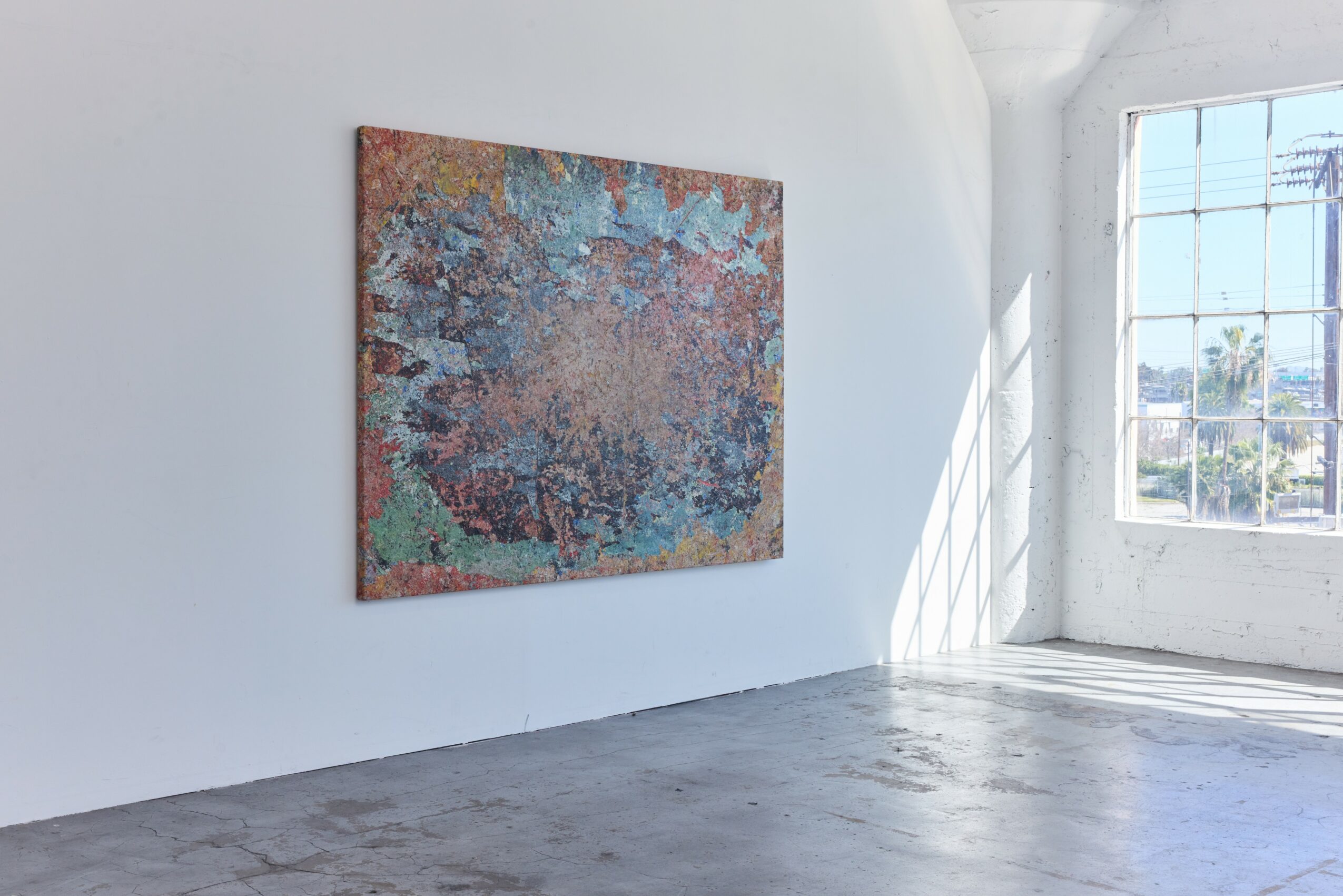
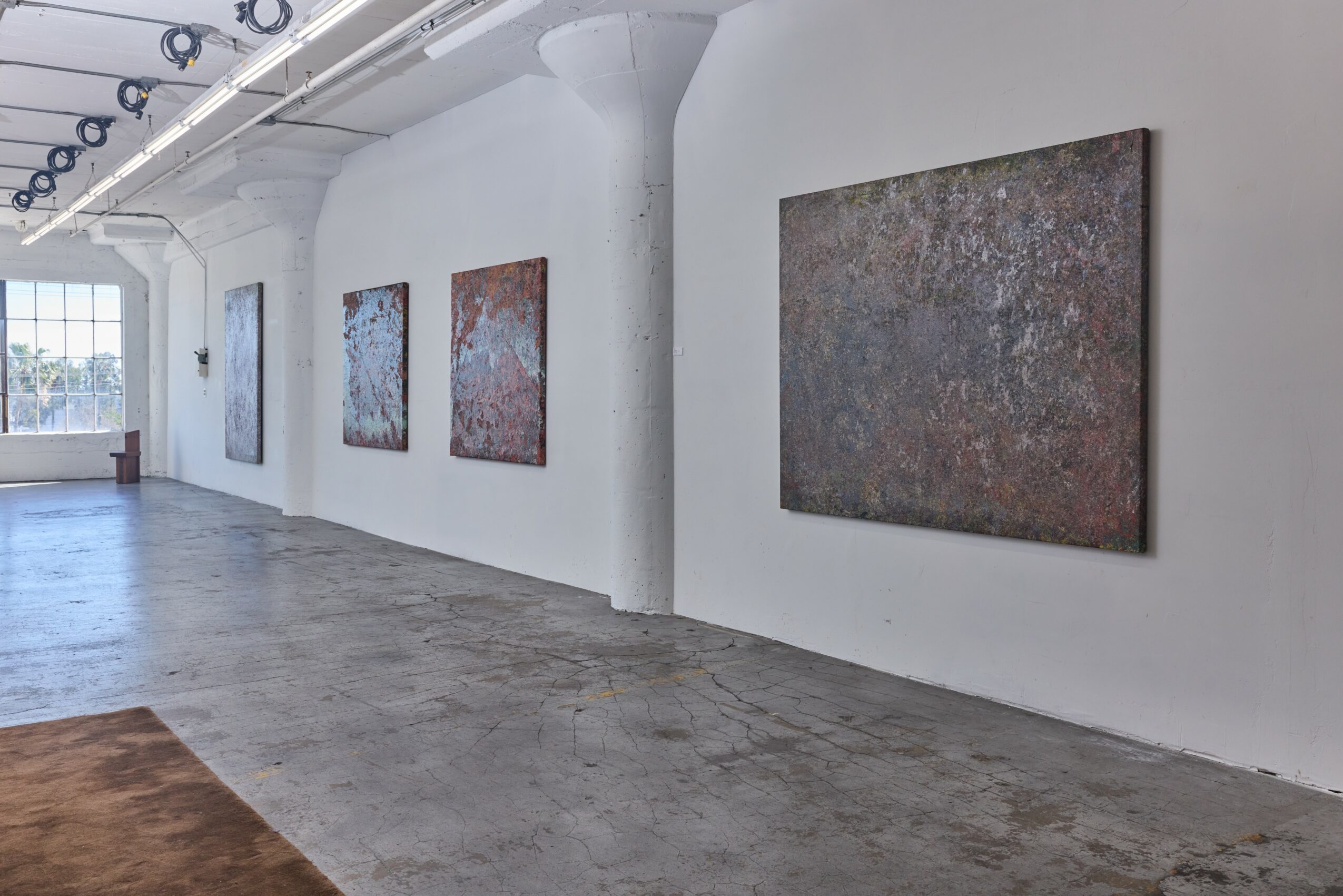
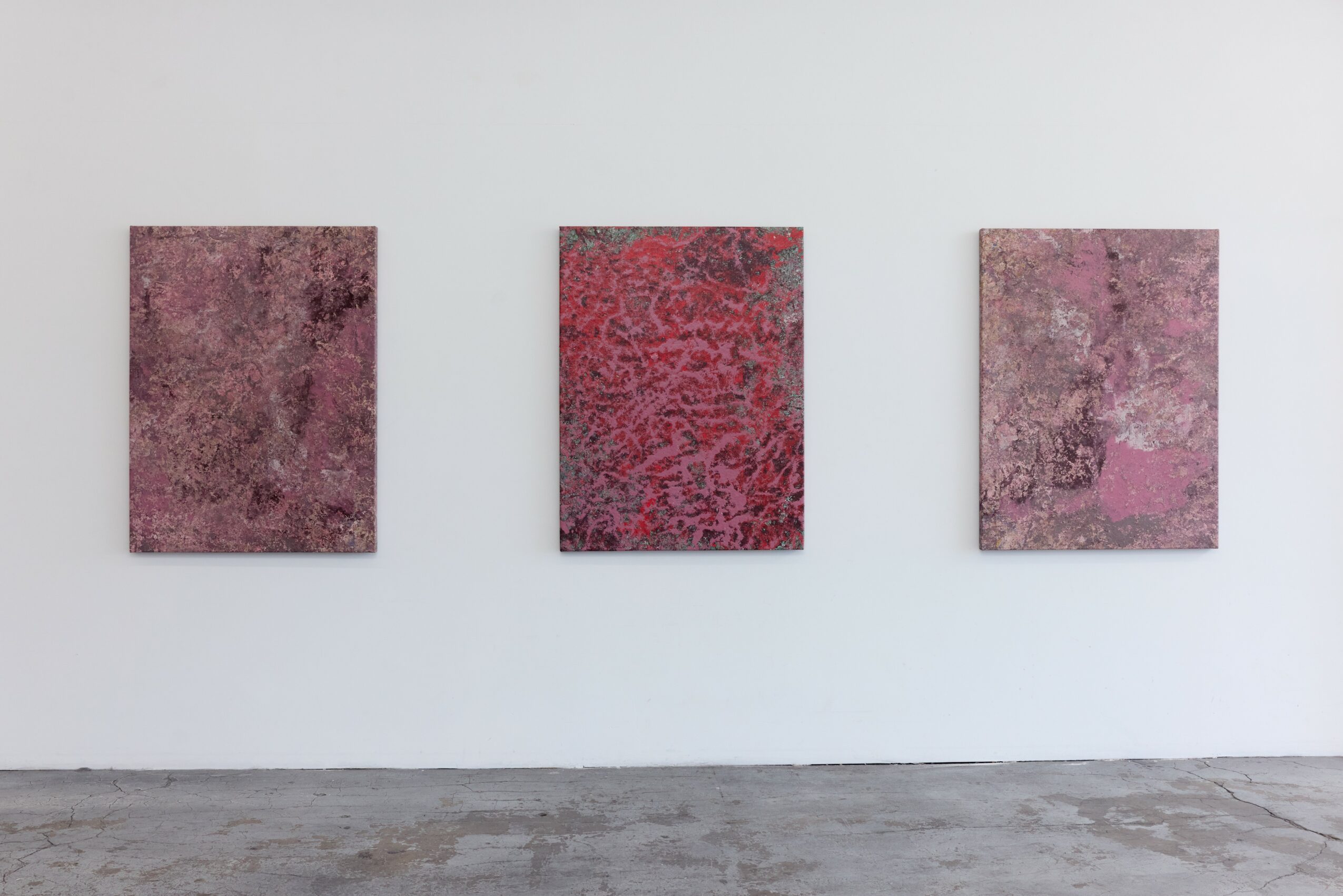
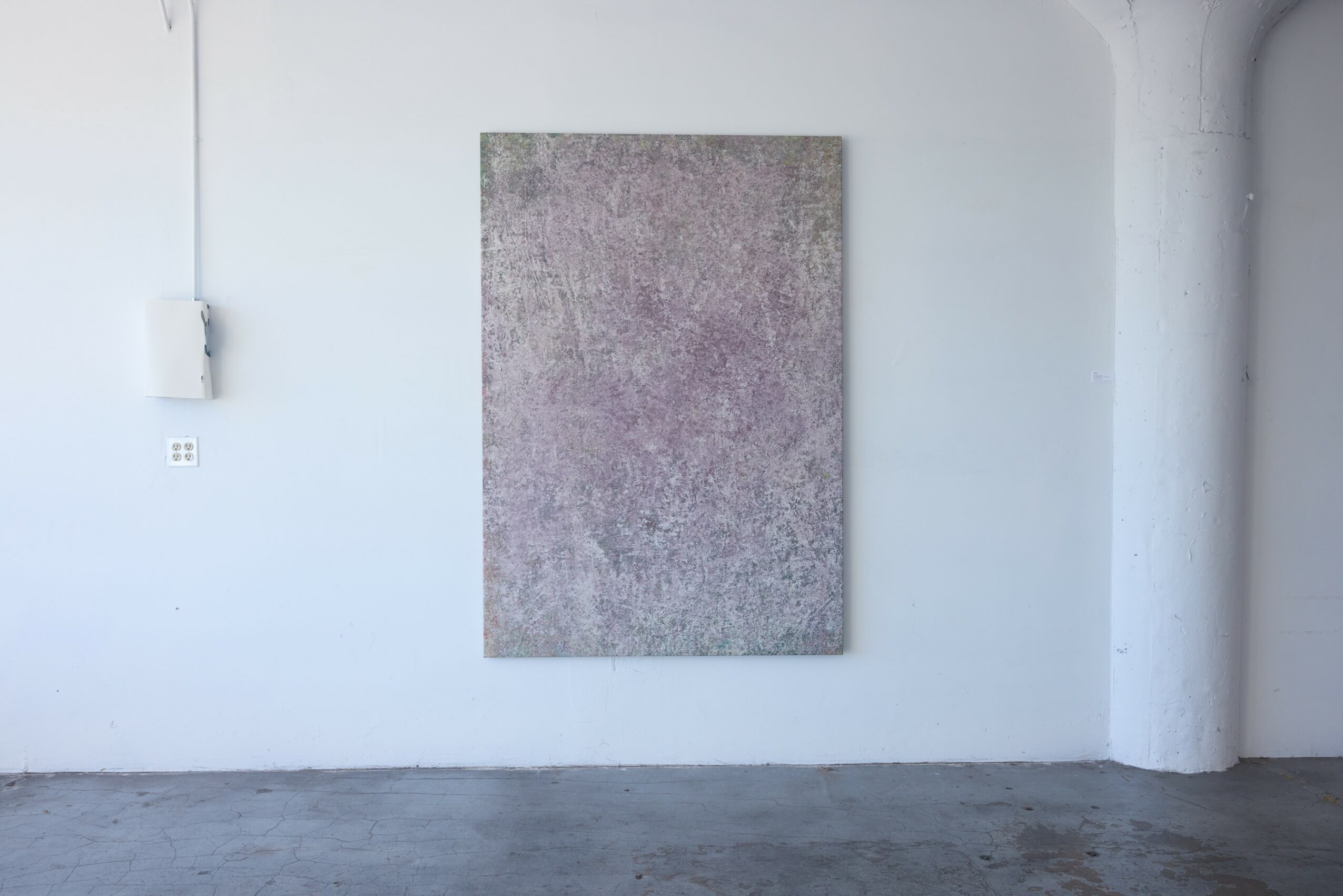
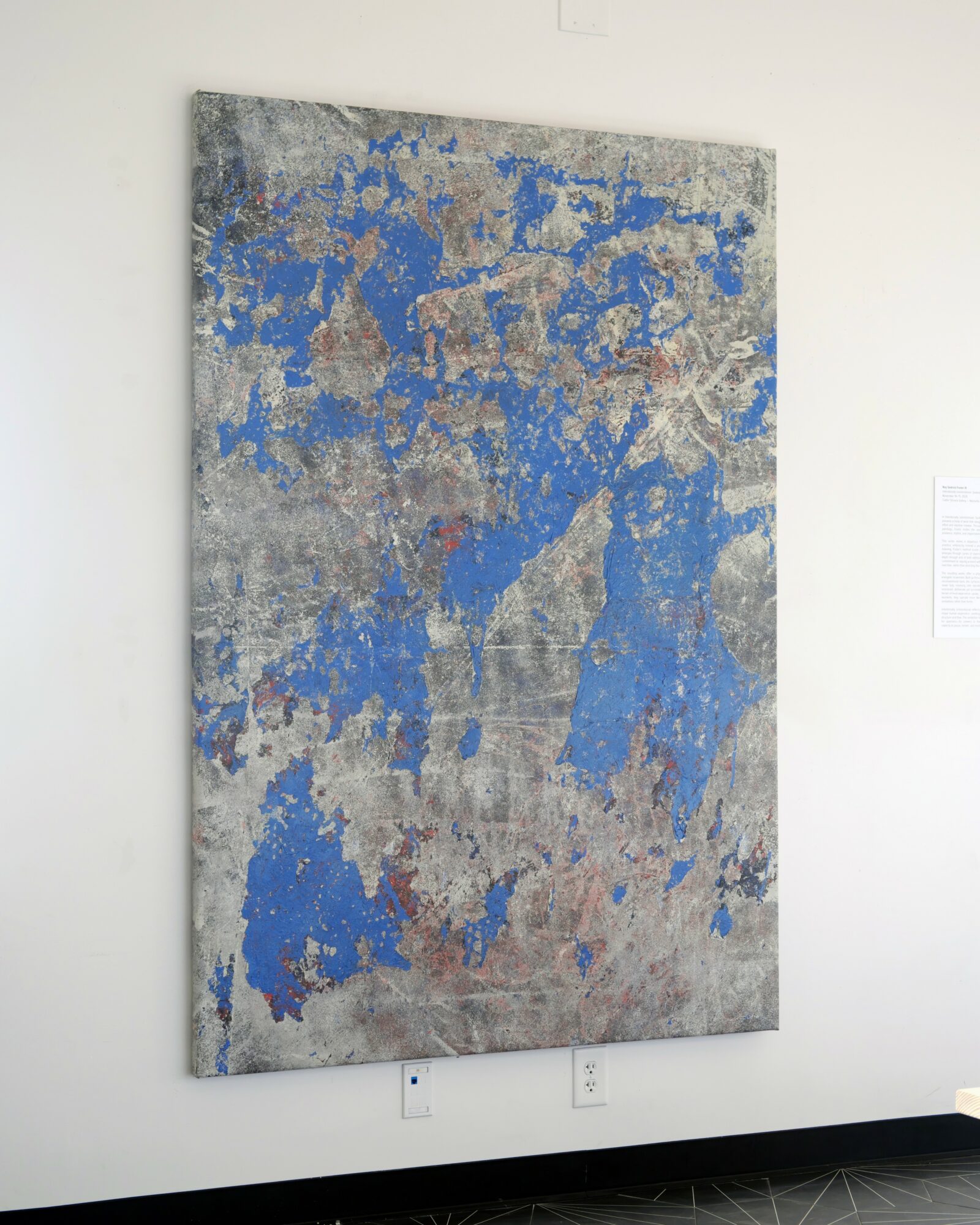
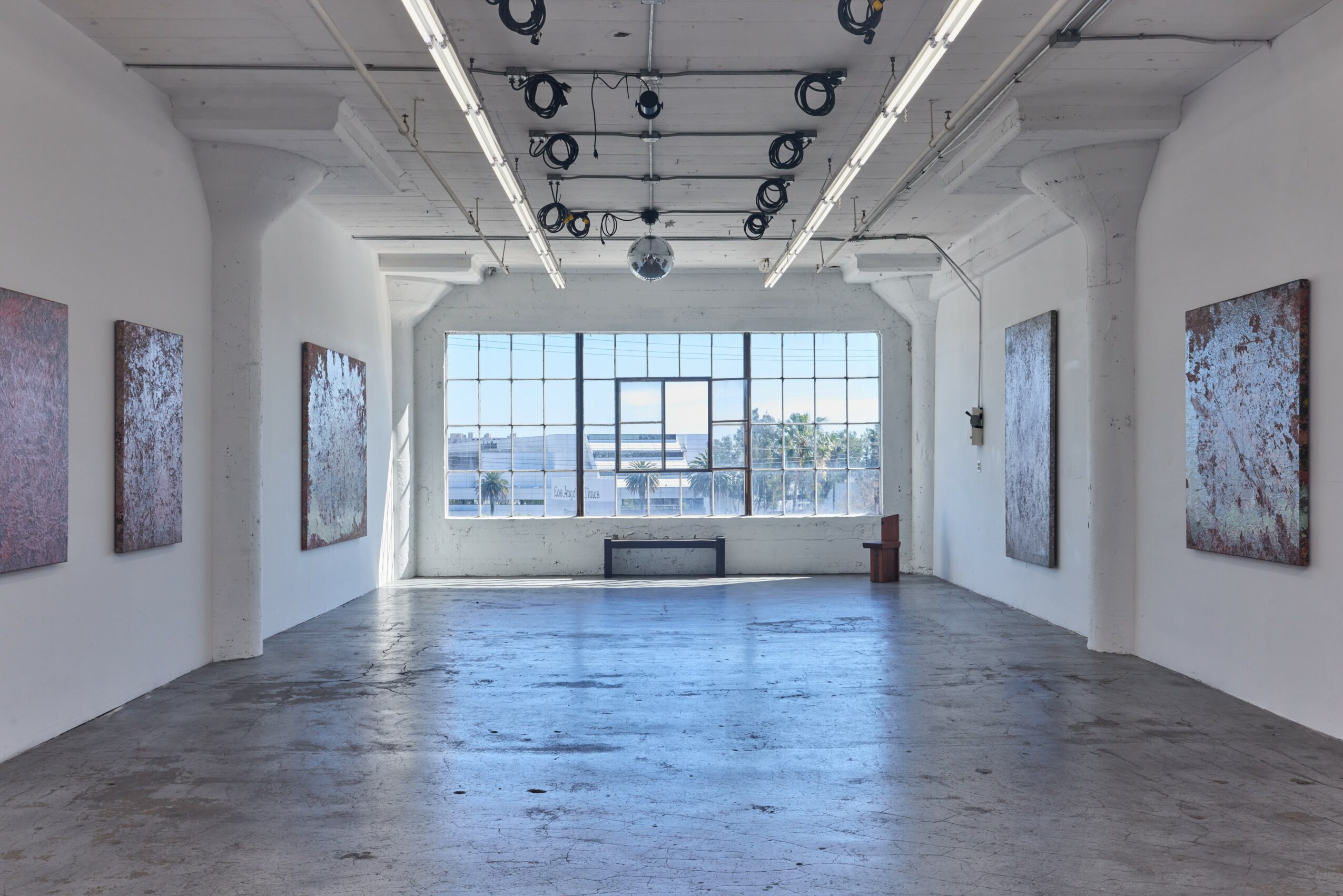
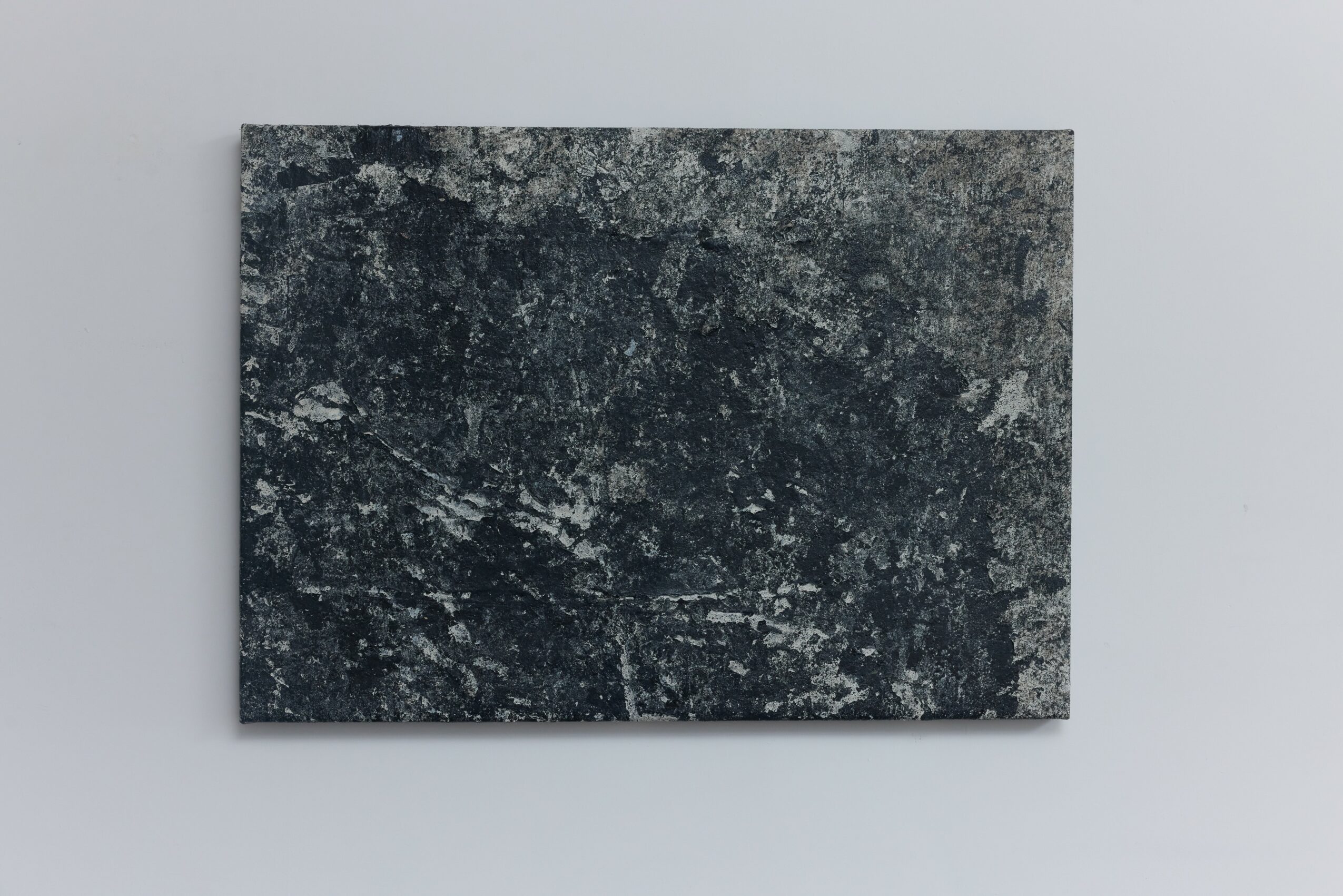
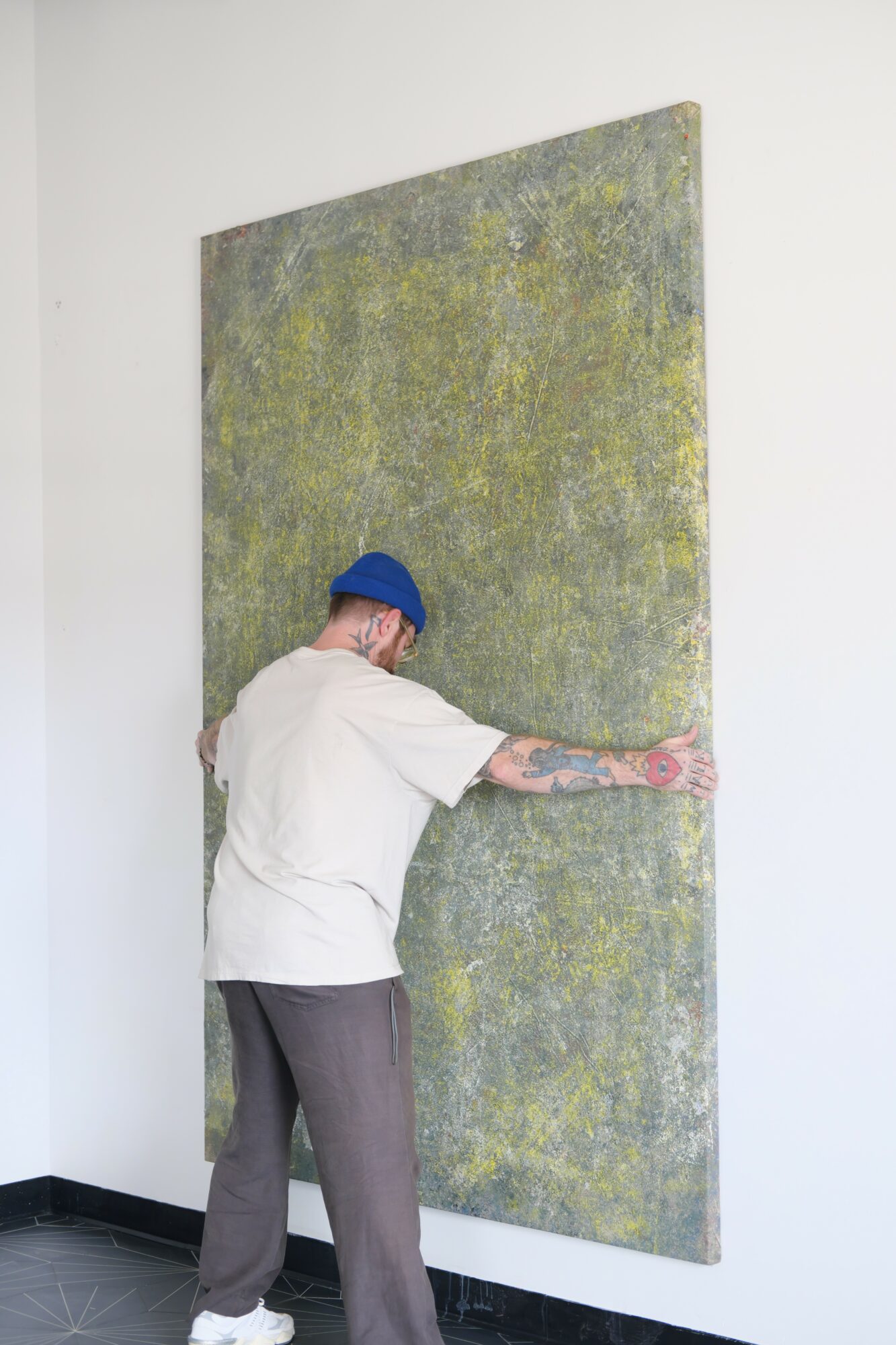
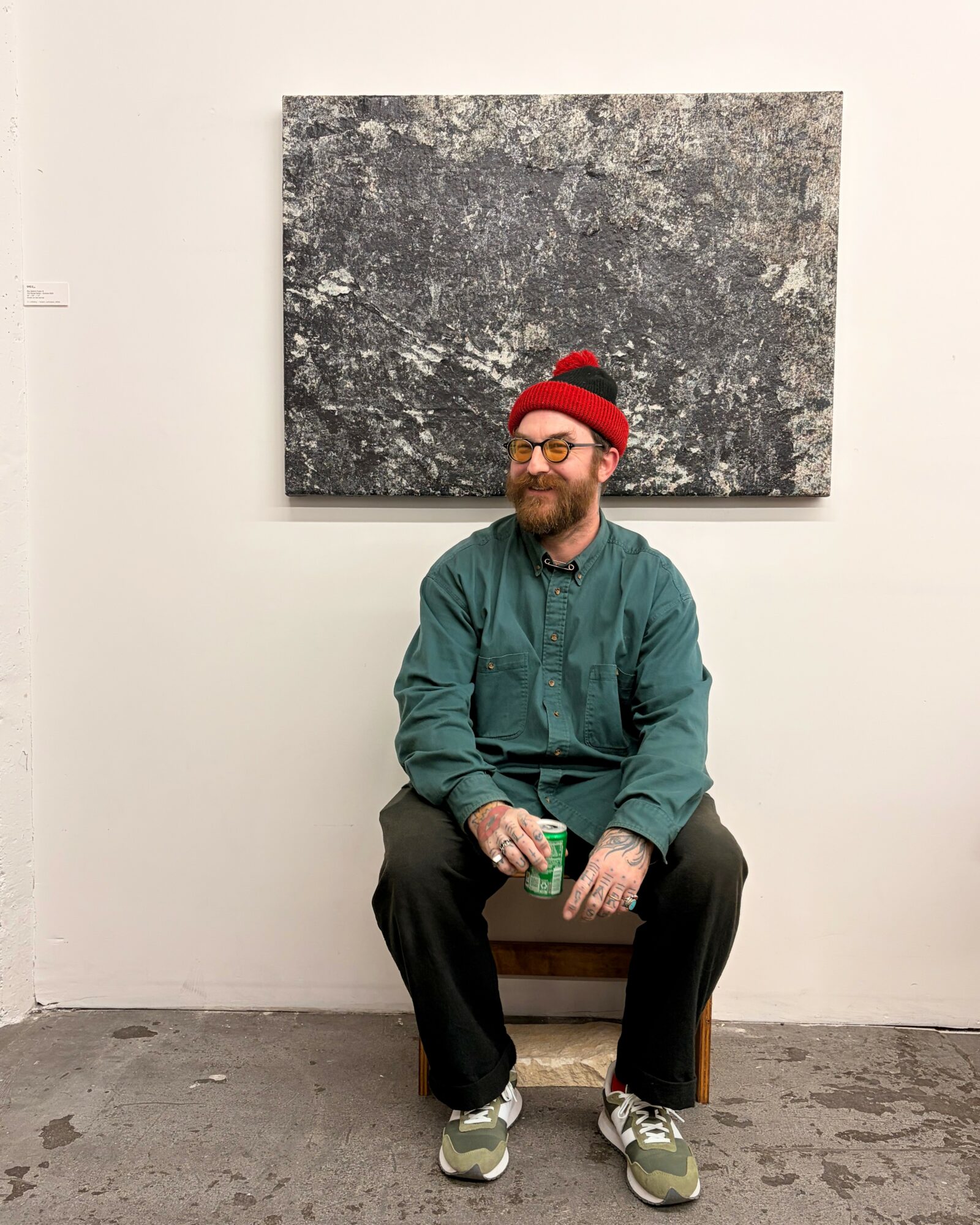
The process I’ve developed is essentially erosive. I work on raw, unprimed canvas, building up thick layers of acrylic and then excavating back through them, peeling back to expose what’s underneath. The finished surfaces end up with this chalky, almost mineral quality, with earlier colors surviving as faint traces beneath. I hang the work unframed, edges raw, and in a room they register less like pictures than like objects, sections of weathered wall, something unearthed.
I live and work in Nashville now. The current body of work, a series called Intentionally Unintentional: Seeking & Surrender, has been shown here and in Los Angeles over the past year. I’m still in the middle of it, still building and stripping back, still figuring out where it’s going.
Can you talk to us a bit about the challenges and lessons you’ve learned along the way. Looking back would you say it’s been easy or smooth in retrospect?
One of the biggest challenges has been learning to trust the process before there was any external validation for it. A lot of the work happened quietly and privately for a long time, creating consistently without knowing where it would lead, whether people would connect with it, or how it would fit into my life.
Another challenge was learning to slow down. A large part of my journey into painting came from intentionally stepping away from a lot of noise and trying to reconnect with presence and intuition, creating with my hands again. That shift changed not only my relationship with art, but my relationship with myself.
There’s also a real vulnerability in sharing deeply personal work publicly. Painting started as something internal and meditative, so learning how to let people into that process while still protecting the integrity of it has been an ongoing balance.
More than anything, the challenge has been surrendering the need to force outcomes, and continuing to show up for the work anyway.
Can you tell our readers more about what you do and what you think sets you apart from others?
I make abstract paintings that are meant to slow people down. The work isn’t narrative, there’s no image to decode, no story to follow. What I’m after is an emotional atmosphere: tension and softness existing together, intention and accident, movement and stillness held in the same surface. Layers that carry evidence of time and process. Something you feel before you understand it.
The paintings are identified through a private system of Greek letters, numbers, and subscripts, coordinates in an ongoing personal index rather than descriptive titles. It’s a way of leaving space for the viewer’s own associations without closing the door on meaning.
I’m most associated with my exhibition series Intentionally Unintentional: Seeking & Surrender, which has shown in Nashville and Los Angeles.
What I’m most proud of is developing a body of work that’s genuinely my own, not shaped by trends or a desire to fit a particular market, but by lived experience and an ongoing commitment to showing up honestly for the process.
So, before we go, how can our readers or others connect or collaborate with you? How can they support you?
The most direct way to support the work is to engage with it genuinely, attending exhibitions, sharing it with people you think it would resonate with, or collecting a piece that means something to you. Following along online is also a real form of support; most of what’s happening in the studio shows up first on Instagram at @rsfoster_.
For those interested in acquiring work or commissioning something, I’m available through my website at roysedrickfoster.com or by email at roysedrickfoster@gmail.com. I’m open to commissions and enjoy the conversation that comes with them.
I’m also open to collaborations, with galleries, curators, interior designers, architects, brands, and creative spaces that connect with the spirit of the work. Some of what I’m most interested in exploring goes beyond conventional wall presentation: immersive environments, texture, sound, projection, experiences designed to slow people down and bring them into the present. If that kind of project is on your radar, I’d love to hear about it.
More than anything, I value genuine connection over transaction. Some of the most meaningful opportunities I’ve had came through community, relationships, and shared curiosity rather than formal channels. If something resonates, reach out.
Contact Info:
- Website: https://roysedrickfoster.com/
- Instagram: https://www.instagram.com/rsfoster_/