


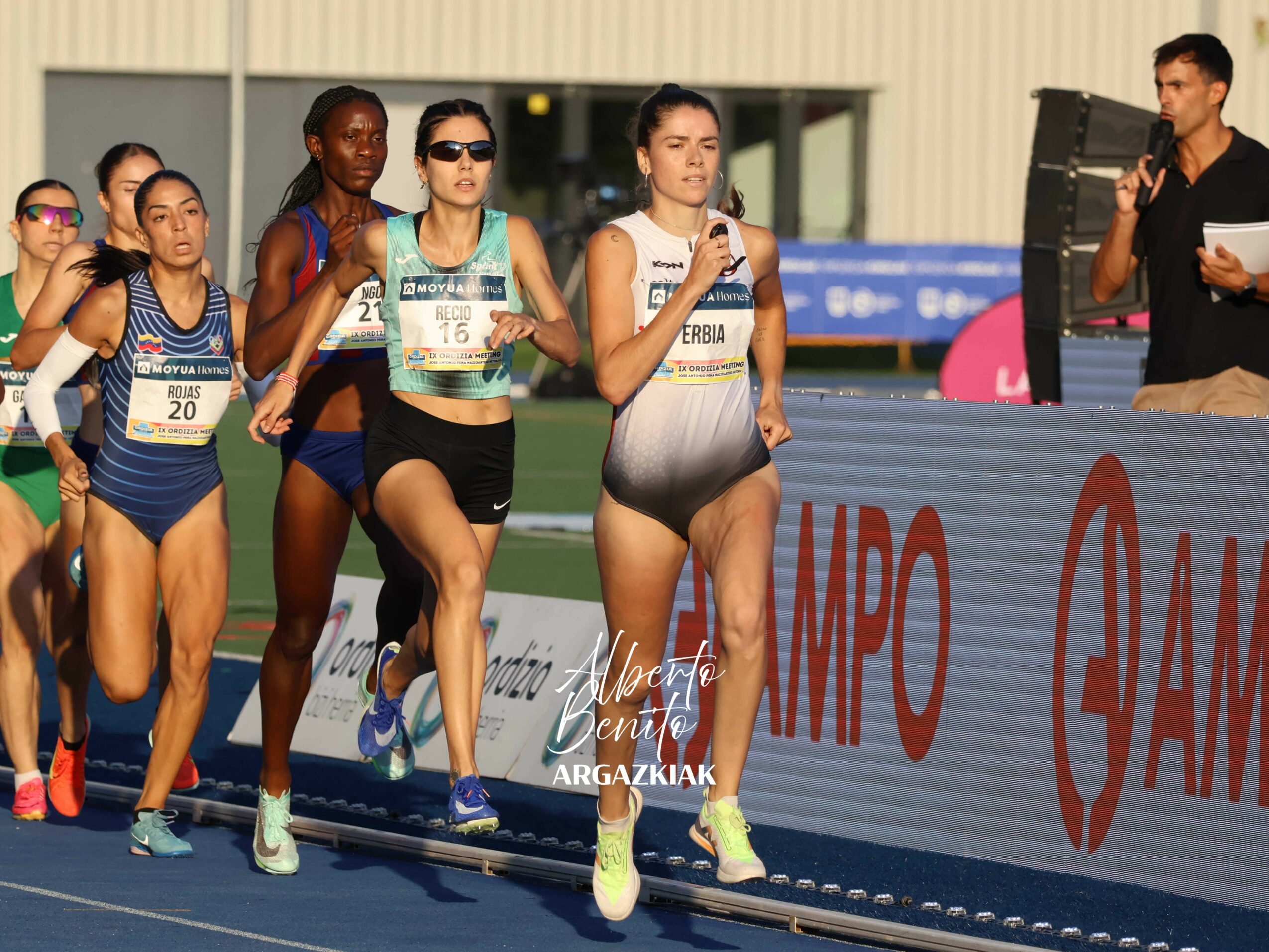
Today we’d like to introduce you to Alicia Recio.
Hi Alicia, can you start by introducing yourself? We’d love to learn more about how you got to where you are today?
Period in female athletes is undervalued
As a female distance coach, and as an athlete myself, I’ve seen how the menstrual cycle deeply influences performance, recovery, and overall well-being. Many female athletes today still train without considering their cycle, often leading to unnecessary fatigue, lack of mobility, or even injury.
From my experience, the first days of the period are when the body is at its lowest hormonal point. Flexibility decreases, everything feels heavier, and muscles tend to fatigue more quickly. Instead of pushing through these signals, I believe it’s essential that we listen to our body and slightly reduce the training load during this phase. Althought, giving the body what it needs when hormones are at their lowest, allows athletes to fully take advantage of the phases. Also when the hormones rise again strength, energy, and performance naturally increase.
Ignoring the body during these low-hormone days doesn’t make an athlete stronger; however it increases the risk of injuries, overtraining, and a negative relationship with training. My journey as both coach and athlete has shown me the power of aligning training with the menstrual cycle. When we respect our natural rhythm, athletes not only perform better but also develop a healthier relationship with the sport.
Alright, so let’s dig a little deeper into the story – has it been an easy path overall and if not, what were the challenges you’ve had to overcome?
It definitely hasn’t been a smooth road. From my own experience as an athlete, there were many moments when I forced myself to train although my body felt heavy, stiff, and exhausted, sometimes dealing with cramps, low energy, and many of the menstrual cycle symptoms. I used to ignore these signs because I felt guilty for missing a session. Feeling guilty is very common among athletes, especially women, who often feel that resting means losing performance.
Learning to letting go that feeling has been a lesson. For a long time, I pushed through discomfort thinking it would make me stronger to don´t miss practice, but in reality it worked against me. Not listening to my body only increased fatigue, affected my performance, and sometimes even led to injury.
Through experience and a deeper understanding of my own cycle, I’ve learned that missing a training session it is not a setback, it’s an investment. Now I know that if I respect those low-hormone days, I can train harder, recover better, and perform at a higher level when my body is ready. Ignoring those signs would only put me on the wrrong path.
This journey has shaped the way I coach. I want my athletes to understand that rest is not weakness, and that listening to their bodies is one of the most powerful tools they have. It took time for me to learn this for myself, but it’s one of the most valuable lessons.
Can you tell our readers more about what you do and what you think sets you apart from others?
I work as a coach for different age groups, from youth categories to adults and older adults. I truly enjoy adapting training to each stage of life, understanding how every athlete’s needs, goals, and motivations develop over time. Coaching is not just my profession; it’s something I’m genuinely passionate about. At the same time, I’m studying to become a physical education teacher, because I want to bring movement, health, and sport into the school environment as well.
What I’m most proud of is my ability to become stronger through every challenge. Life isn’t easy, and like everyone, I’ve faced difficult moments. But track, and the people I share this sport with have always helped me to push forward, stay grounded, and fight for what I want. That resilience is something I carry into my work every day.
I believe what sets me apart as a coach is the way I combine personal experience with empathy. I understand what it feels like to struggle, to push, to doubt, and to grow. I don’t just build training plans; I try to build confidence, self-awareness, and a healthy relationship with sport. I pay close attention to each athlete’s physical and emotional needs, especially women, helping them learn to listen to their bodies instead of fighting against them.
For me, being a coach is not just about improving times or results, it’s about building people to become stronger versions of themselves and get them ready for their futures. And that’s what I love most about what I do.
Who else deserves credit in your story?
I’m very grateful for the people who have supported me through my journey. My family, my friends, and my coach are the ones who are on my daily life, celebrating the good moments and helping me navigate the difficult ones. Their support gives me stability, motivation, and the confidence to keep growing.
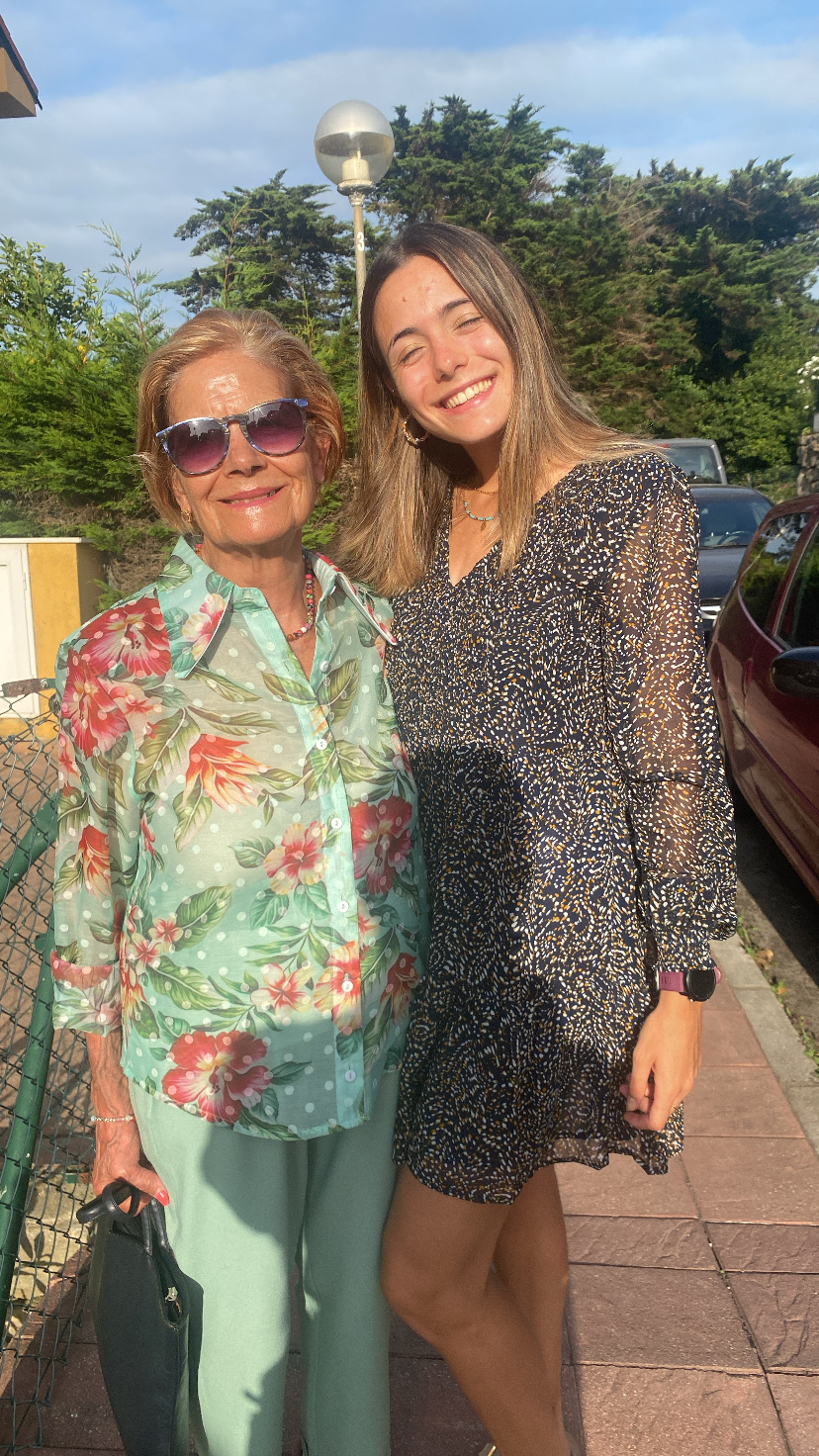
There’s also someone very special who has played a huge role in my life: my grandmother. She has always been the person I could count on when things felt overwhelming. Calling her and telling everything, somehow she made my problems feel less important. She taught me strength, patience, and resilence, qualities that I nowdays carry on in my life.
Contact Info:
- Instagram: https://www.instagram.com/aliciarecsam/