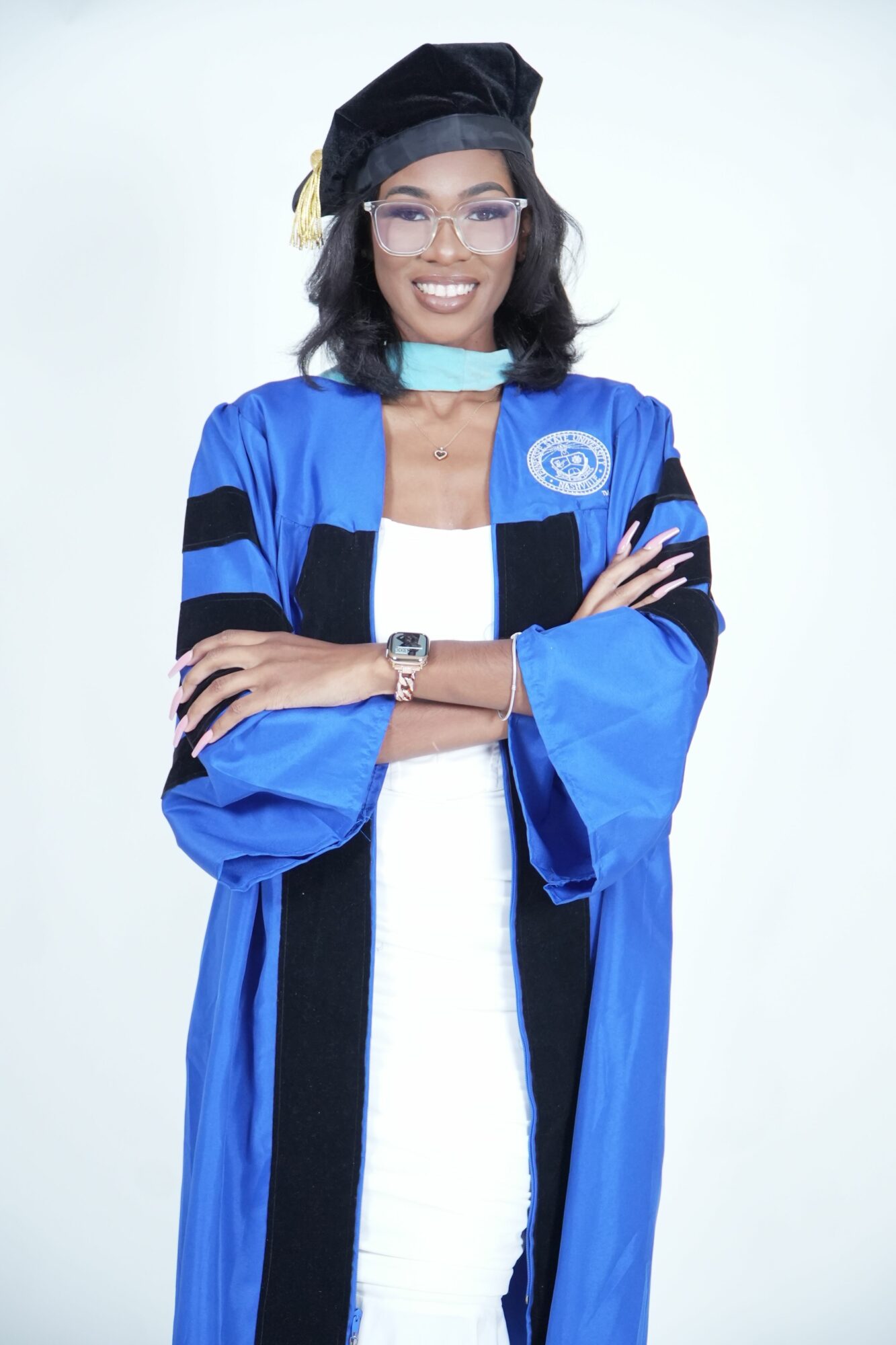





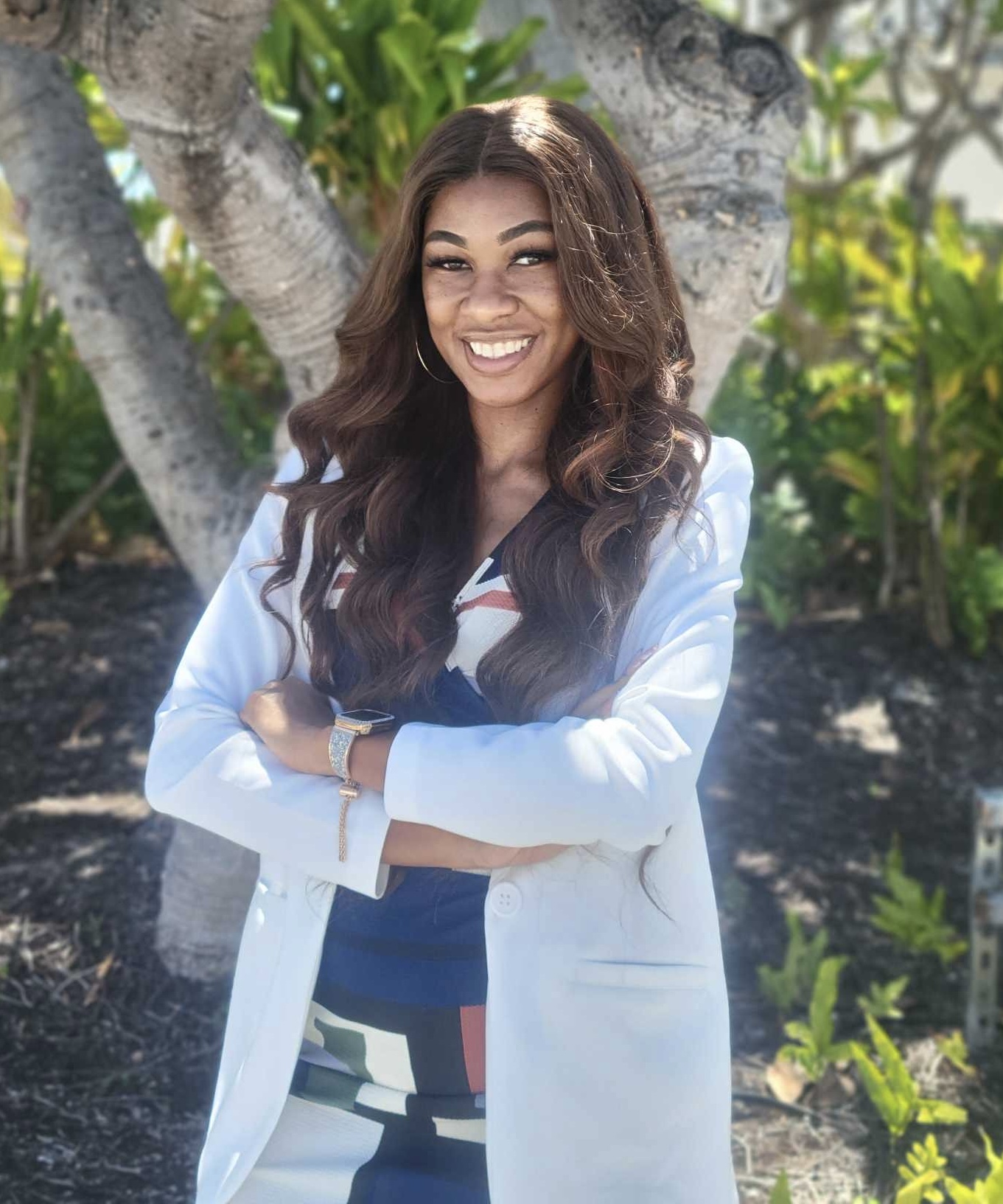
Today we’d like to introduce you to Dr. Roneisha Simpson.
Dr. Roneisha, we appreciate you taking the time to share your story with us today. Where does your story begin?
My journey into forensic psychology is personal and shaped by the people who supported me along the way. I grew up with my great-grandmother, who progressed with Alzheimer’s, and those early experiences taught me empathy, resilience, and how to advocate for others. I was blessed to have a village that stepped in. Families in my neighborhood—the Zink-Dudas, and the Grawers—helped me navigate the college application process and pushed me toward opportunities I might not have recognized on my own.
As a first-generation college student, I learned early how to advocate for myself, secure funding, and navigate systems that were unfamiliar to me. That determination carried me through my bachelor’s, master’s, and eventually my doctorate in Counseling Psychology, Tennessee State University. Over time, I realized my strengths aligned with forensic work the space where mental health, the legal system, and advocacy intersect.
My growth as a forensic psychologist has been profoundly shaped by my mentors. I stand on the shoulders of Dr. Sheila Peters, Dr. Leslie Collins, and Dr. Stephanie Bellard-Chase who helped build and develop my psychological foundation. Dr. Rena Isen at Middle Tennessee Mental Health Institute guided my development in the forensic setting, helping me refine both my clinical judgment and my understanding of legal standards. Dr. Cheryl Andaya and Kimberlee Kunichika, who supported me as I learned to navigate the complexities of forensic evaluation with clarity, ethics, compassion, my facial expressions and report writing.
Lastly, Dr. McMillian. Dr. McMillian’s impact on my journey was unique.
He first served as my professor at Fisk University, later becoming a trusted mentor, and ultimately a valued colleague. He gave me perspective on the private practice realm and intentionally put me in rooms where my voice could be heard and I could be seen. He created opportunities for me to build a name for myself, gain hands-on experience, and understand the business and professional side of psychology in a way that textbooks simply cannot teach. His mentorship expanded not just my skill set, but my confidence.
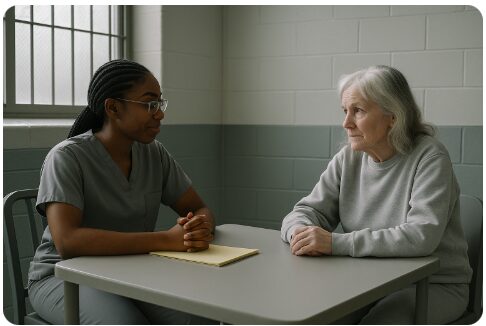
Today, I am a forensic psychologist serving youth, conducting evaluations, competency assessments, and providing clinical insight within the justice system. My work allows me to advocate for individuals whose mental health, environment, or circumstances place them at risk of being misunderstood or overlooked.
My story is rooted in resilience, community, and purpose. I am where I am because a village believed in me and now, through my forensic work, I strive to be that same source of clarity and advocacy for others within the legal system.
Would you say it’s been a smooth road, and if not what are some of the biggest challenges you’ve faced along the way?
My journey has been anything but smooth, yet every challenge has played a critical role in shaping the clinician I am today. Growing up without traditional parental support meant that I had no roadmap for major life milestones. When it came time to apply for college, I had to learn a lot by trial and error. The process was overwhelming, and there were moments when quitting felt easier than pushing forward, but necessity taught me grit, resourcefulness, and the power of self-advocacy.
In addition, balancing school and survival brought its own difficulties. I worked multiple jobs while pursuing my education. Walking onto the volleyball team and later stepping away when promised support fell through was another pivotal moment. It taught me what disappointment feels like but also how to convert that disappointment into motivation. Those early experiences planted the seeds of persistence that would carry me through every academic and professional hurdle that followed.
The path to earning a doctorate was marked by its own set of battles: long nights of writing, the emotional strain of clinical work, and periods of imposter syndrome that tested my confidence. Navigating the forensic field as a young Black woman required resilience and unwavering self-belief. I had to learn how to stand firmly in spaces where I was often the only one who looked like me, how to assert my clinical voice, and how to advocate not only for myself but also for the clients and patients whose care depended on my ability to show up fully and confidently.
Even now, in private practice and forensic settings, the learning curve continues to be steep. Responsibilities related to inpatient unit work, competency evaluations, and the application of psychological science to the legal system carry considerable demands and accountability. There were times I questioned whether I was ready, but mentors and my village reminded me that I did not come this far to fail. Each challenge became another lesson in courage, competence, and compassion.
So no, my journey has not been smooth. But it has been meaningful. Every obstacle strengthened my character, sharpened my clinical judgment, and deepened my commitment to serving justice involved youth. The struggles did not stop me they shaped me into the psychologist, advocate, and woman I am today.
As you know, we’re big fans of you and your work. For our readers who might not be as familiar what can you tell them about what you do?
I am a forensic psychologist whose work exists at the intersection of mental health and the legal system, where clinical science meets questions of responsibility, safety, and justice. I specialize in conducting competency evaluations, risk assessments, forensic interviews, and comprehensive clinical evaluations. At the core of my practice is a commitment to ensuring that individuals especially young people are understood not merely as “cases,” but as human beings shaped by history, context, trauma, and untapped potential. Every evaluation I conduct is grounded in the belief that understanding context is essential to ethical and accurate assessment.
I am especially proud of my work with Youth Opportunity Investments, where I have the privilege of elevating the voices of young people who often feel unheard, unseen, or misunderstood. Many of the youth I serve have experienced significant trauma, instability, and prolonged exposure to adverse environments long before entering the justice system. Being able to advocate for them, amplify their lived experiences, and help them feel validated and understood is one of the most meaningful and fulfilling aspects of my career.
Another significant portion of my work involves supporting courts, attorneys, and multidisciplinary teams by providing clear, thorough, and culturally responsive psychological insight to inform legal decision-making. As I create a name for myself in the professional realm, I would like to be known for being thorough, trauma-informed, and highly attuned to the systemic and environmental factors that influence behavior. Whether I am evaluating a youth, assessing mental health needs, or offering treatment and placement recommendations, I strive to bring fairness, clarity, and compassion into environments where humanity is often overshadowed by procedure.
What distinguishes my approach is the integration of both lived experience and professional expertise. I understand firsthand what it means to navigate complex systems without consistent support, to face adversity early in life, and to persist despite barriers that could have easily altered my trajectory. That lived understanding deepens my empathy and strengthens my commitment to showing up authentically, consistently, and ethically for every youth I evaluate and treat.
What truly sets me apart is my ability to blend clinical precision with cultural humility and person-centered care. I do not approach my work by reviewing a file and seeing a label; I approach it by seeing a person with a story, a struggle, and a future that is still being written. I believe that truly understanding someone’s story is fundamental to making ethical, informed decisions, decisions that have the potential to alter the course of a young person’s life for the better.
For me, forensic psychology is far more than a profession it is a purpose. It is the work I feel called to do. I am grateful every day for the opportunity to help young people be understood, supported, and given access to possibilities they may not yet believe are within reach.
How do you think about luck?
I don’t credit my journey to luck–I truly believe I’ve been blessed. Blessed with people, opportunities, and moments that guided me, especially during times that could have felt overwhelming.
Growing up without parental guidance, many obstacles could have set me back. But instead, I was blessed with a village that stepped in when I needed it most.
In my professional life, I’ve continued to experience blessings through mentorship. Dr. McMillian opened the door to the private practice world and placed me in rooms where I could begin building my name and confidence. Dr. Isen, Dr. Andaya, Dr. Kunichika, and Dr. McMillian played meaningful roles in developing my skills as a forensic psychologist. They guided me, challenged me, and supported my growth in ways that aligned perfectly with the season I was in.
Even the difficult moments in my life became blessings in disguise. Financial hardship, academic pressure, and moments of discouragement honed my resilience, faith, and discipline, qualities that are essential in the forensic field and in working with justice-involved youth. What once felt like setbacks ultimately strengthened me for the work I do today.
So when I reflect on my path, I don’t see luck. I see blessings. Those blessings have carried me to where I am and continue to shape the psychologist and advocate I strive to be.
Pricing:
- Psychological Evaluations begin at $1,500
- Therapy: $350
- Sliding Scale
Contact Info: