



Today we’d like to introduce you to Jordan Goodwin.
Hi Jordan, thanks for sharing your story with us. To start, maybe you can tell our readers some of your backstory.
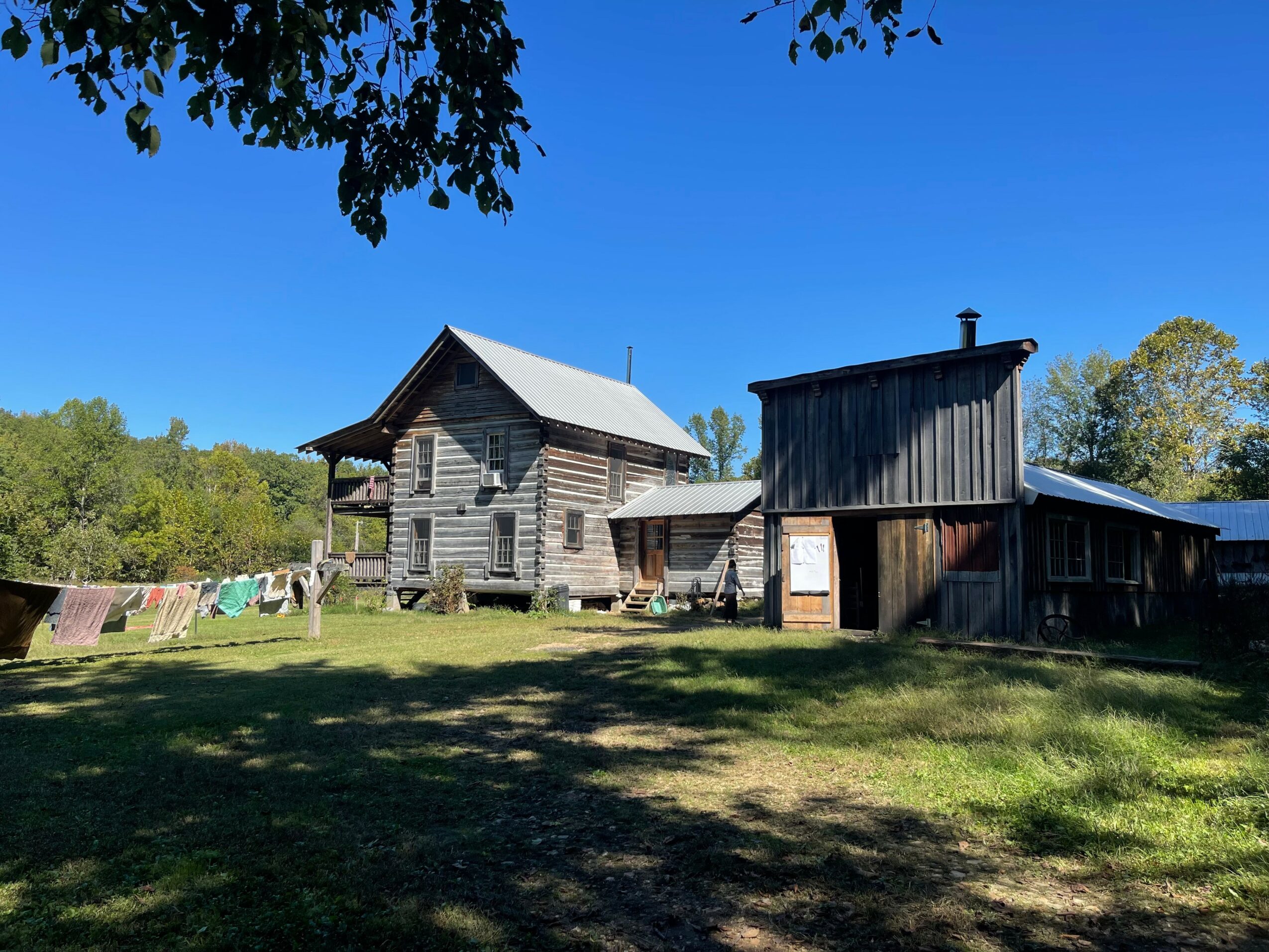
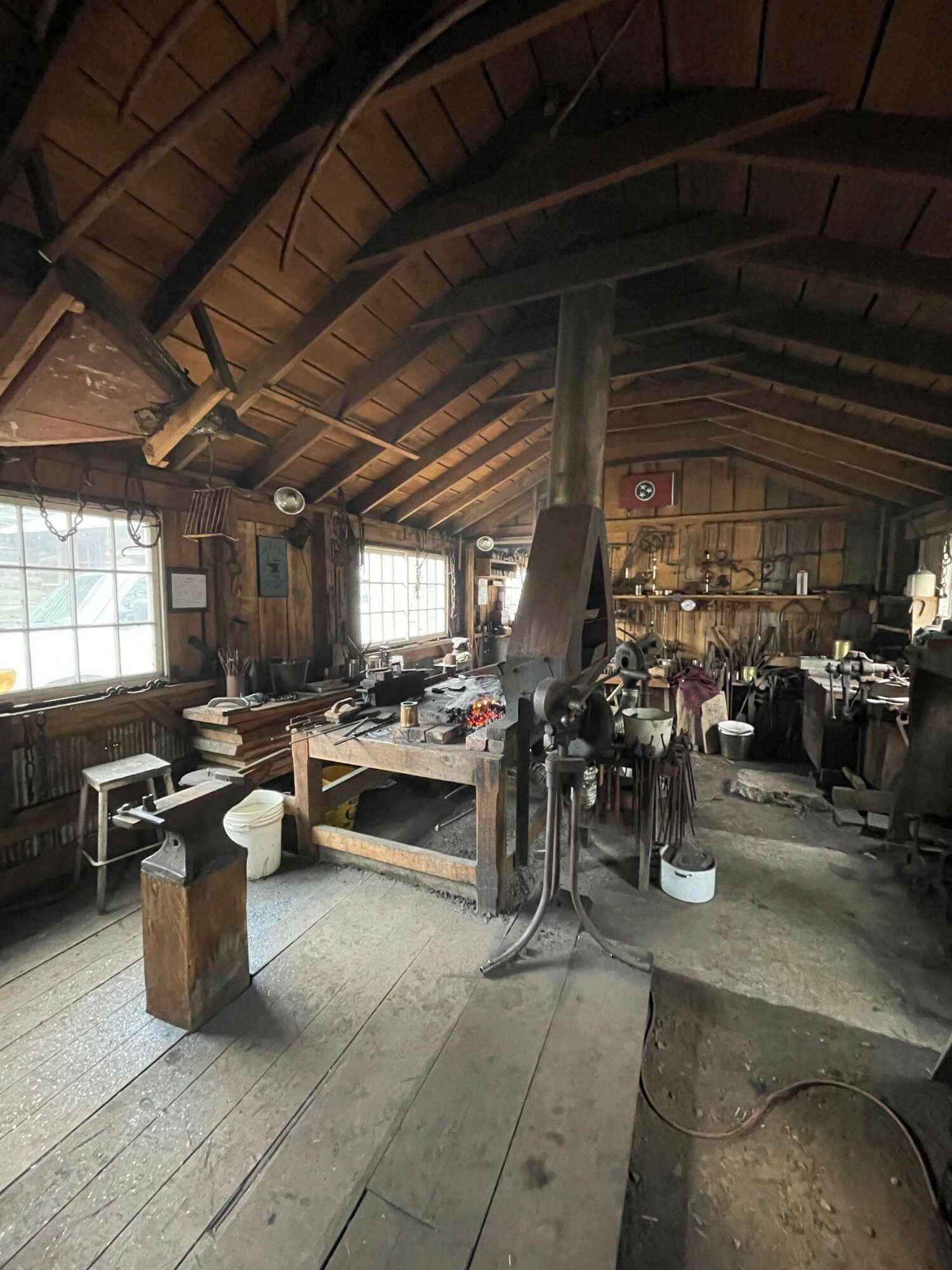
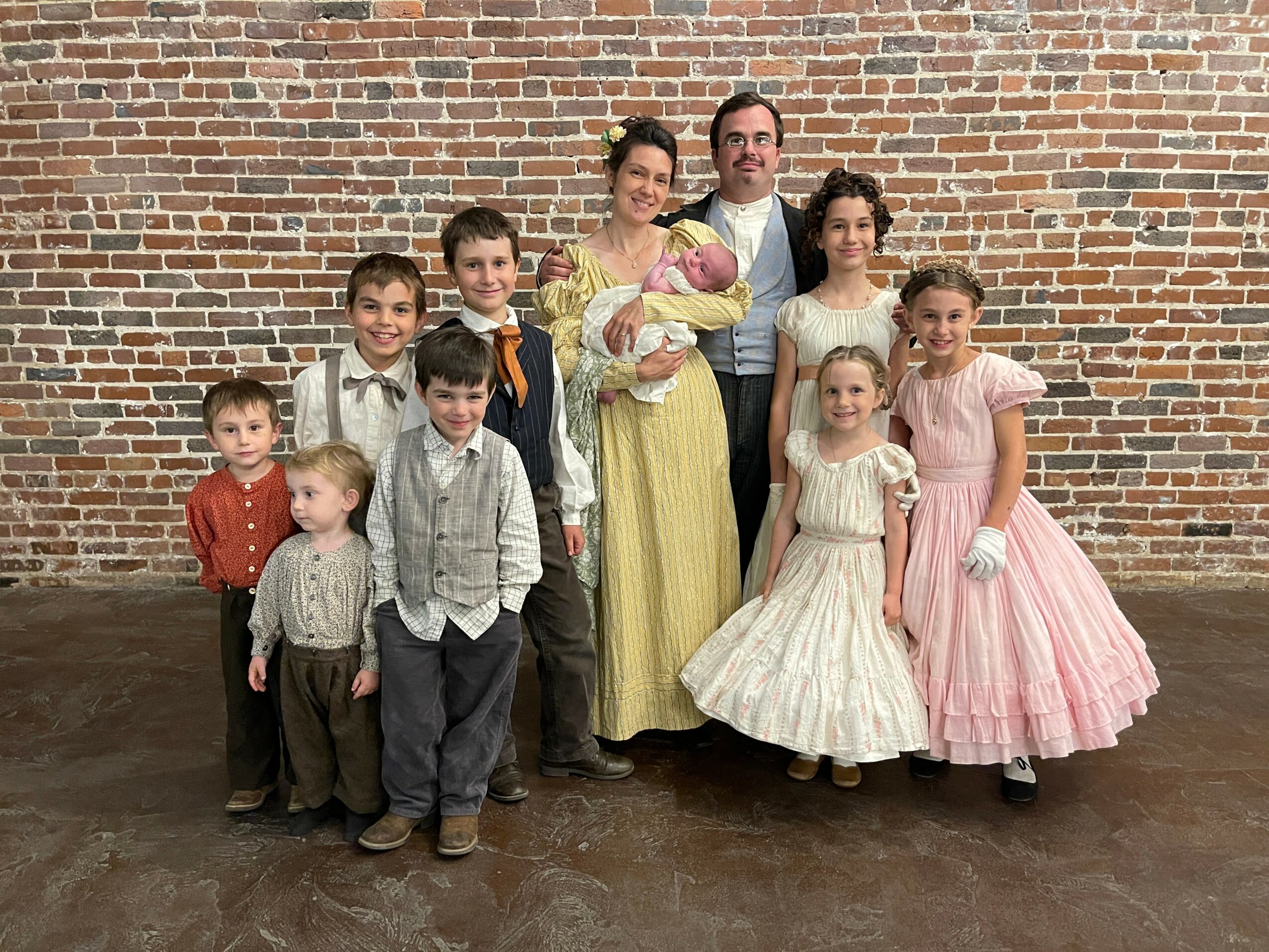
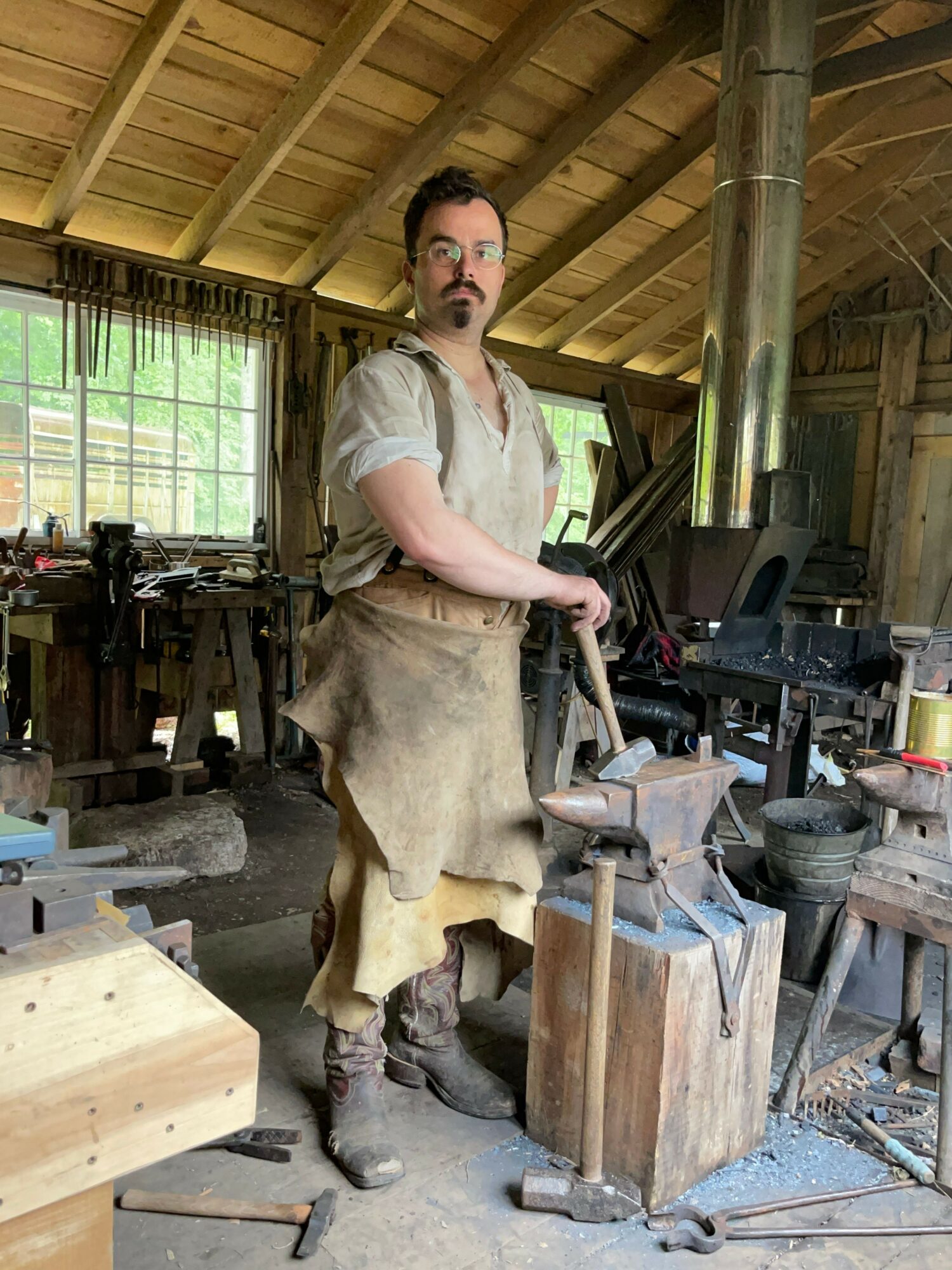
My interest in blacksmithing grew out of a love for history. When I was still a teenager, I decided to build a log cabin on the family farm, and I wanted to try to hand-forge all the door hinges and latches and other hardware it might need, and so I started buying antique blacksmithing tools here and there, wherever I could find a bargain. At the age of 19, I lit my first fire in a little coal forge my dad had stashed away, and tried to make a door latch. I failed so miserably that it would be several more years before I tried again. For the next few years, my attempts at blacksmithing were sporadic- but something kept bringing me back. Eventually, I built a ten-foot-square shed to house my tools, and started practicing more regularly. I began selling some small items online, and getting a few custom jobs via word of mouth- and In a short two years after building my first shop, I decided to expand the shop and go full time. That was nearly 8 years ago- and I am still hand-forging hardware and the occasional tool with hammer and anvil and a coal forge. The shop still isn’t finished, and neither is the log house- but both are wonderful places to live and create. My wife has been an incredible partner and supporter, and our family has grown to include 9 amazing and beautiful children, and while I am still trying to get a handle on the business side of things, I am really enjoying my journey as an old-school blacksmith in an ancient tradition.
Can you talk to us a bit about the challenges and lessons you’ve learned along the way. Looking back would you say it’s been easy or smooth in retrospect?
It has definitely not been a smooth road, and still isn’t in some ways. In the first few years of blacksmithing, many of the biggest challenges were technical- teaching yourself to forge iron the old way by hand without good in-person mentorship is never easy, and I think it was especially challenging for me. I spent many many days struggling with hot iron, earning many a blister and growing a pretty good sized scrap pile. Over time, and as my skills have grown, the challenges have shifted to become less and less technical -I don’t struggle with insufficient skill near as much- to more and more those of business and discipline. I am still learning how to manage my time and serve my customers, some of which have waited patiently for custom projects for a very long time. That said, blacksmithing is a relatively easy sell- everyone loves the craft- and my customers overall have been an amazing bunch of good folks who are very understanding and appreciate artistic craftsmanship and the time it can sometimes take to produce bespoke ironwork.
Appreciate you sharing that. What else should we know about what you do?
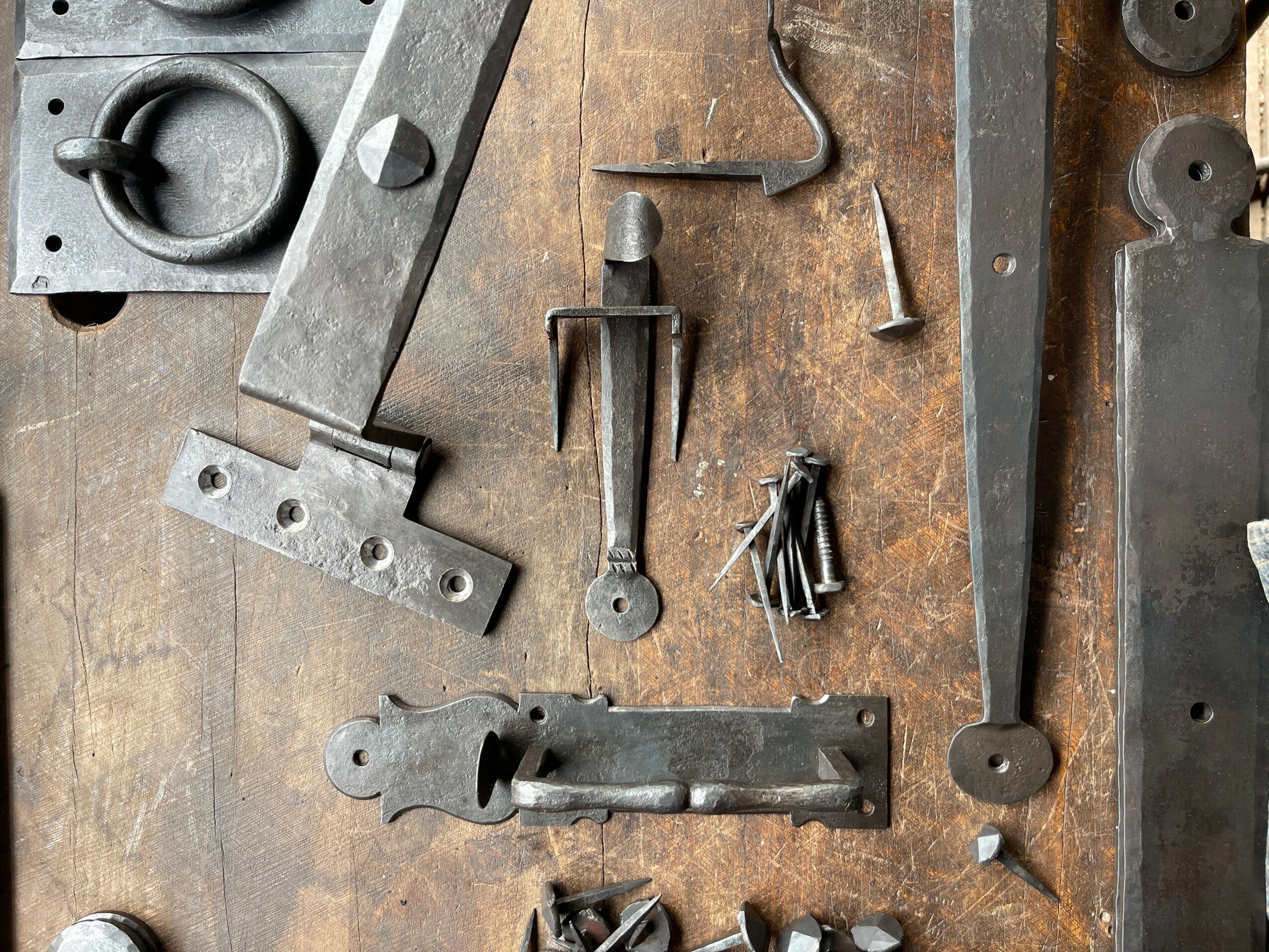
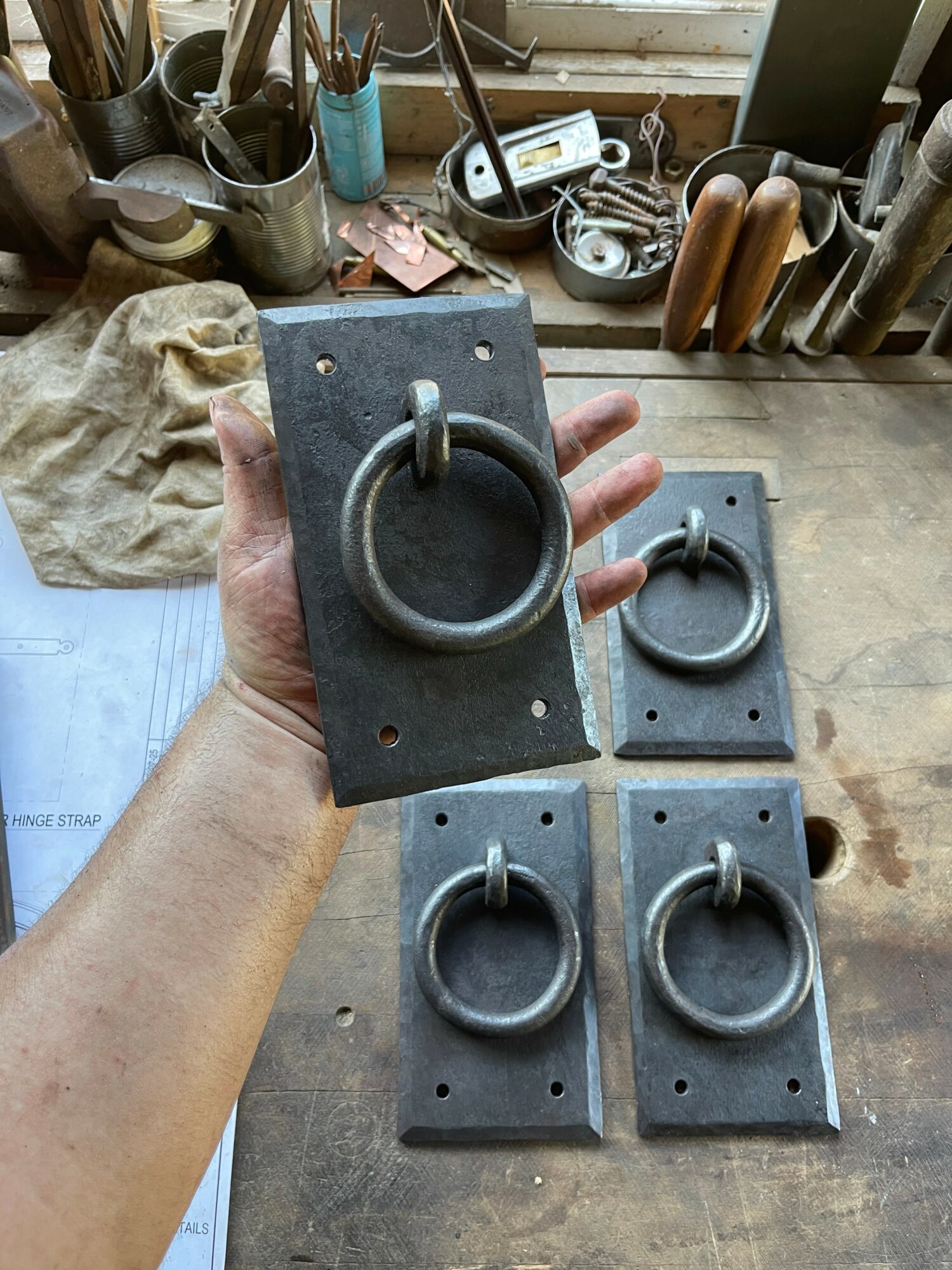
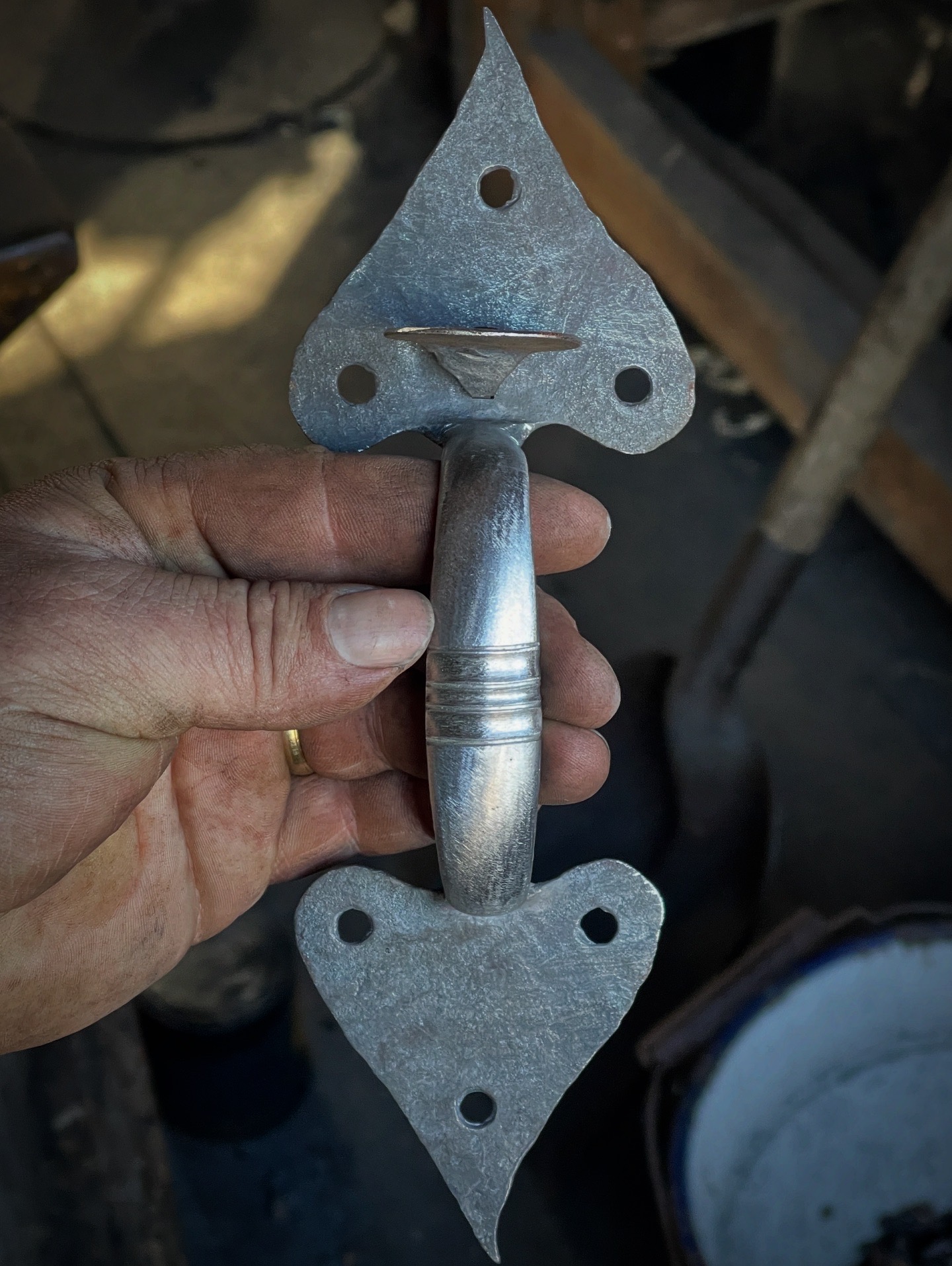
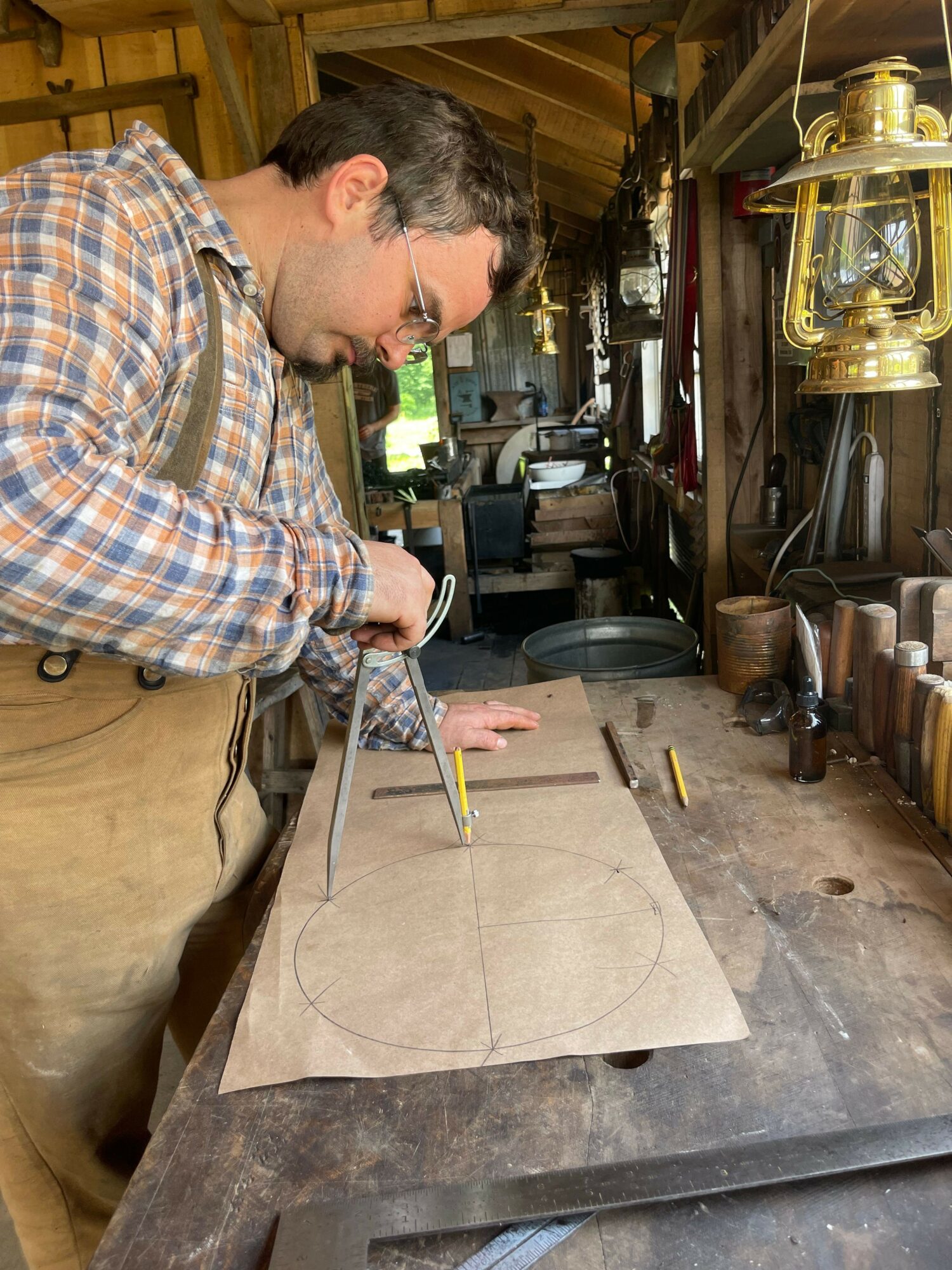
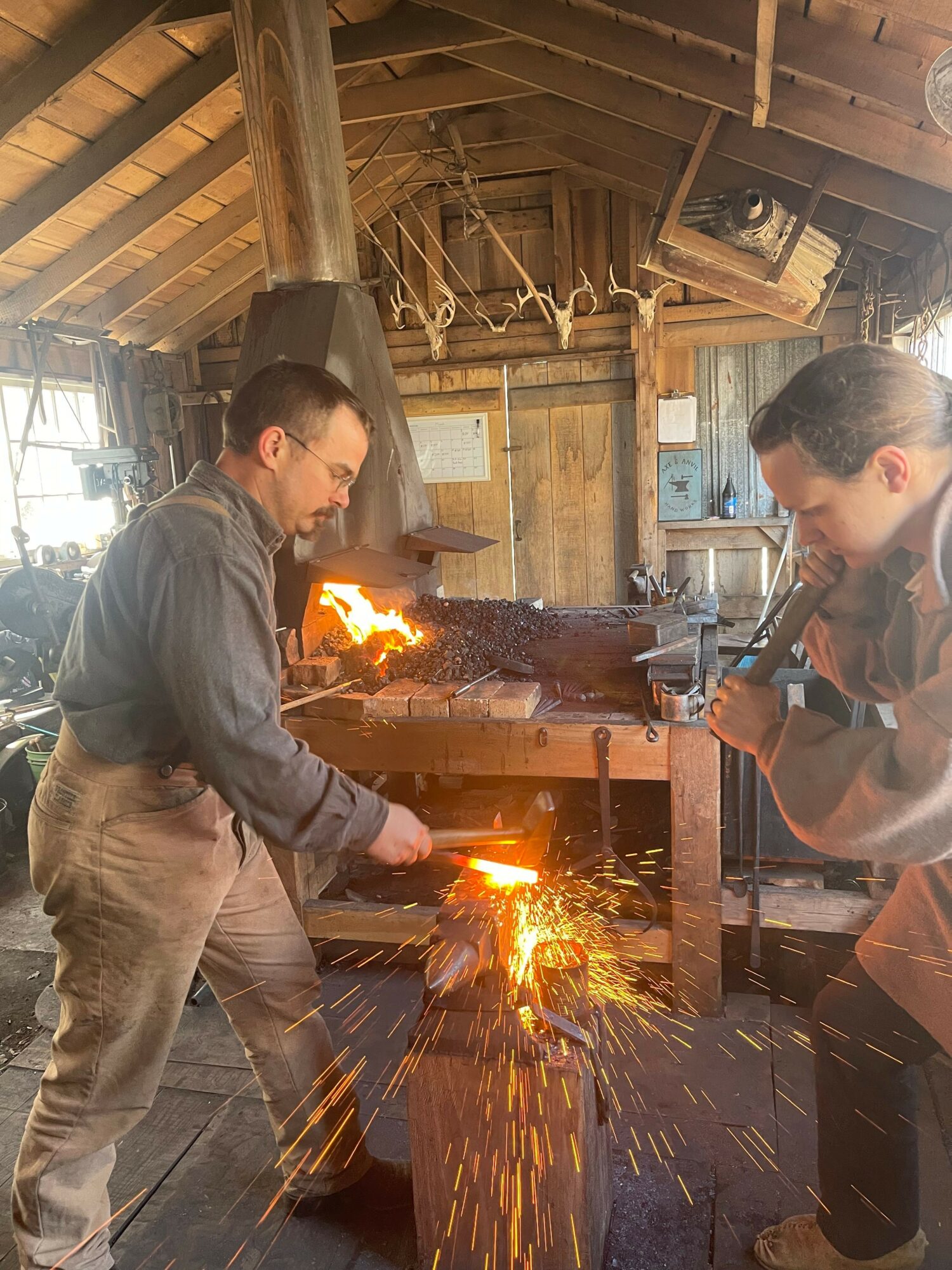
Blacksmithing is traditionally understood as the forming of iron via hammering into shapes that are useful and/or decorative. Historically, the craft was often broken into many specialized branches, with some smiths making only certain kinds of items, while others were more generalist, forging a wider variety. I am a fairly generalized blacksmith, but I do specialize in custom, luxury hardware. This might be hooks for towels or to hand grandpa’s shotgun over the fireplace, or it might be hinges and latches for a door or gate- in addition to a variety of odd custom requests that I get fairly frequently. I am known for making a lot of hand-wrought nails, hooks, and door hardware- along with some occasional woodworking tools, and I love it all. I am especially proud of all the things I get to make that are both highly functional and very aesthetically pleasing at the same time. As far as what sets me apart from others, I am dedicated to sticking to very historical methods that go back for many centuries in my craft, rarely even employing a modern welder in my work. This is a self-imposed parameter that doesn’t make me superior to anyone else, but does make my work more interesting and fun for myself, and inevitably affects the outcome of the work aesthetically and functionally, and adds an authenticity and organic feel that a lot of modern ironwork simply lacks.
Is there any advice you’d like to share with our readers who might just be starting out?
My advice to anyone starting out is somewhat contradictory on its face, but I promise is a recipe for success if you want to become a good blacksmith. First, get started NOW. I wish I had started much sooner, and stuck to it closer when I finally did. Get the basic tools together, set up a home shop no matter how small, and then practice every single week- preferably more days than not. Secondly, find some good mentors. Get an apprenticeship with a good blacksmith if you can, or a college course, or at least as many classes as you can afford. Go to blacksmithing events, join blacksmithing groups- but don’t let anything get in the way of tons of practice. It’s a lot like learning to play a musical instrument- it takes tons of practice to be any good at all, and mastery comes with many thousands of hours of focused work. As a largely self-taught smith, looking back I wish I had had the resources at my fingertips that we have now, and had made connections with other smiths sooner.
Contact Info:
- Website: https://axe-n-anvil.com/
- Instagram: https://www.instagram.com/axe_and_anvil
- Facebook: https://www.facebook.com/share/1Cvzb36Khb/
- Youtube: https://youtube.com/@axeandanvil