



Today we’d like to introduce you to Mike Purcell.
Hi Mike, thanks for sharing your story with us. To start, maybe you can tell our readers some of your backstory.
I’m a Nashville native and began playing guitar when I was 14. I quickly developed a fascination with the technical side of music creation and production. By the time I was 19, I was working in the music industry while attending Belmont University for its Music Business Program.
I worked in retail sales at a local independent music store, ran live sound at a now-defunct Nashville venue called Taj, and played in bands. After completing 4 years at Belmont, I was offered an internship at The Castle Recording Studios in Franklin, TN. I interned there for a year and was offered a job as a staff engineer. I was a semester away from my degree, but working in the recording industry full time, so I dropped out. For 5 years, I worked at the Castle on a variety of major label projects – mostly second engineering for mixing and recording sessions.
I had the opportunity to work closely with some amazing producers, engineers, and artists and was able to see first-hand their tricks and techniques and was able to incorporate these into my workflow. It was a tremendous learning experience and I gained an appreciation for the artistry in engineering.
In the late 90s, the industry was switching over to ProTools and non-linear digital editing, and a big part of my job was being able to run these systems. I ended up purchasing a ProTools System and slowly phased out of working at the Castle to more work from home or remote recording. Additionally, I partnered up with Tom Endres and began doing consultation work and installs for the local Digidesign retailer as Digital Audio Geeks.
Through that business, we developed relationships with Digidesign and Otari which led to the founding of Digital Audio Miracles, a software development company creating data transfer software. The 2 prevalent digital recording devices at the time were the Otari Radar 2, a hard disk recorder, and ProTools. We spent a year developing this software and released it in 2001.
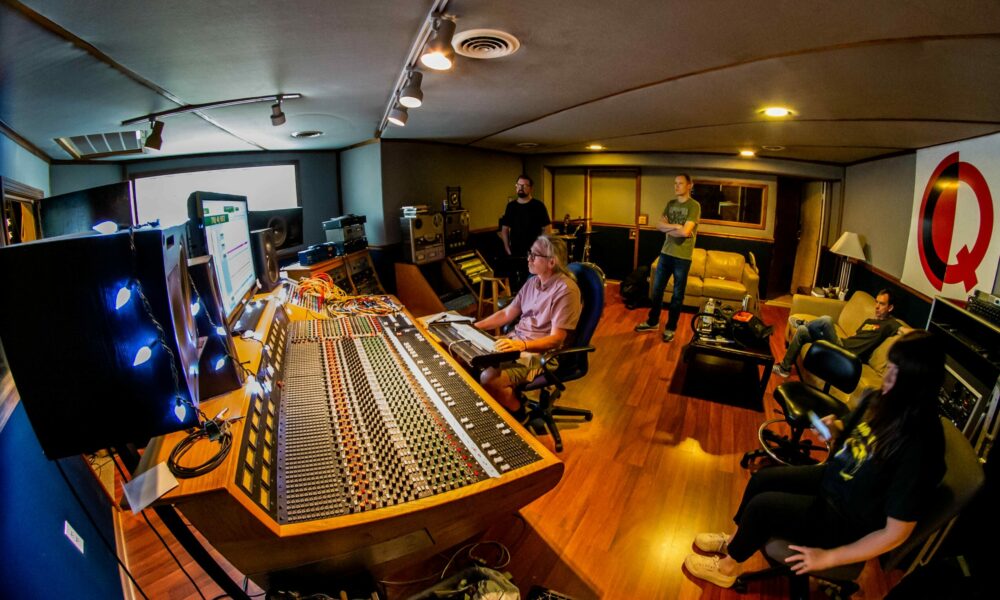
While working on the consulting and software projects, I was still engineering and had moved my ProTools System to County Q Productions in 2000 (and continue to work there today.) In the early 2000s, mastering was a big part of the business. Mastering was great because I was able to listen to different engineers’ mixes and try to improve them which gave me an understanding of what works and what doesn’t.
By 2005, County Q was a multi-room facility catering to the Nashville Demo Industry – we were typically running 3 sessions a day in 4 rooms for 6 days a week. I transitioned into becoming a mix engineer and we worked at a crazy pace. My job was to mix 5 songs a day and there was no shortage of work. I spent a couple of years doing that, working with songwriters such as Craig Wiseman, Barry Dean, Chris Lindsey, and more. I’ve always been a rock n roll guy at heart, and mixed these country songs as rock records which was unique for the time.
The Nashville demo/publishing industry changed dramatically in the 2010-2011 period and consequently, that end of our business dried up. Which was tough, but It gave me time to pursue other music-related interests. I mixed a couple of feature-length films, which led to me creating 6minor Films and producing a video documentary called “Songwriter” – interviewing different artists about their process and craft. I taught myself video production and editing, a skill I still use today.
In 2015, I was hired as an adjunct instructor at Nashville State Community College, teaching Music Production, Mastering, and Studio Recording. I also began doing more production projects for local bands – people that I admired and had an interest in working with, and continue to do that. Around this same period, I used my video skills to create Monkey Riot Recordings, a label/production service.
I release my music through Monkey Riot Recordings, and I’ve got a series of live performance videos that we cut at County Q Productions, featuring great local artists. My projects are kettleflower and Hitman Louie, 2 radically different genres. In my spare time, I write and record music for licensing purposes.
When Covid hit in 2020, I set up a second ProTools system at home and began doing mixing and mastering at the house, but still do tracking at County Q. Music work was relatively slow in 2020 and 2021, so I began designing and building guitar pedals as Monkey Riot Pedals. I’ve built a couple hundred pedals and in 2023, started doing production runs of 10 pedals at a time. I’ve developed a passion for the process, and it feeds my creative drive.
In early 2022, I was asked to write a feature article on microphones for Premier Guitar Magazine. I continue to do editorial writing for them – primarily gear reviews.
We all face challenges, but looking back, would you describe it as a relatively smooth road?
No, it has not been a smooth road.
For as long as I’ve been doing this, there’s an ebb and flow to the volume of work that comes in – the feast or famine cycle. I’ve gotten around that by diversifying my skills to create many different revenue streams so that if one drops off, I’ve got other things coming in. Diversifying also helps maintain my interest in what I’m doing and allows me to broaden the set of tools I bring to a gig.
Maintaining a healthy work/life balance was a struggle. Early in my career, I was working crazy hours trying to break into the business. There were demanding clients, back-to-back bookings, late nights, and early mornings – I stopped appreciating what I was getting to do, and I might as well have been working a 9 to 5 that paid better. I finally realized I needed to make some changes and be aware of the effect my work was having on myself and others – and to realize how fortunate I was to be doing my dream job.
Criticism and feedback can be a stumbling block – but the truth is: everyone isn’t going to like my work. It’s not a personal attack, and it’s no judgment against my character, it’s just a difference of opinion. It’s important to leave my ego behind when I’m working with clients. When I get feedback, I evaluate it – if it’s valid, I’ll use it as a learning experience, but it’s also important to realize when it’s unwarranted or illegitimate feedback. In that case, just let it go and move on.
Dealing with artists, musicians, producers, and label folks can be challenging – not everyone is going to be pleasant. In those situations, I just buckle down, do my job, and leave it at the studio. I’ve seen this happen over and over: the people who are jerks in this industry don’t last long. It’s gotten to the point that when I work with someone unpleasant, I’m pretty confident that they’ll be gone in a year or two, while I’m still here. There are exceptions – but just be kind to the people you work with. Music is about collaboration – if you’re good at getting along with others, you will get work.
Value your time. Self-doubt and imposter syndrome are common traits in creatives, but it’s critical to be able to honestly assess your value and set a rate that reflects what your time is worth. It’s very difficult to put 100% of my effort into a project that I’m doing for a 50% rate. I always vet my clients too – look into their history to see if any red flags may indicate that it’s going to be a nightmare project. I’ve learned that the paycheck isn’t always worth my peace of mind.
And the last thing: ALWAYS have a paper trail or notes on rates, work that will be completed, scheduling, etc. An email sent to a client with an acknowledgment by them is usually sufficient. This simple thing would have saved me so much time and stress. I do this with everyone, even if it’s my friends I’m working with.
Appreciate you sharing that. What else should we know about what you do?
My primary focus these days has become designing and building guitar pedals – it’s become my main creative outlet. I was always interested in audio electronics and during the pandemic, I had time to learn the basics of small signal audio and pedal design. I began by building kits – a box with all the parts included and a paint-by-numbers style map. I moved on to stripboard construction – a technique that allows for easier modification of existing circuits.
I spent the next 2 years refining my understanding of electronics while selling custom pedals. In 2022, I developed several circuits and needed to figure out how to streamline production – so I could create more in less time. This led me to Printed Circuit Board design – I dove in all the way learned computer-assisted design for PCBs and began short production runs of two pedals. I’ve got another half dozen designs ready to go, it’s just a matter of finding the time to close them out. It’s been a journey, but I’ve thoroughly enjoyed every minute of it.
The pedal-building community is the most supportive that I’ve encountered in the music biz. There’s very little gatekeeping, people help one another, and we all share the same passion. That positivity and sense of community has been eye-opening and I try to carry that over into all aspects of my work.
My focus is pedal building, but my primary income source is audio engineering. I still enjoy it to this day and I always try to learn. I split my time between mixing and mastering, the final stage of audio production before distribution.
Mixing is usually a part of my weekly work. Most clients are remote (meaning they’re not present for the mix), and although I’ve got a room at County Q Productions, I work from home unless I’m tracking or overdubbing. Almost all of my clients are independent artists – whether it’s someone who found my name as a mixing credit on an album, or a recommendation from a previous client. It’s great to get an email from someone 500 miles away saying they liked what you did on XXXX album, will you mix ours? Communication becomes critical on these types of projects – artists have varying familiarity with the mixing process and may have unreasonable expectations on the amount of work required. I’ve learned to set boundaries and explain every aspect of the process so we both know what we’re getting into.
When mastering, I work to make the recordings consistent and competitive while adhering to a set of standards required for deliverables to the distributor. I love mastering because it’s one of those gigs where it’s in and out – I’ll spend a single day on an album, complete it, and it’s done – I can move on to something new (This was also a reason I loved the demo side of recording as opposed to albums – we would do a lot of work over a short period, and then we’re done and on to the next batch of songs).
Eight months out of the year, I’m teaching 2 or 3 classes at Nashville State Community College. I was hired in 2015 to fill a last-minute vacancy and I had no practical experience in teaching – but I’ve always been happy to share any knowledge I’ve picked up. Since then, I’ve gone on to teach Mastering, Mixing, & Live Sound. For the last couple of years, I’ve focused on Studio Recording and a Project Production class. The facilities at Nashville State are excellent (they’ve got a mic locker that’s better than a lot of studios!) and the Music Tech Department is very student-centric. I’ve probably had a couple of hundred students by this point, and it’s always great to see them go on to become members of the music industry.
I’m most proud of the fact that I’m still able to make a living in this industry through the ups and downs of the last 3 decades. I’ve adapted to the changes and been able to pursue new interests, growing my skills along the way. There have been tough times, and they’ll come along again, but I’ve always found a way to make it work.
Do you have any memories from childhood that you can share with us?
This was my teen years, but playing music with my band is one of my favorite memories – it didn’t matter if it was a rehearsal or a show, it was all the same to me. Writing and playing music were pure escapism – it was one of the things that I truly enjoyed. At that age, I didn’t see the point of learning someone else’s music and was satisfied with creating my own.
Within 2 years of picking up the guitar, I was writing all the music for my band, and doing it just for the sake of creativity, and as self-conscious as I was, it did not matter to me whether I liked it or not. Working on music, whether playing or engineering, has always been a mindful practice for me – I’m fully invested in the present.
Contact Info:
- Website: https://www.monkeyriotpedals.com/
- Instagram: https://www.instagram.com/monkeyriotpedals/ and https://www.instagram.com/monkeyriotrecordings/
- Youtube: https://www.youtube.com/@monkeyriotpedals , https://www.youtube.com/@monkeyriotrecordings
- Bandcamp: https://kettleflower.bandcamp.com and https://hitmanlouie.bandcamp.com/
- Other: https://031f68.myshopify.com/
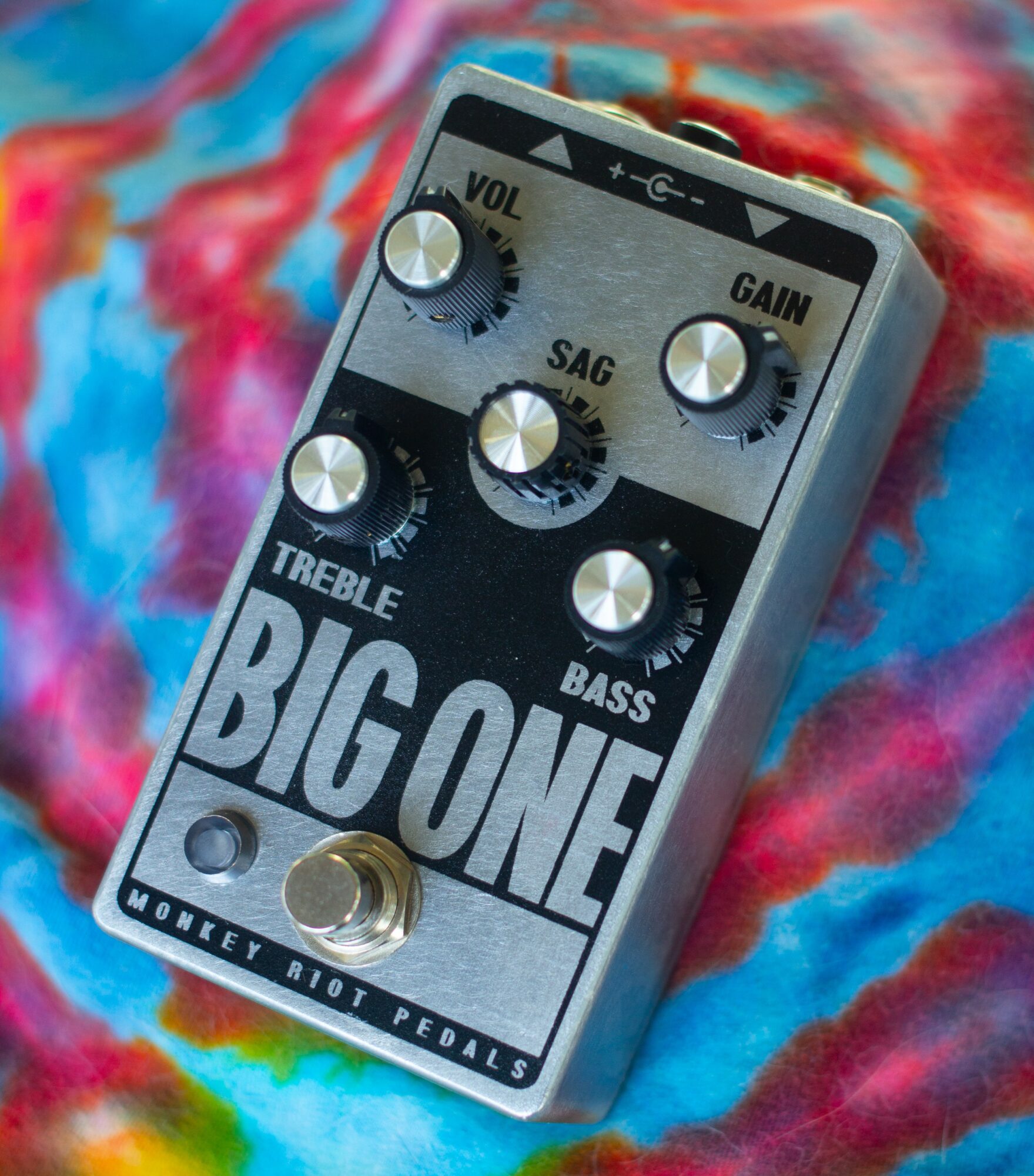
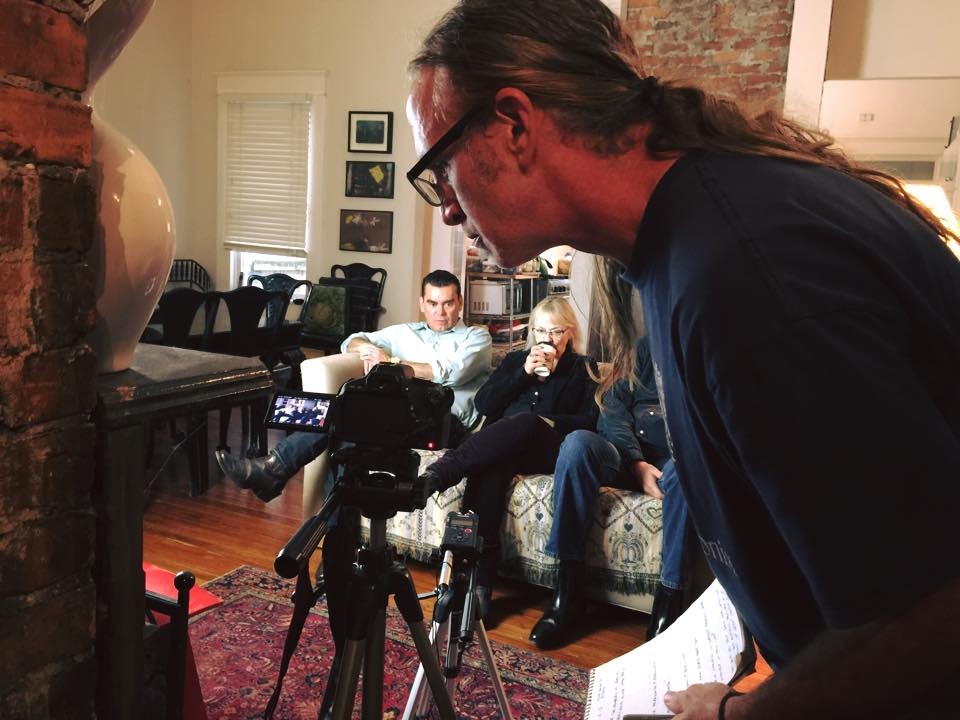
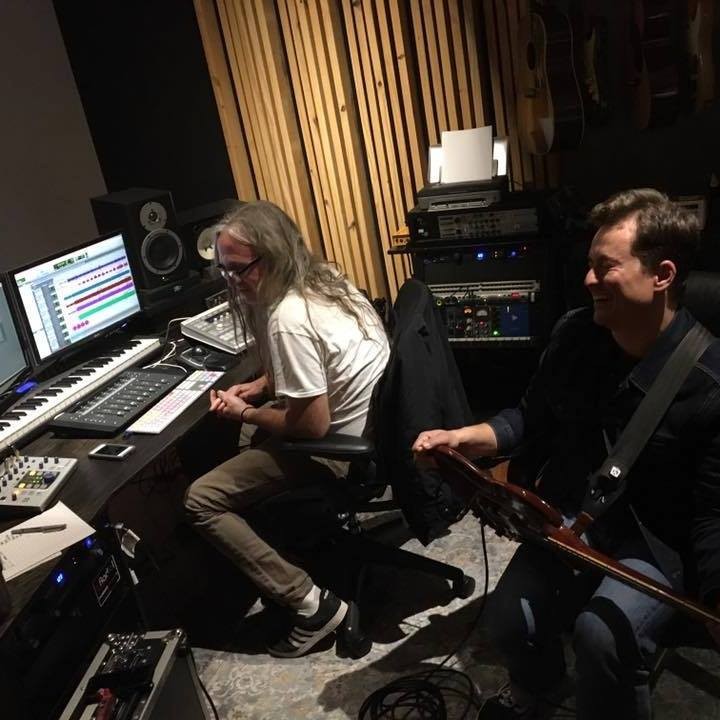
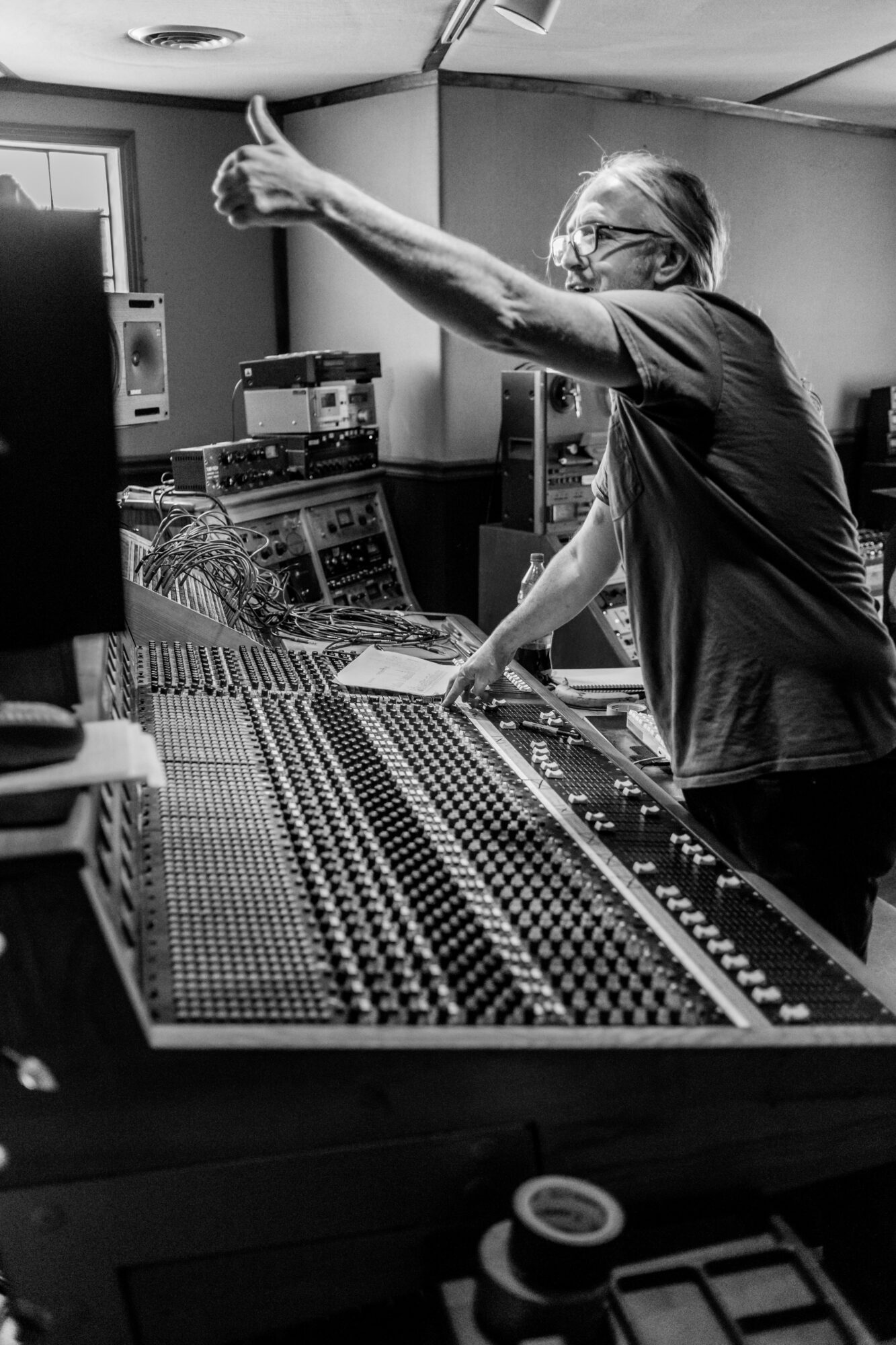
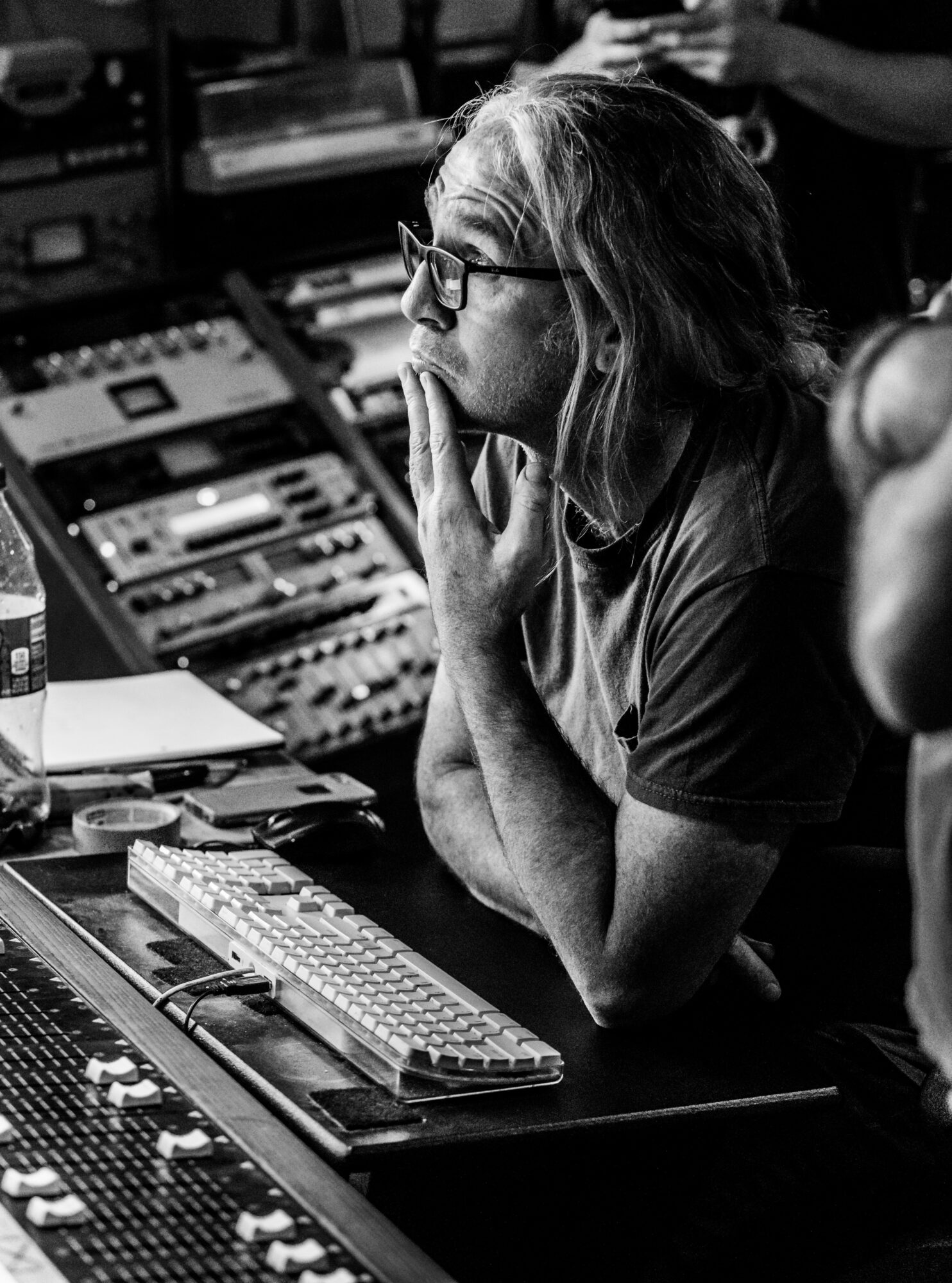
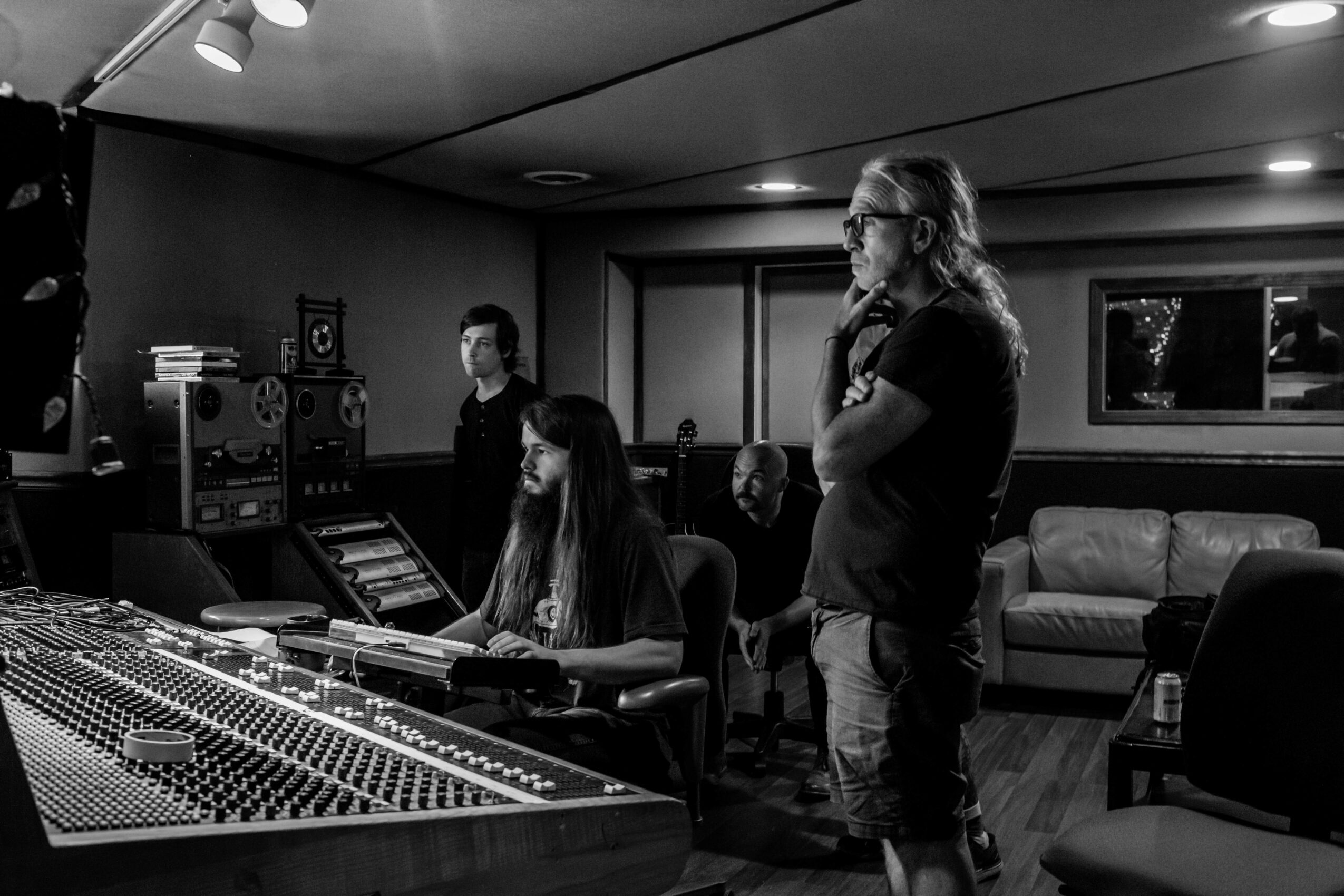
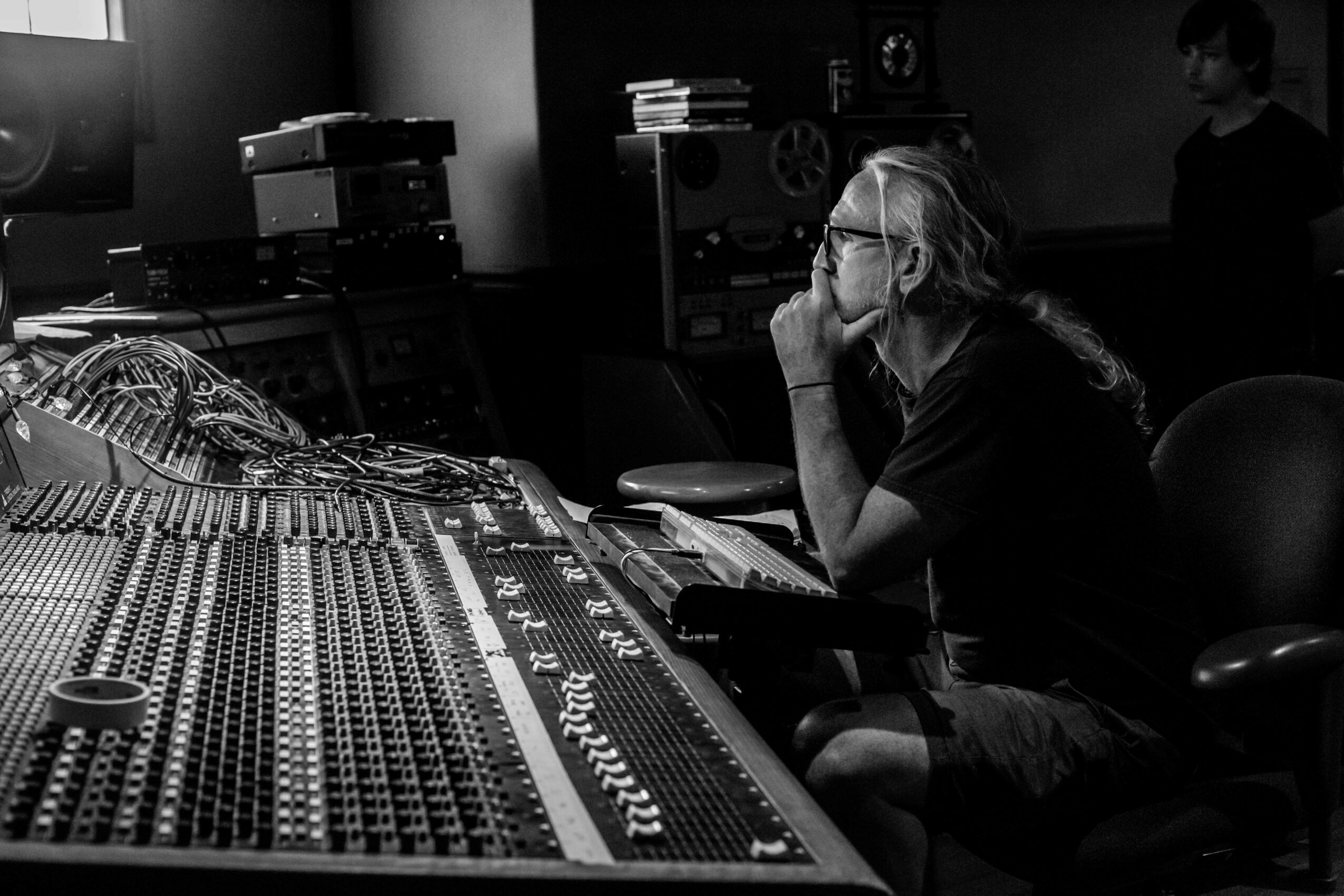
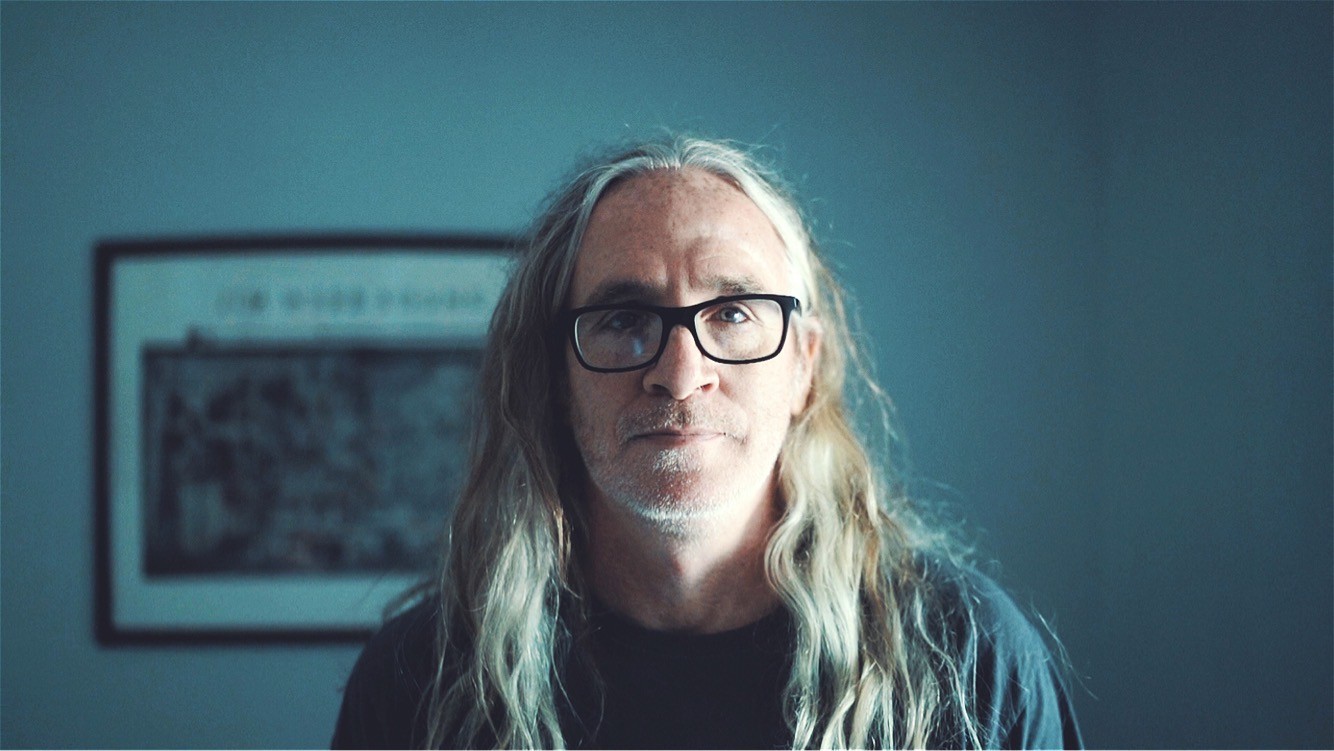 Image Credits
Mike Matthews