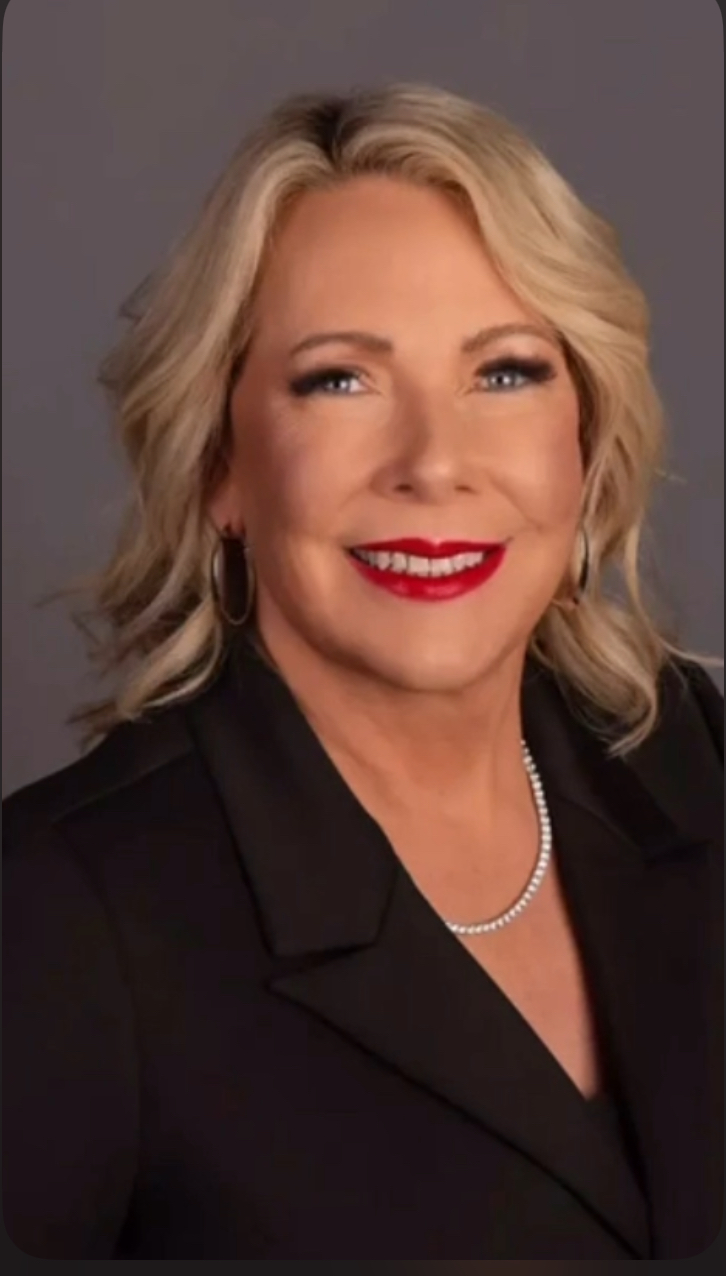



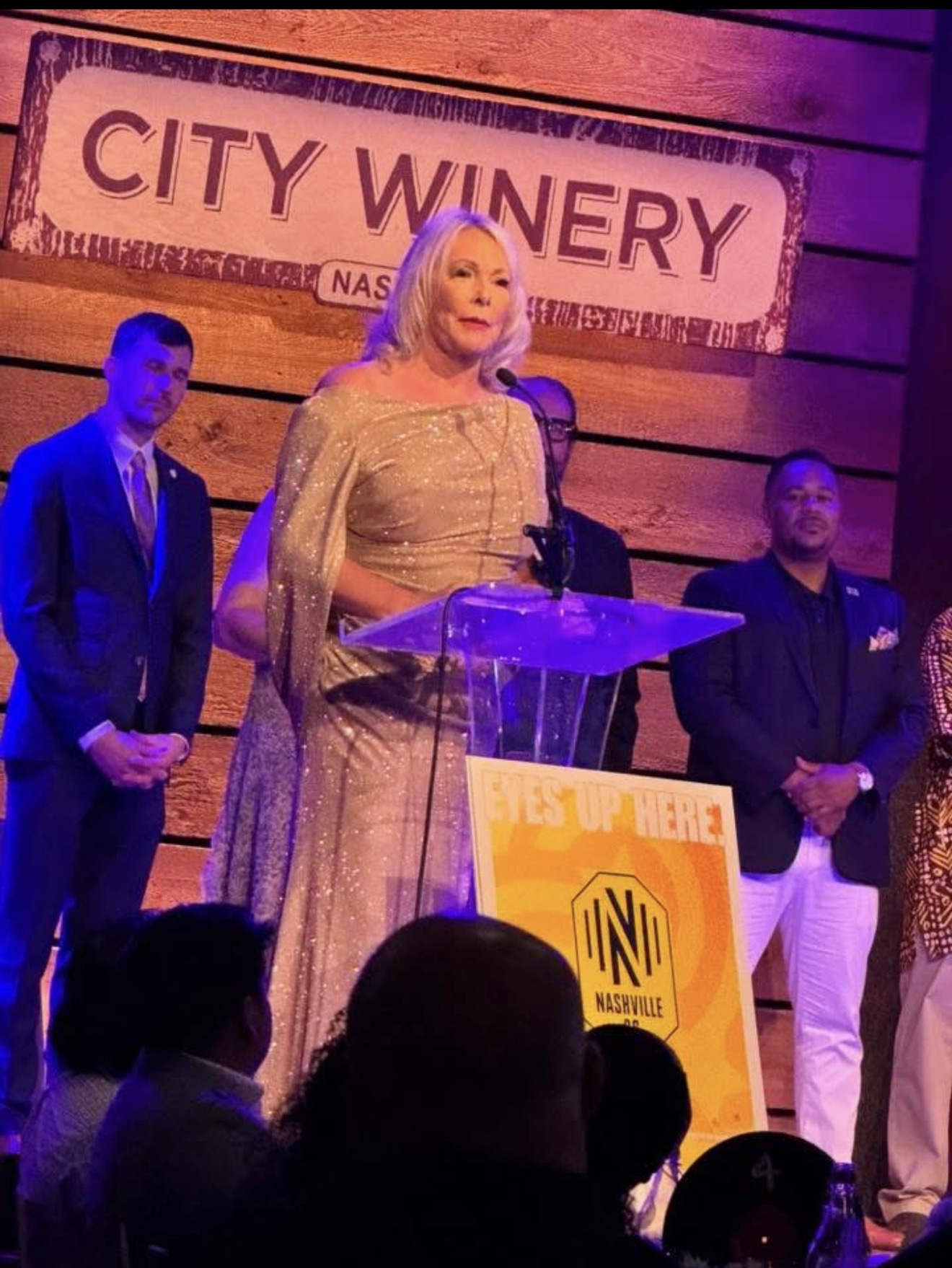
Today we’d like to introduce you to Olivia Hill.
Hi Olivia, so excited to have you with us today. What can you tell us about your story?
I’m a fourth-generation Nashvillian, and Nashville has been home for almost my entire life. My path to public office, though, was anything but traditional.
I spent ten years in the United States Navy, completing three deployments, including serving in combat during Desert Storm. After leaving the Navy, I built a career in utilities and energy. I spent nearly 30 years at Vanderbilt University’s power plant, working my way through just about every part of the operation—from plumbing, welding and electrical work to controls and eventually senior supervision. I spent much of my life in spaces where there weren’t many women, and certainly no openly transgender women.
For most of those years, I was also hiding an enormous part of myself.
In 2017, I finally made the decision to live authentically and publicly as Olivia. I began my medical transition the following year. Transitioning later in life meant rebuilding parts of my world that I had spent decades creating, but it also gave me something I had never really experienced before: the freedom to simply be myself.
After retiring from Vanderbilt, I realized retirement wasn’t going to suit me very well. I had spent my entire life fixing things, solving problems and serving others, and I still wanted to do that—just in a different way.
So I ran for Metro Council At-Large.
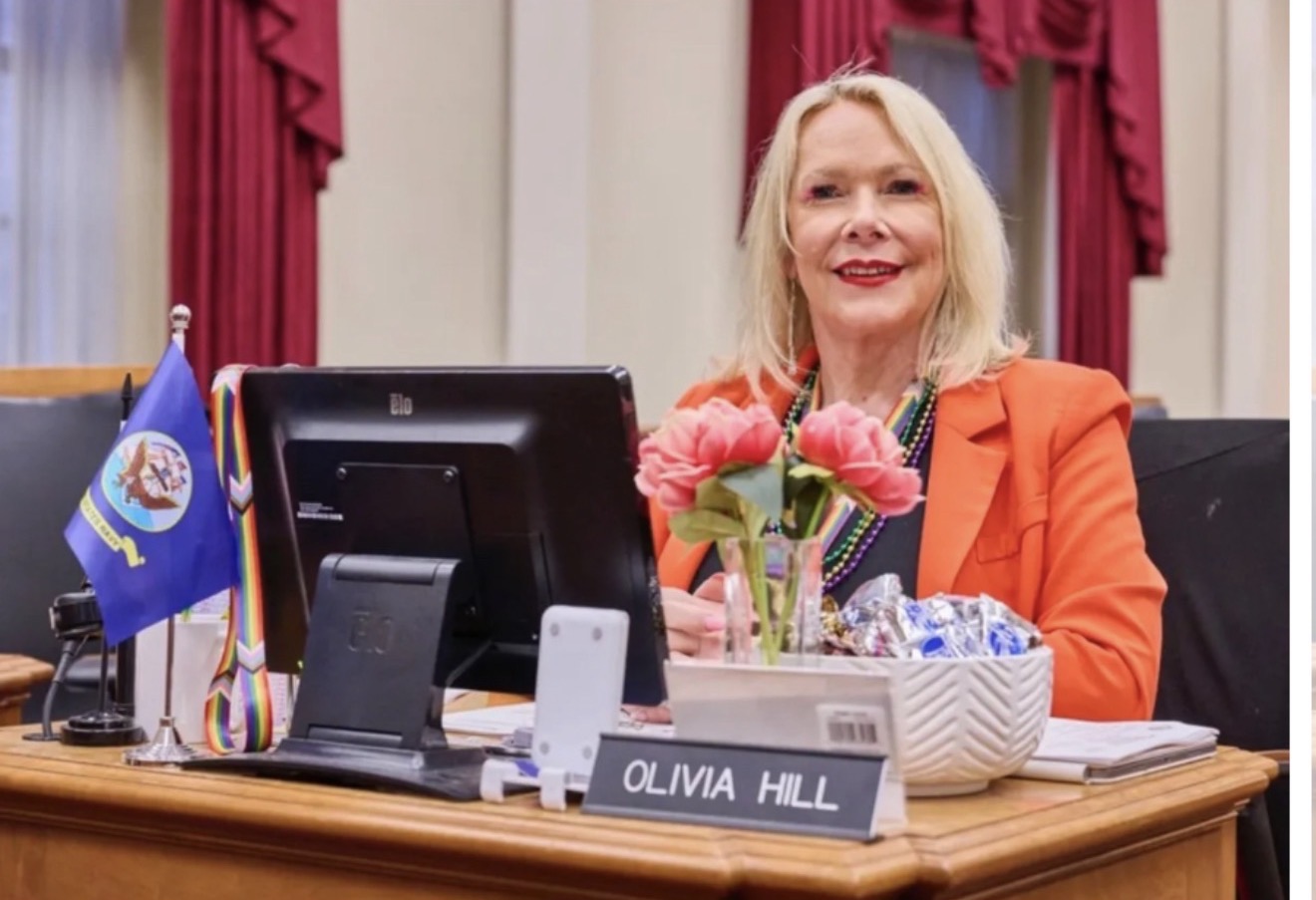
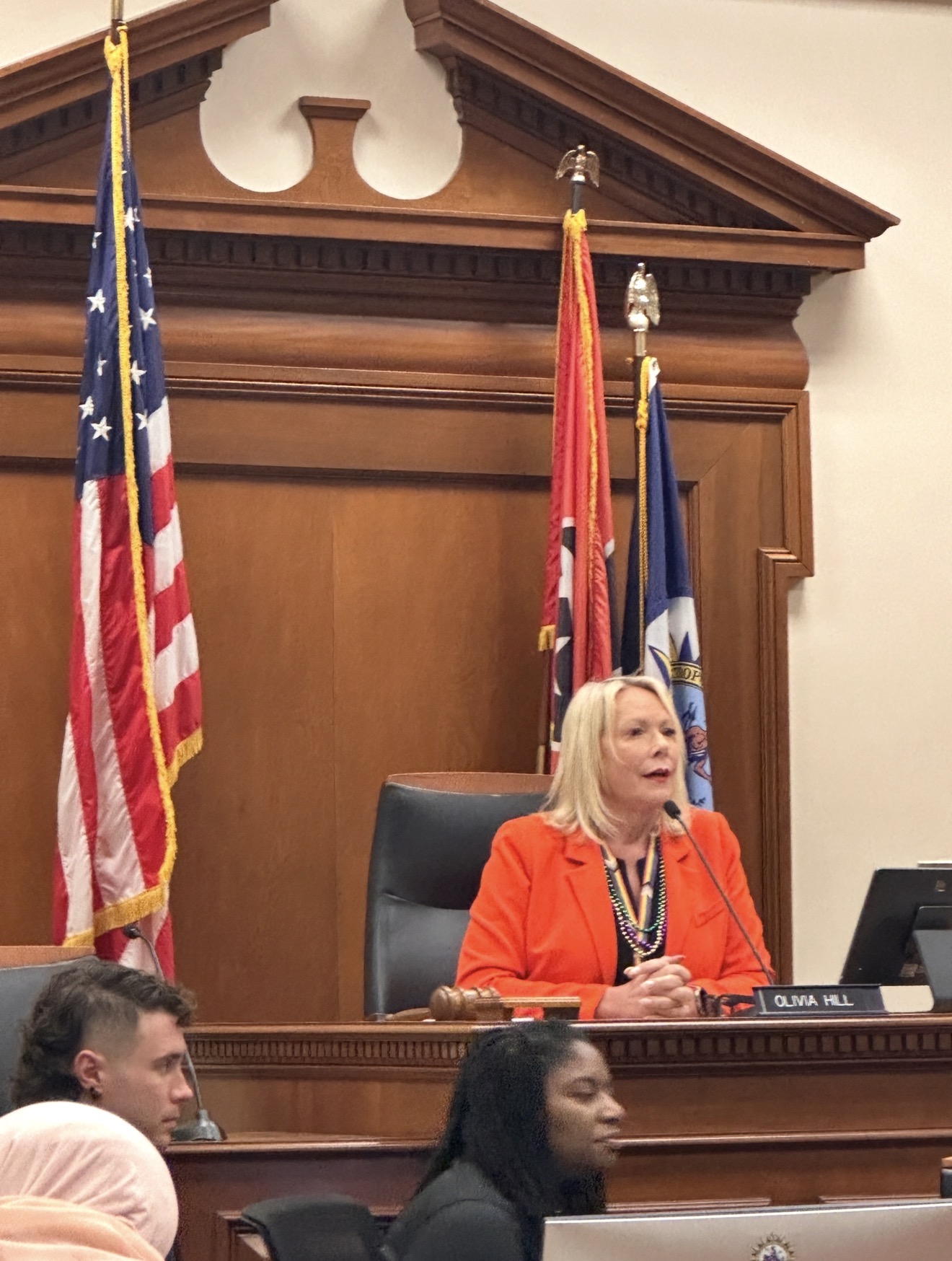
In September 2023, Nashville elected me, making me the first openly transgender person ever elected to public office in Tennessee. Today, I serve all of Nashville and Davidson County on the Metro Council. I chair the Government Operations and Regulations Committee and the District Energy System Advisory Board, and I also serve as chair of the Council’s LGBTQ Caucus.
When I look back, my life can seem like several completely different lives stitched together: a kid from Nashville, a Navy combat veteran, a tradeswoman and utilities professional, a transgender woman who finally found the courage to live authentically, and now an elected official.
But to me, there has always been one common thread: service.
I spent the first part of my life learning how to fix things. These days, I’m still trying to fix things—the equipment is just a little different.
Would you say it’s been a smooth road, and if not what are some of the biggest challenges you’ve faced along the way?
No, it certainly hasn’t been a smooth road.
I knew who I was from the time I was a small child. At home, around my mother and grandmother, I would occasionally wear dresses, makeup and wigs. To me, there wasn’t anything wrong with it. I was simply being me. But around age ten, I was told I couldn’t wear dresses to school, and I was sent to a psychiatrist who was supposed to teach me that I needed to like “boy things”—cars, trucks, trains—and behave the way a boy was supposed to behave.
That was probably the beginning of my believing there was something broken about me.
So I learned to pretend. I tried dating girls in high school, but most of those relationships didn’t last very long. I was naturally feminine enough that girls sometimes assumed I must be gay. After high school, I finally decided that if I couldn’t figure out how to be the man society kept telling me I was supposed to be, maybe the United States Navy could teach me. I joined the Navy in part because I genuinely believed it could fix me.
Over the years, I became very good at building armor. I developed this gruff, aggressive, sometimes arrogant exterior that kept people at arm’s length. If nobody could get close enough to see the soft underbelly of me, nobody could discover the truth I was desperately trying to hide. I made myself into someone so stereotypically masculine that if anyone had said, “That person believes she is a woman,” people probably would have laughed and said, “Have you met them?”
That armor protected me, but it also hurt people, and that is something I have had to own. I regret how aggressive I could be. At the time, though, I thought I was surviving.
Then I transitioned, and one of the greatest shocks of my life had nothing to do with being transgender. It was discovering that I had spent my entire adult life benefiting from white male privilege without ever realizing I possessed it.
I had always believed that everything I accomplished came solely from working hard, being good at my job and refusing to quit. I still believe hard work mattered tremendously. But after I transitioned, the world began treating me differently. Suddenly, I could say the same thing, with the same knowledge and decades of experience behind it, and it didn’t necessarily carry the same weight. I learned what it felt like to be interrupted, talked over, underestimated or have someone assume I didn’t understand something I had spent my career doing.
You don’t always recognize privilege when you have it. Sometimes you recognize it when it’s gone.
Transition itself was also an extraordinary physical and emotional experience. I essentially went through puberty again in my fifties. Estrogen changed my body in ways I had expected and in many ways I hadn’t. I lost significant muscle mass and upper-body strength. My skin became thinner and drier, I bruised more easily, my body-fat distribution changed, and even the way my body regulated things like sweating changed. There are hundreds of little things about medical transition that most people never hear about.
And that is one reason I believe so strongly in education. Most people have never sat down with a transgender person and asked what transition actually means or what that experience is really like. Instead, they hear political talking points about people they have never met.
My road hasn’t been smooth, but every part of it has given me perspective I would never trade. I have experienced the world being perceived as a white man, and I have experienced it as a woman and as an openly transgender woman. That has fundamentally changed the way I understand privilege, discrimination, leadership and even my own past.
I can’t change the years I spent believing I was broken. But today I can make sure that the next ten-year-old who feels different has a chance to grow up knowing that they aren’t.
Appreciate you sharing that. What else should we know about what you do?
Today, I really have two careers, and although they may look very different from the outside, they are actually connected by the same thing: I love people, and I love trying to make a difference.
As a Metro Council Member At-Large, I have the privilege of representing all of Nashville and Davidson County—more than 700,000 people. One of my favorite parts of the job is connecting directly with constituents. People call me about everything imaginable, from complicated Metro government issues to something happening on their street that they simply don’t know how to fix. I may not always have the answer, but I will answer the phone, return the call, find the person who does have the answer and do everything I can to help.
I also bring nearly 40 years of experience in utilities, infrastructure and energy to the Council. Because of that background, I tend to gravitate toward the less glamorous but incredibly important parts of government—the systems that make a city actually work. I chair the Government Operations and Regulations Committee as well as the District Energy System Advisory Board. I love digging into complicated problems, asking questions and figuring out how we can make government work better for the people who pay for it.
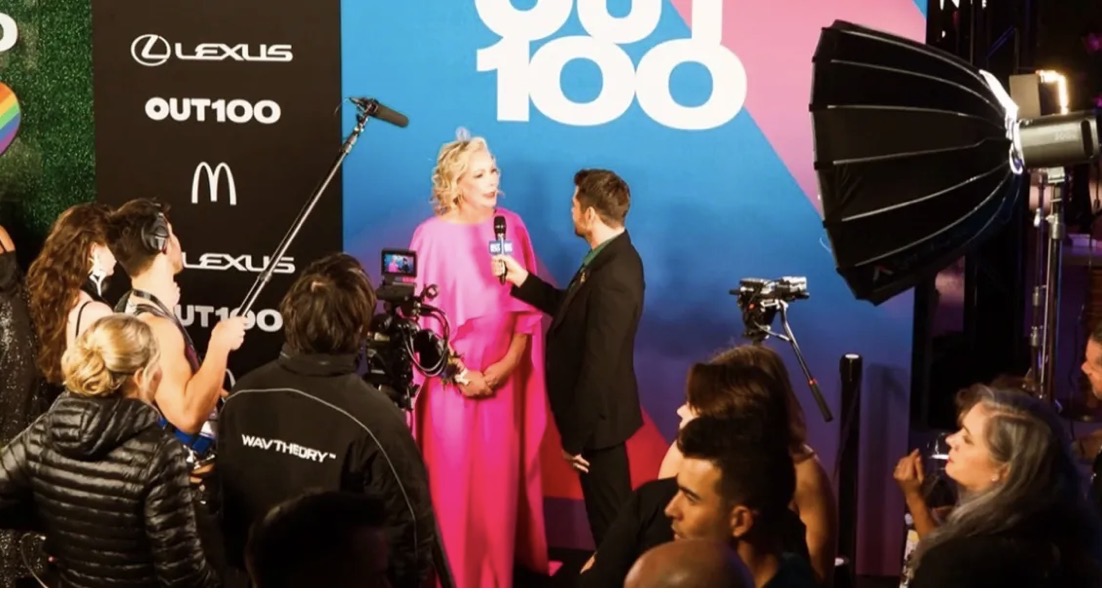
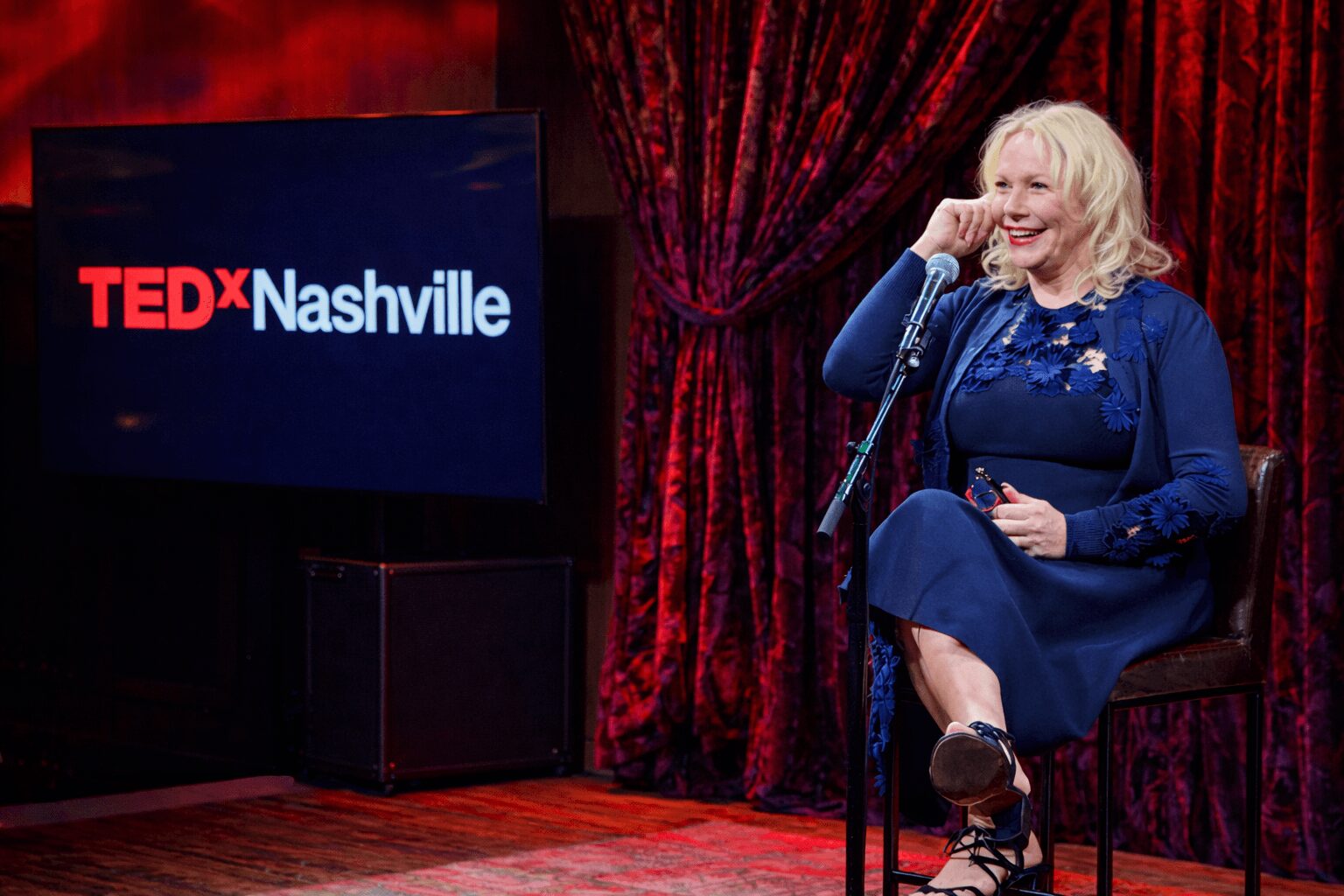
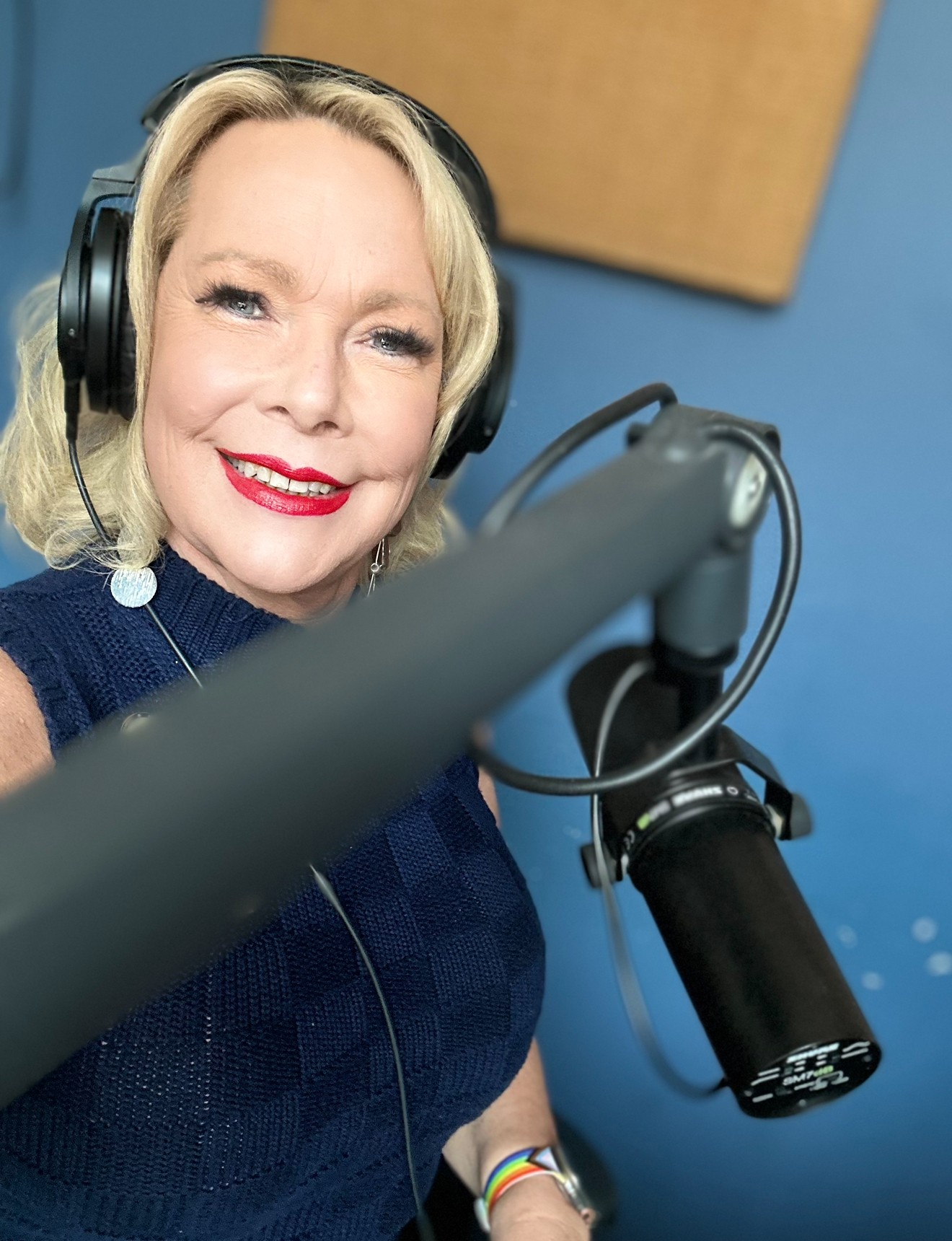
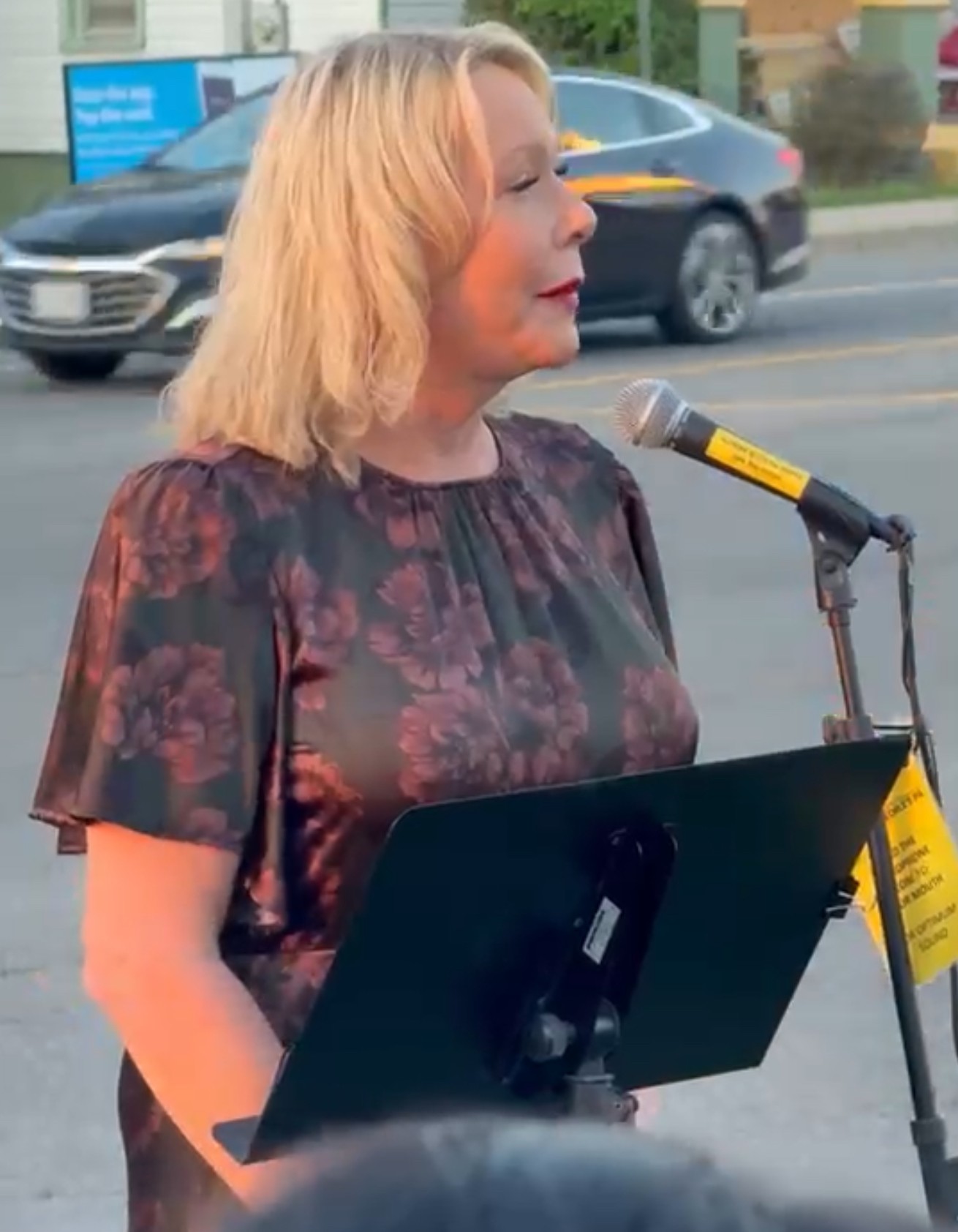
My other career is my speaking business, Olivia Speaks. I travel around the country speaking to corporations, universities, professional organizations and other groups about leadership, women’s rights, LGBTQ+ issues, privilege, authenticity and the importance of representation.
One of the things that sets my speaking apart is that I have experienced the world from two dramatically different perspectives. For most of my life, the world perceived me as a white man. Today, the world perceives me as a woman—and specifically as an openly transgender woman. That gives me an unusual perspective on privilege because I don’t have to discuss it only as an academic concept. I can tell you what changed in my own life.
I actually love when someone challenges me and says, “White male privilege may have existed decades ago, but what does it look like today?” Those are some of my favorite conversations because the answer isn’t always some enormous, dramatic act of discrimination. Often, it’s a thousand little things.
I can talk about walking down a sidewalk and realizing that men often expect me to move out of their way—something I never noticed when I presented as male. I can be at a business lunch that I arranged, and the server will initially direct questions toward the man sitting with me and then hand him the check. I can speak about being treated differently in professional conversations despite having exactly the same knowledge and experience I had before transition.
Women had talked about these things my entire life. I just didn’t understand how pervasive they were until I experienced them myself.
That’s probably what I am most proud of in both of my careers: taking the experiences of my life—even some of the painful ones—and turning them into something useful. Whether I’m helping one constituent navigate Metro government, working on infrastructure that affects an entire city, or standing in front of hundreds of people talking about privilege and equality, my goal is essentially the same.
I want people to leave an interaction with me feeling heard, respected and perhaps seeing something from a perspective they hadn’t considered before.
We love surprises, fun facts and unexpected stories. Is there something you can share that might surprise us?
This may be the hardest question for me to answer because I genuinely try to live my life as an open book. There isn’t much about me that I intentionally keep hidden anymore—and the word “anymore” is probably the important part of that sentence.
For most of my life, I hid enormous pieces of myself. I was so afraid someone would see the cracks in the masculine exterior I had created that I even hid things that had nothing to do with gender. I have always loved the arts. I love musicals, opera, dance music and so many other forms of artistic expression, but I was afraid that showing an interest in those things would somehow give me away. I would secretly listen to music I loved when I was alone, then step back into the world and portray this very masculine version of myself because that was who I thought I had to be.
One of the greatest gifts of transition has been realizing that I don’t have to hide any part of myself anymore.
That is also why everything I post on social media is public. I don’t limit my posts to friends or followers, and that is very intentional. Somewhere out there may be someone who wants to learn about a transgender person but isn’t comfortable clicking “follow” or sending a friend request where someone else might see it. Maybe they’re trying to understand a transgender child, family member, coworker or neighbor. Maybe they’re questioning something about themselves. Or maybe they’ve simply never known a transgender person.
I want them to be able to quietly come to my page, read what I write, see my life—the serious parts, the joyful parts, the successes, the struggles and everything in between—and leave without ever having to tell anyone they were there.
I spent most of my life hiding because I was terrified someone might discover who I really was. Today, I live as openly as I possibly can because somewhere, someone may need to see that life.
And if one person visits my page and walks away seeing transgender people just a little differently, then being an open book has been worth it.
Pricing:
- Speaking engagements through Olivia Speaks are individually priced based on the specific needs of each event.
- Pricing may vary depending on travel and related expenses, location, audience size, length and format of the engagement, and the amount of research and preparation required to create a presentation specifically for the audience.
- I work with corporations, universities, professional organizations, nonprofits, conferences and other groups, and I am always happy to discuss an organization’s needs and determine what works best for the event.
- For speaking inquiries, availability and booking information, please visit oliviahill247.com.
Contact Info:
- Website: https://oliviahill247.com/
- Instagram: https://www.instagram.com/oliviahill247
- Facebook: https://www.facebook.com/oliviahill247
- LinkedIn: https://www.linkedin.com/in/oliviahill247
- Threads: threads.net/@oliviahill247
- Youtube: https://www.youtube.com/@OliviaHill247
- TikTok: https://www.tiktok.com/@oliviahill247
- Other: https://oliviahill247.substack.com/