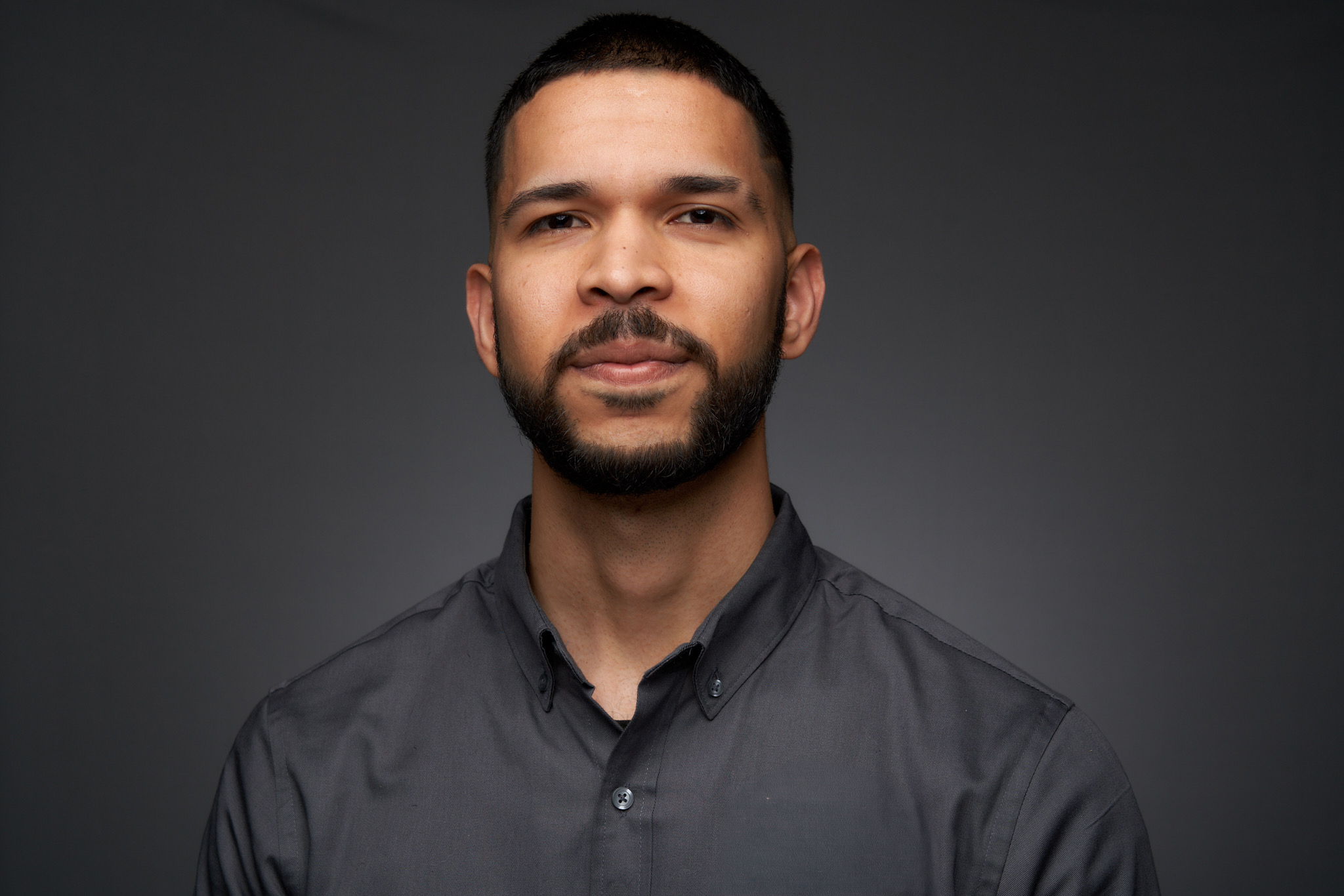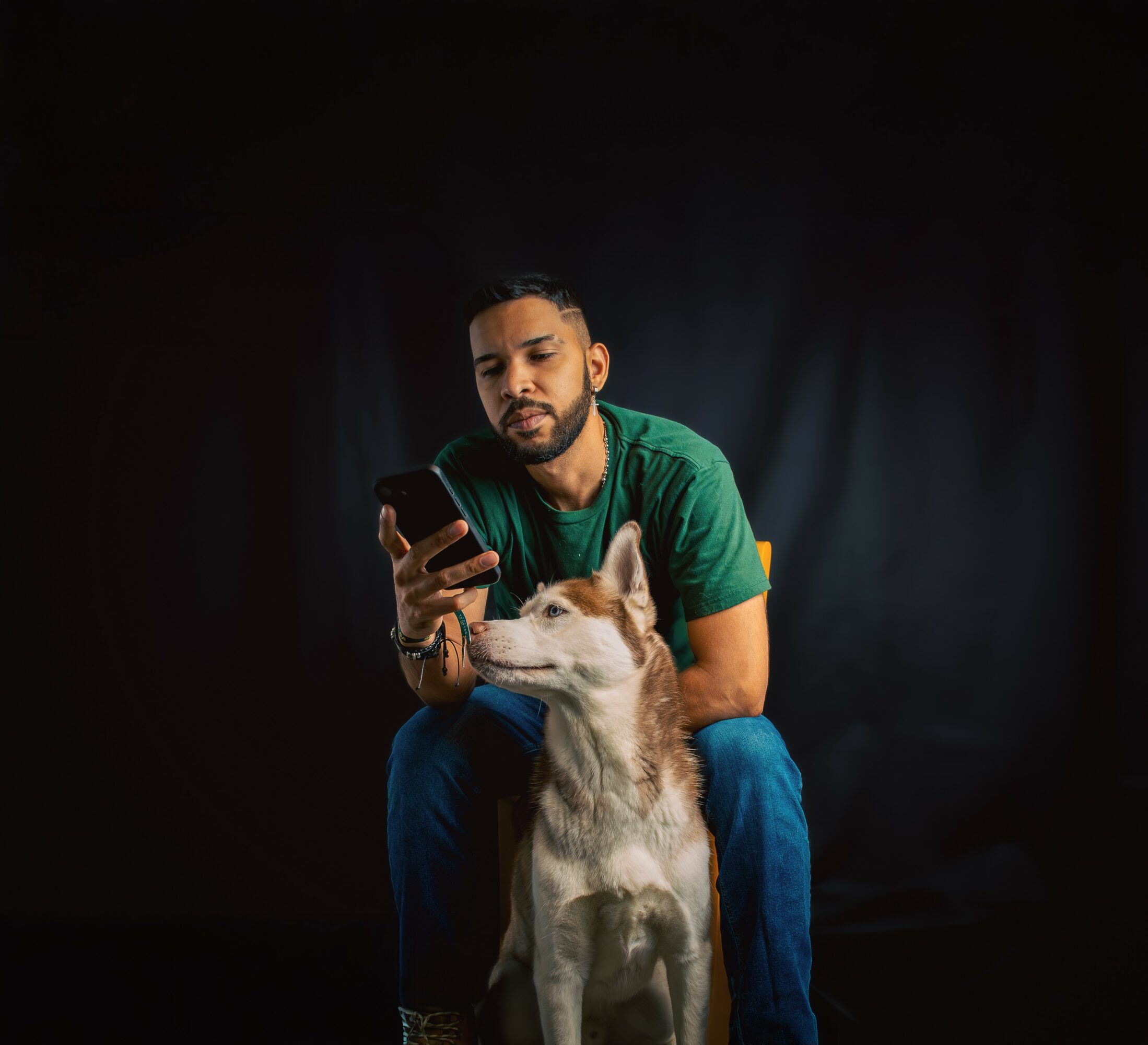





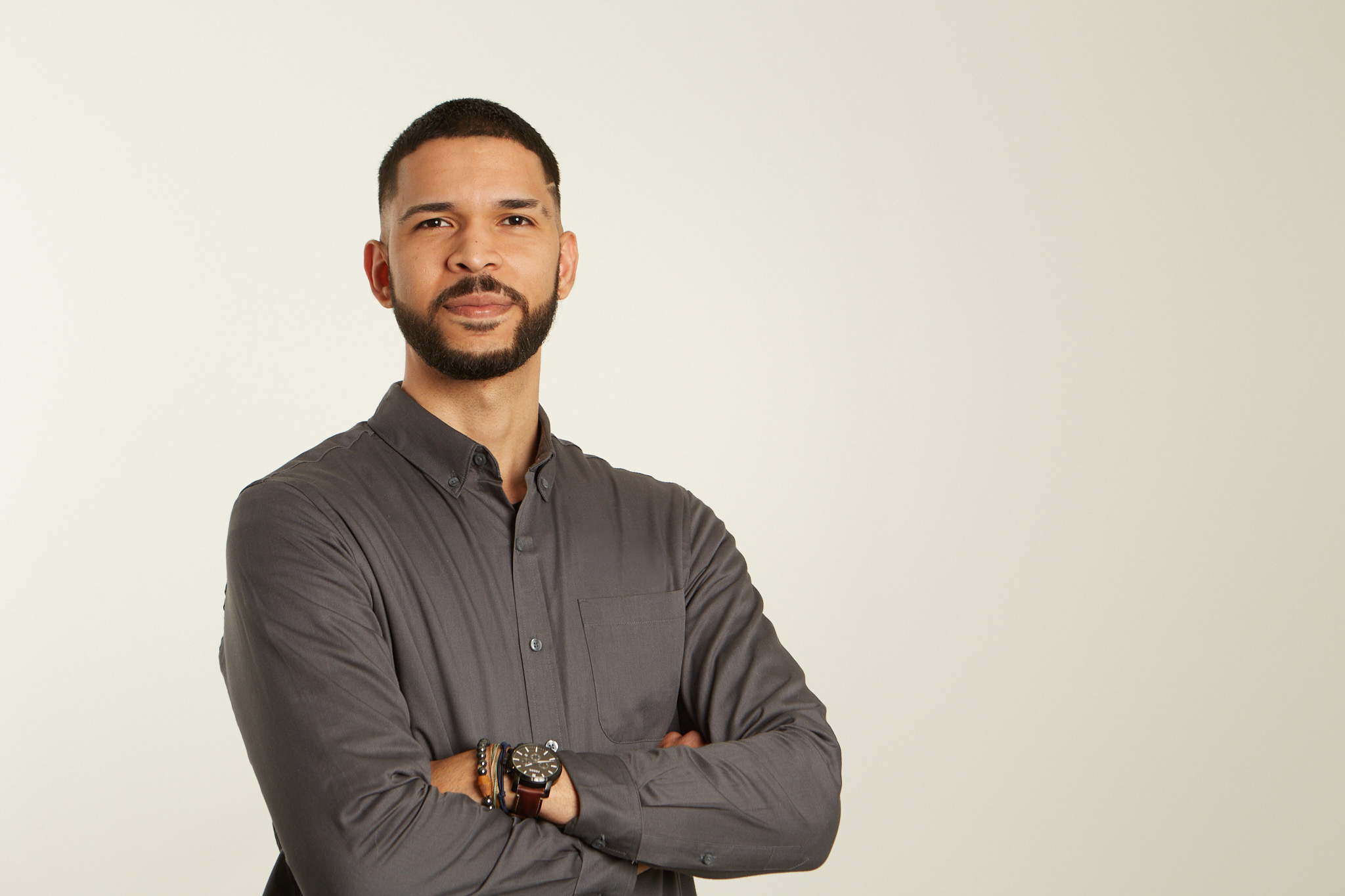
Today we’d like to introduce you to Andres Ravelo.
Alright, so thank you so much for sharing your story and insight with our readers. To kick things off, can you tell us a bit about how you got started?
When I was a kid, I never imagined that one day I would be here, in Tennessee, writing about myself and telling a story that started so far away.
I don’t think I ever had one specific moment where I said, “This is exactly what I’m going to do with my life.” My journey has been more about following small clues, trying things, meeting people, and slowly realizing that many of the things I loved doing were connected.
I was born in Caracas, Venezuela, in 1993, but I grew up in Maracaibo. If I go all the way back, I think part of this story started with my family and the environment I grew up around.
My dad had a computer that he used for work, and one day he came home with a program called Flash 5.0. I remember spending hours after school trying to understand how it worked. There was an exercise where you had to animate a falcon and make it move across the screen, and I became completely focused on figuring it out.
I had no idea any of that would matter later. I just loved creating things.
I also had another important influence at home: my mother. She worked for more than 15 years in the pharmaceutical industry in Venezuela and became a Marketing Manager. Growing up, I was exposed to conversations about marketing, business, presentations, products, and how companies communicate with people.
I don’t think I fully understood her influence at the time, but looking back now, I can see that some of my curiosity about brands, ideas, and business probably came from watching her career and the way she approached her work.
Years later, I studied Business Administration with a concentration in Marketing. During university, we developed concepts for products like an energy drink, a women’s underwear brand, and a streetwear brand. I really enjoyed taking an idea and figuring out its identity, presentation, and the story behind it.
I was also constantly experimenting with videos, graphics, and presentations. Around 2013–2015, I made funny videos with friends that started getting some attention in our community. There wasn’t really a business plan behind any of it. I was simply having fun creating.
Then life changed.
At the end of 2017, my family and I came to the United States during a very difficult period in Venezuela. The political and social situation had affected my family both directly and indirectly, and eventually we made the difficult decision to leave the country we called home and look for a safer place to begin again.
We came to the United States looking for safety and an opportunity to rebuild our lives, and I’m deeply grateful for the chance this country has given my family and me to start a new chapter.
After a short period in Florida, we eventually made our way to Antioch, Tennessee.
Like many immigrants starting over, my first jobs here were very different from what I had studied.
I worked in warehouses in the pharmaceutical and technology industries. One of the most meaningful experiences for me was working with GEODIS in an operation supporting Apple.
I started as an order picker and gradually worked my way up to Team Lead and later Step-Up Supervisor.
That experience taught me a lot about leadership, conflict resolution, working under pressure, understanding different personalities, and finding solutions when things didn’t go according to plan. I’m genuinely grateful for that chapter because many of those lessons still influence the way I work today.
But eventually, I realized I couldn’t see myself spending my entire career inside a warehouse.
I didn’t have a perfect plan. I just felt like there was another side of myself I needed to explore.
After a short period working deliveries while figuring out what came next, I got an opportunity at an apartment community in Antioch called Abbington Heights. I spent about two years there, meeting residents, vendors, coworkers, and people throughout the property management industry.
That path eventually brought me to Charleston Hall, where I continue to work today.
But throughout all of these chapters, something else had quietly been growing in the background.
PyraStreet.
For a long time, PyraStreet wasn’t an agency or a big business plan. It was simply the name I gave to the creative work I kept doing after work and on weekends.
The name itself is personal.
Growing up in Maracaibo, I lived in a residential community called Residencias Las Pirámides. “Pyra” was inspired by Pyramids, while “Street” represented the urban world I was naturally drawn to — music, fashion, people, events, and culture.
So in a way, PyraStreet has always carried a little piece of home with me.
Here in Tennessee, I started with small projects: editing photos for friends, designing flyers, making videos, creating custom shirts, and producing merchandise for businesses and events.
One project slowly led to another.
A friend of mine, Pedro, invited me to photograph and film a Puerto Rican artist named Jota Bee at an urban music event in Nashville. They liked what I created, and that opportunity led to more work with artists — flyers, photography, promotional videos, song artwork, lyric videos, music videos, and content.
That introduced me to more people in Nashville’s Latin and urban music community.
During that period, I also had the opportunity to work with Diamante Night Club, a popular Latin nightclub in Nashville at the time, creating photography, videos, flyers, and promotional content.
Eventually, I became involved in the promotion of the events as well. Pedro would help create opportunities for talented local artists to perform or open for larger artists coming to the city, while I focused on the advertising, visuals, and content around those shows.
And almost all of this was happening at night or on weekends while I still had my regular full-time job.
That’s really how PyraStreet has grown: little by little.
When the nightclub eventually closed, my work naturally started moving toward helping businesses and individuals with their branding, content, websites, marketing, and overall image.
Since then, I’ve had the opportunity to work on projects in very different worlds, from real estate and sports to agricultural businesses and other local companies.
I’m still building PyraStreet.
I’m still learning, experimenting with new technology and AI, meeting people, trying ideas, getting some things right, and learning from the things that don’t work.
When I look back, what once felt like a collection of unrelated chapters now feels like one long creative journey.
The kid experimenting with Flash in Maracaibo, the son watching his mother build a career in marketing, the university student, the immigrant starting as an order picker, the guy making flyers after work, the photographer at a Nashville nightclub, and the person building PyraStreet today are all the same person — just at different points in the story.
I don’t know exactly what PyraStreet will become yet, and I think that’s part of what makes it exciting.
I’m not trying to tell a story about having everything figured out. I’m still figuring it out as I go.
I just want to keep creating, learning, meeting good people, bringing interesting ideas to life, and seeing where this journey takes me.
So I guess this is less of a story about where I’ve arrived and more about where I’m going.
And if you want to follow along, come with me.
I think we’re going to have a lot of fun.
Would you say it’s been a smooth road, and if not what are some of the biggest challenges you’ve faced along the way?
It definitely hasn’t been a smooth road, but I think a lot of the difficult parts are also the reason I see things the way I do today.
One of the biggest challenges was simply starting over.
Leaving Venezuela wasn’t part of some career plan. My family and I came to the United States during a very difficult period in our country, and suddenly everything familiar was behind us. New country, new environment, new jobs, new people — basically a new life.
I had studied marketing, but when I arrived here, my priority wasn’t finding the perfect creative job. It was working, adapting, and moving forward. That’s how I ended up working in warehouses and eventually growing from an order picker to Team Lead and Step-Up Supervisor.
I’m proud of that chapter, but there was also an internal struggle happening. I was progressing professionally while at the same time asking myself, Is this really what I want to do for the rest of my life?
Walking away from something stable when you don’t have the next ten steps figured out can be uncomfortable.
And honestly, I still don’t have every step figured out.
Another challenge has been building PyraStreet while having a full-time career. For years, there was no dramatic moment where I quit everything and suddenly became a full-time creative. It has been much less glamorous than that.
A lot of PyraStreet was built after work, late at night, and on weekends.
Sometimes you’re tired. Sometimes an idea works and sometimes it doesn’t. Sometimes you spend hours creating something that doesn’t lead anywhere, and then a small project you almost didn’t think much about introduces you to someone who changes the direction of everything.
I’ve had to learn to be patient with that.
When Diamante Night Club closed, for example, an important creative chapter ended. But instead of being the end of PyraStreet, it pushed me to explore other industries and understand that what I enjoyed wasn’t only nightlife, music, or entertainment — it was helping people communicate ideas creatively.
Probably one of my biggest personal challenges has been accepting that I don’t need to have everything figured out before I move forward.
I used to think you needed the perfect plan, the perfect equipment, the perfect portfolio, or the perfect moment. Now I’m much more comfortable learning while I build.
I’m still working on PyraStreet little by little. There are things I want to improve, things I’m experimenting with, and plenty I still need to learn.
But I think that’s okay.
If the road had been completely smooth, I probably wouldn’t have learned nearly as much about people, leadership, creativity, adaptability, or myself.
So no, it hasn’t been a smooth road.
But it has definitely been an interesting one — and I wouldn’t want the rest of the journey to be too predictable either.
Appreciate you sharing that. What else should we know about what you do?
The easiest way to describe what I do is that I help people turn ideas into something others can see, understand, and connect with.
Through PyraStreet, that can mean branding, photography, video, social media content, websites, campaigns, or simply helping someone figure out how to present an idea in a better way.
I don’t really see PyraStreet as a traditional marketing agency. I’m still building it, and I see it more as a creative space where strategy, design, content, technology, and storytelling can come together depending on what a project needs.
I’ve worked with very different industries — from music and nightlife to real estate, sports, agricultural businesses, and local companies. I actually enjoy that variety because every project forces me to learn something new.
What I’m most proud of is that PyraStreet has continued to grow little by little. There was never one big launch. It has been built through nights, weekends, experiments, mistakes, relationships, and people trusting me with their ideas.
As far as what sets me apart, I don’t like to say that I’m better or more different than other creatives. There are a lot of talented people out there.
What I can say is that my background has taught me to look at projects from both a creative and practical perspective. I want something to look good, but I’m also thinking: Does it communicate? Does it connect with the right people? Does it actually help?
I think that balance is probably the best way to describe my work.
And I’m still learning, experimenting, and discovering what PyraStreet can become.
Do you have any memories from childhood that you can share with us?
Some of my favorite memories from growing up are actually pretty simple: sitting in front of a computer for hours and experimenting with whatever I could get my hands on.
I remember spending a lot of time with Flash 5.0, trying to create animations and understand how things moved on a screen. Later, I discovered FL Studio and started experimenting with music, sounds, editing, and anything that allowed me to create something from scratch.
As I got older, that curiosity turned into making funny videos with friends. During my teenage years and early adulthood, some of those videos started getting a little attention on social media, which was exciting at the time. We weren’t trying to become creators or build a business — we were just having fun and making each other laugh.
That same creative energy followed me into university, where I found myself enjoying presentations, branding projects, videos, and anything that gave me an excuse to create.
So I don’t know if I have one single favorite childhood memory. I think it’s more the memory of having enough curiosity and free time to sit in front of a computer for hours, experiment, make weird things, and have absolutely no idea that years later those same interests would still be part of my life.
Contact Info: