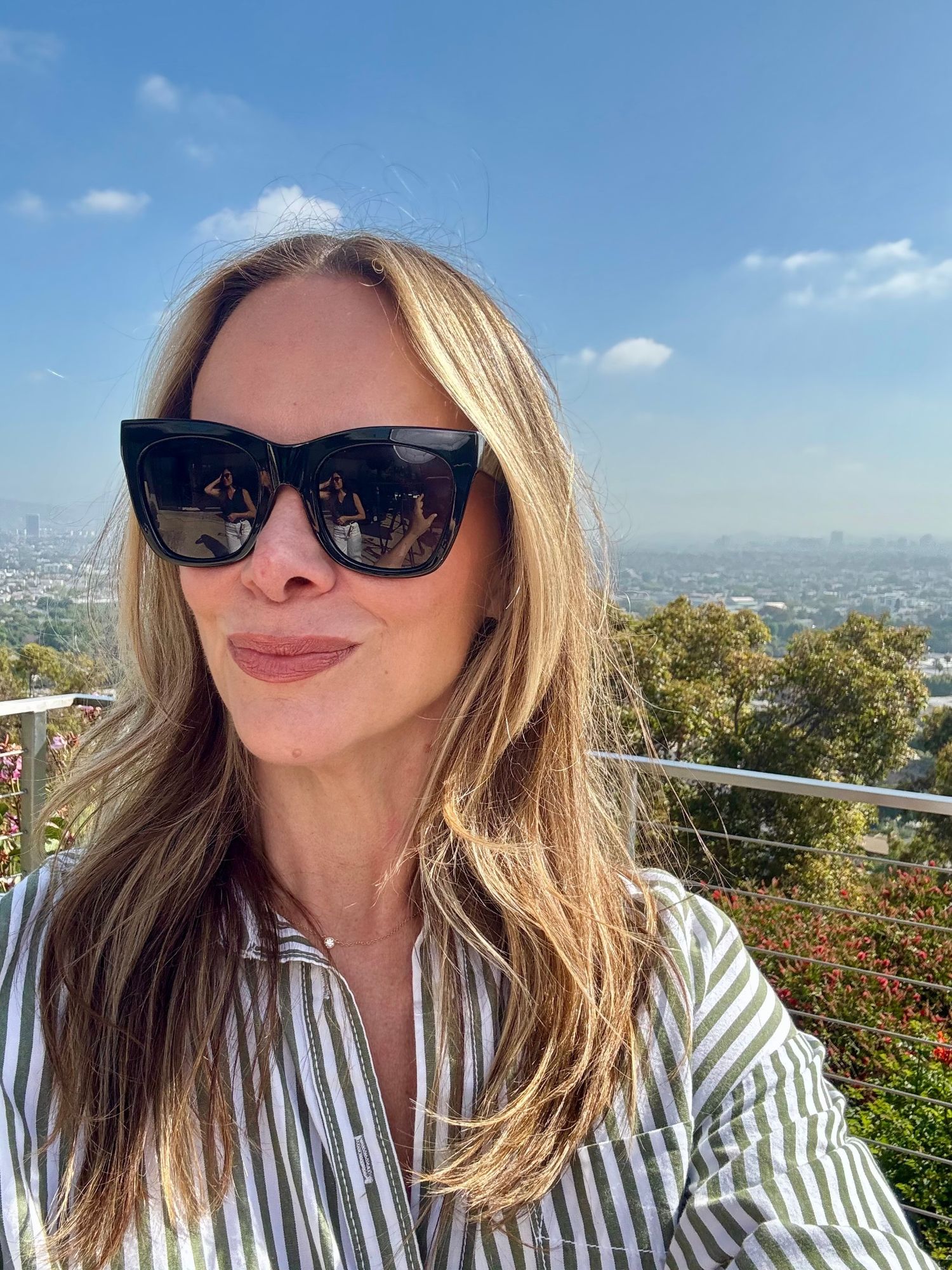




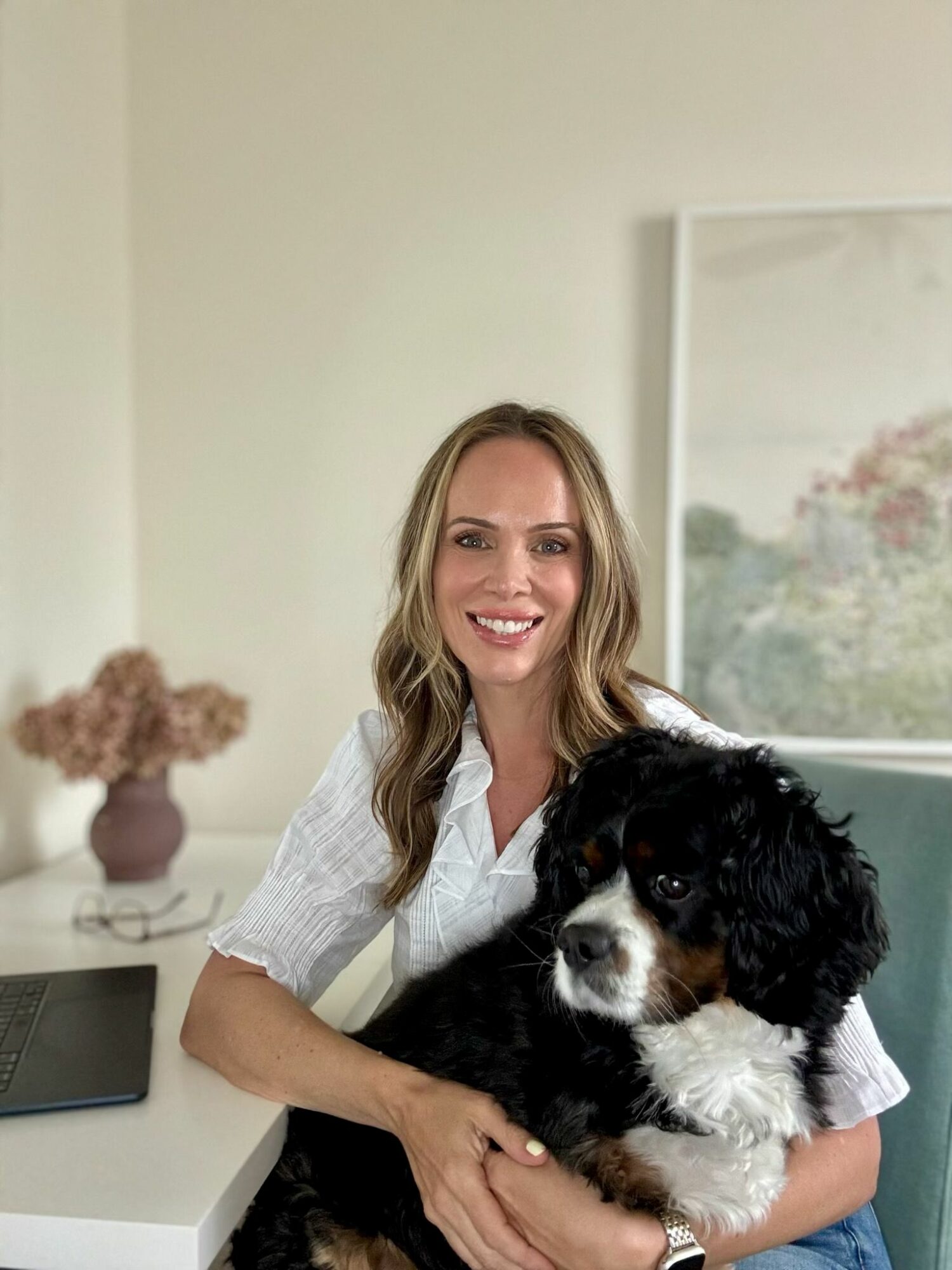
Today we’d like to introduce you to Dominique Paul.
Hi Dominique, thanks for joining us today. We’d love for you to start by introducing yourself.
I’ve always been a writer. I started keeping journals when I was in elementary school and eventually wrote my first novel, The Possibility of Fireflies (Simon & Schuster), when I turned 30. Getting published was the proudest moment of my life. The book was quickly optioned by Hollywood, I wrote the screenplay, and we cast the film with A-list casting director John Papsidera. Courtney Love and Elle Fanning signed on to star, but the project fell apart multiple times due to financing issues. It was heartbreaking and frustrating.
My manager, Ross Fineman (The Lincoln Lawyer, Goliath), thankfully never gave up on me. I adapted my novel into a TV pilot and began taking meetings across Los Angeles. I’ll never forget driving onto the Paramount lot one afternoon thinking, I’ve done it. I’m living my dream.
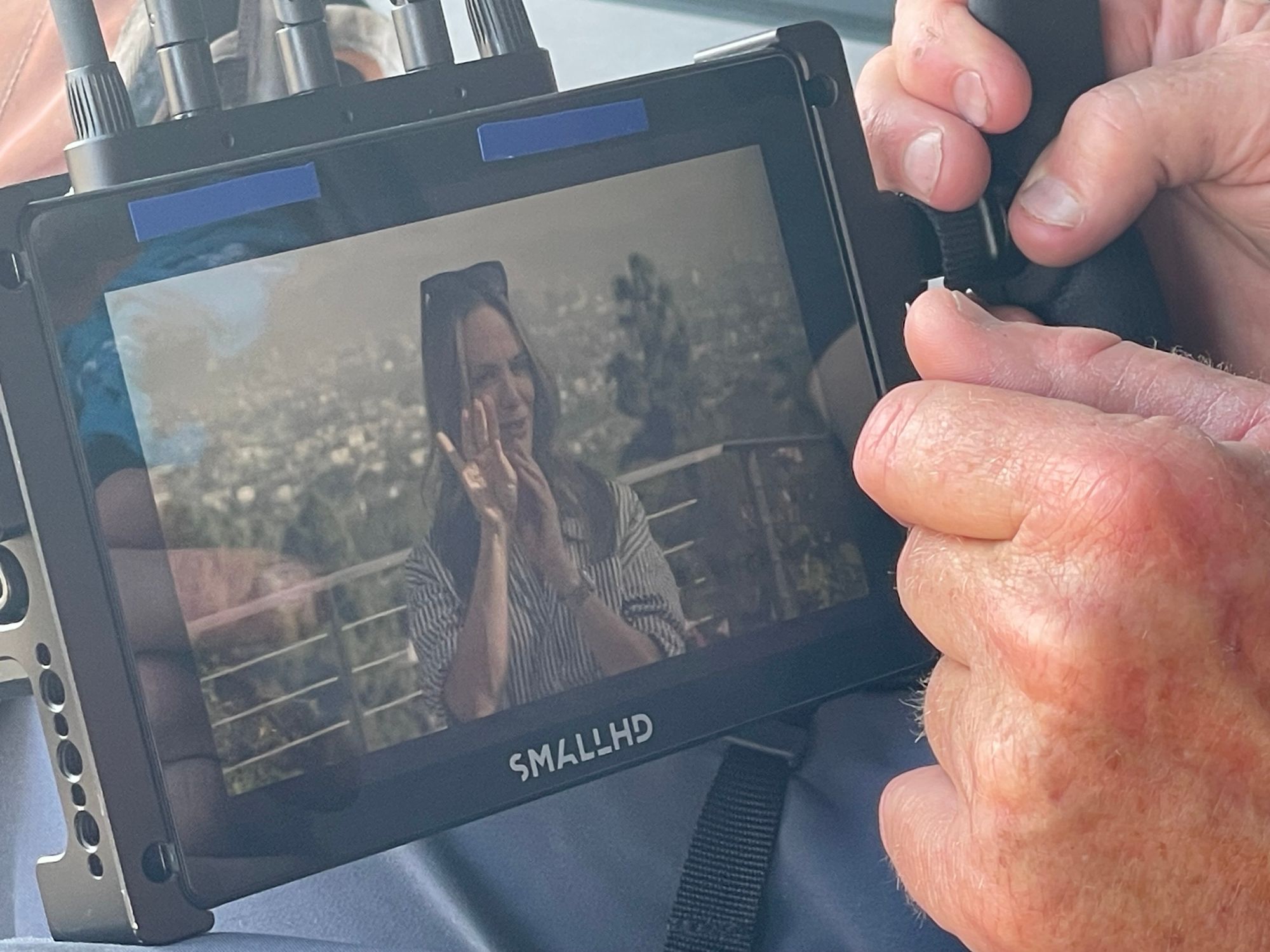
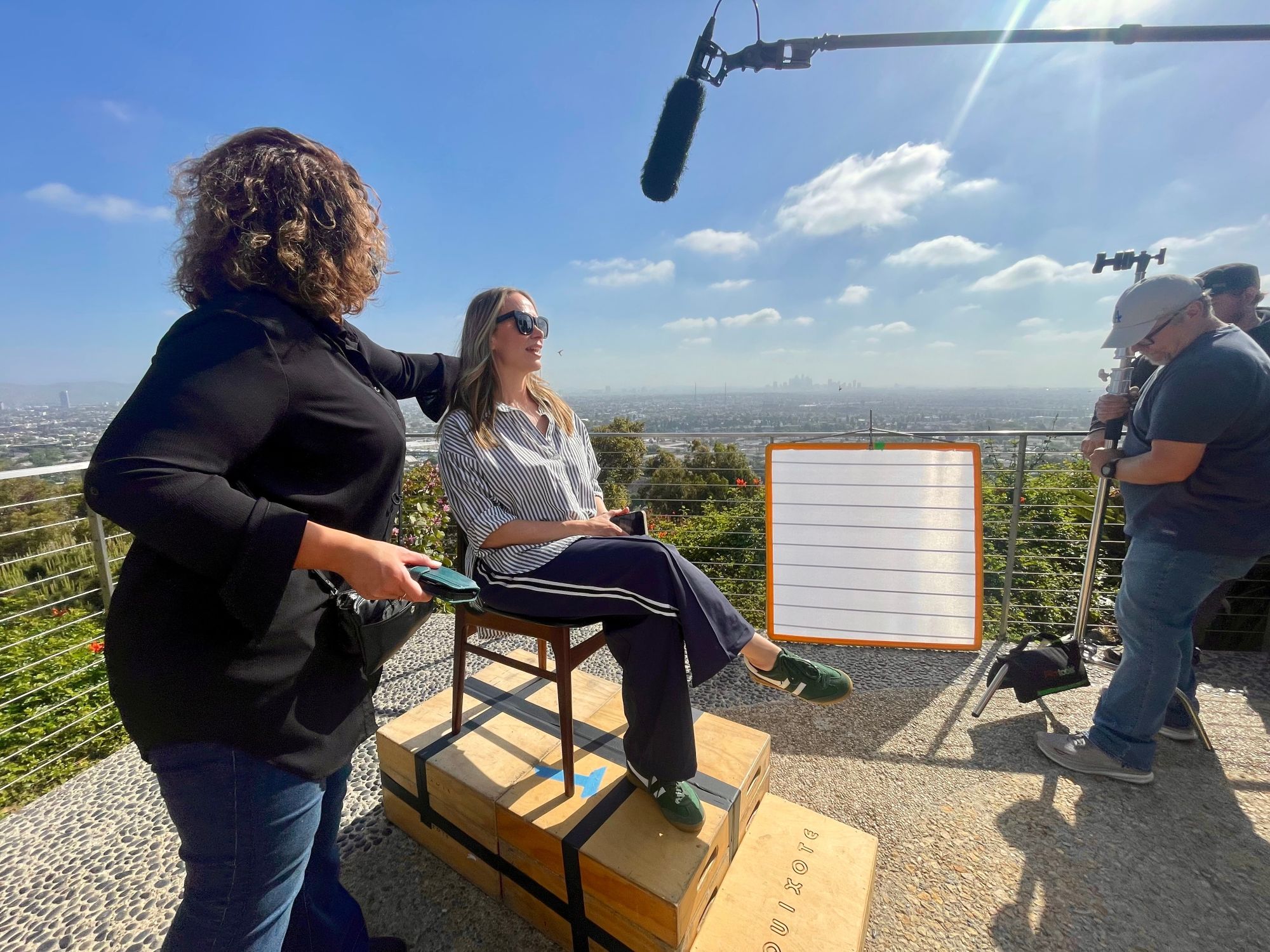
During one of those meetings, a female executive told me the network needed more women in true crime and introduced me to a production company. The next day, I was hired to write and produce A Wedding and a Murder for Oxygen. I’d never written true crime or worked in unscripted television, but that first show led to eight steady years in the genre.
Then the pandemic hit. During lockdown I was forced to face the reality of what life in Los Angeles had become. Frankly, I was burnt out. I had only been to Nashville once–in 2016, the weekend Prince died–and I remembered driving to Franklin during the Main Street Festival, standing in the square and thinking, How odd. I feel like I’m going to live here one day. In 2020, when I prayed about leaving LA, that memory came back to me like a sign. So, I packed up and moved to Franklin.
I continued to work remotely after I arrived but wanted to connect more deeply with my new community. I began leading True Crime Tours with Franklin Walking Tours and later became Managing Editor of Your Williamson magazine. Through that role, I met so many wonderful people–interviewing Gary Sinise, attending the Bitcoin conference with President Trump, judging cakes at the county fair, even attending my first rodeo.
This past summer, a project I’d been developing in LA was greenlit for a pilot at Netflix. I flew back to shoot it, but deep down, I worried that if the show went to series, I’d have to return to LA full-time. When Netflix ultimately passed, I felt an unexpected sense of relief. Relief? Wasn’t this everything I’d worked for? That moment became a turning point.
I realized that what I wanted most wasn’t Hollywood validation—it was the peace that comes from doing what I love: writing.
We all face challenges, but looking back would you describe it as a relatively smooth road?
There have been a lot of twists in my journey–and if I’ve learned anything, it’s that “making it” doesn’t always look the way you think it will. I’ve had projects fall apart after years of work, studios change leadership mid-deal, and doors that seemed wide open suddenly close. Each time, I had to decide whether to see that as failure or redirection.
The hardest part for me was never the rejection; it was the uncertainty. In Hollywood, so much of your self-worth can get tied to your current gig or whether something gets greenlit. When the Fireflies film collapsed after we’d cast it, I was crushed. But losing it taught me resilience, humility, and how to pivot creatively.
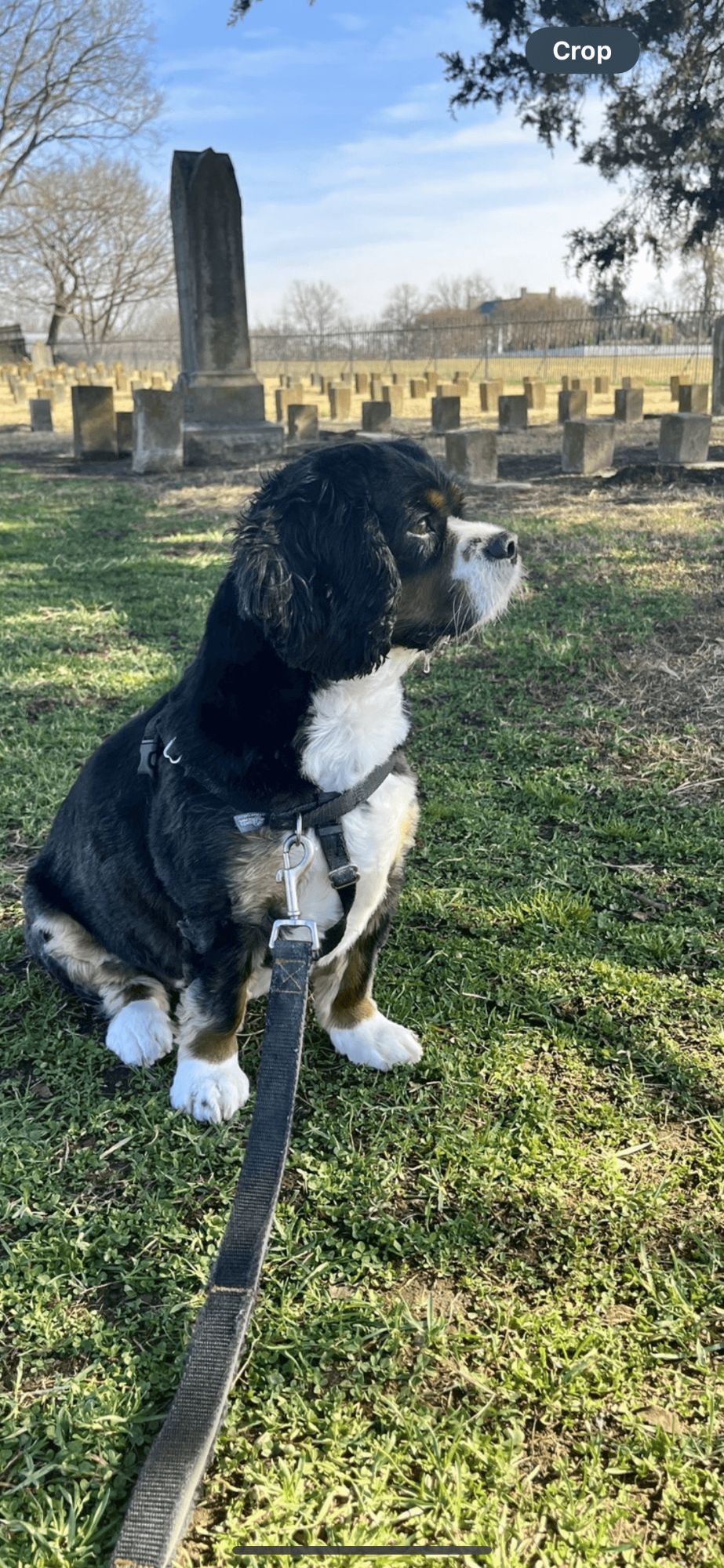
Moving across the country during the pandemic was another huge leap of faith. I didn’t have a plan other than trusting that if I kept writing, I’d find my footing. The first few months were lonely–I went from big-city production meetings to quiet walks through downtown Franklin and Carnton Plantation with my dog wondering if I’d made a mistake. But that stillness turned out to be the best thing that ever happened to me. It gave me perspective (and a ton of inspiration for my next novel!).
Appreciate you sharing that. What else should we know about what you do?
I’d say some of my best-known work is the work I’ve done in the unscripted TV space. I’ve written and produced for well-known shows like Snapped, Killer Couples, Citizen Detective, and more. If you had told me growing up that I would work in true crime, I would have said you were crazy–I was never a huge fan of the genre. But my years in true crime served as a sort of storytelling boot camp. The deadlines are impossible, the stories are heartbreaking, and since they’re all true, there’s a lot of importance on getting it right factually while still holding the audience’s attention. Writing about the worst day of someone’s life isn’t for the faint of heart, and I’ve kept my hands in other kinds of storytelling to stay balanced. I’ve developed a few scripted TV shows, including one inspired by my time in middle Tennessee, and I’m currently at work on my second novel.
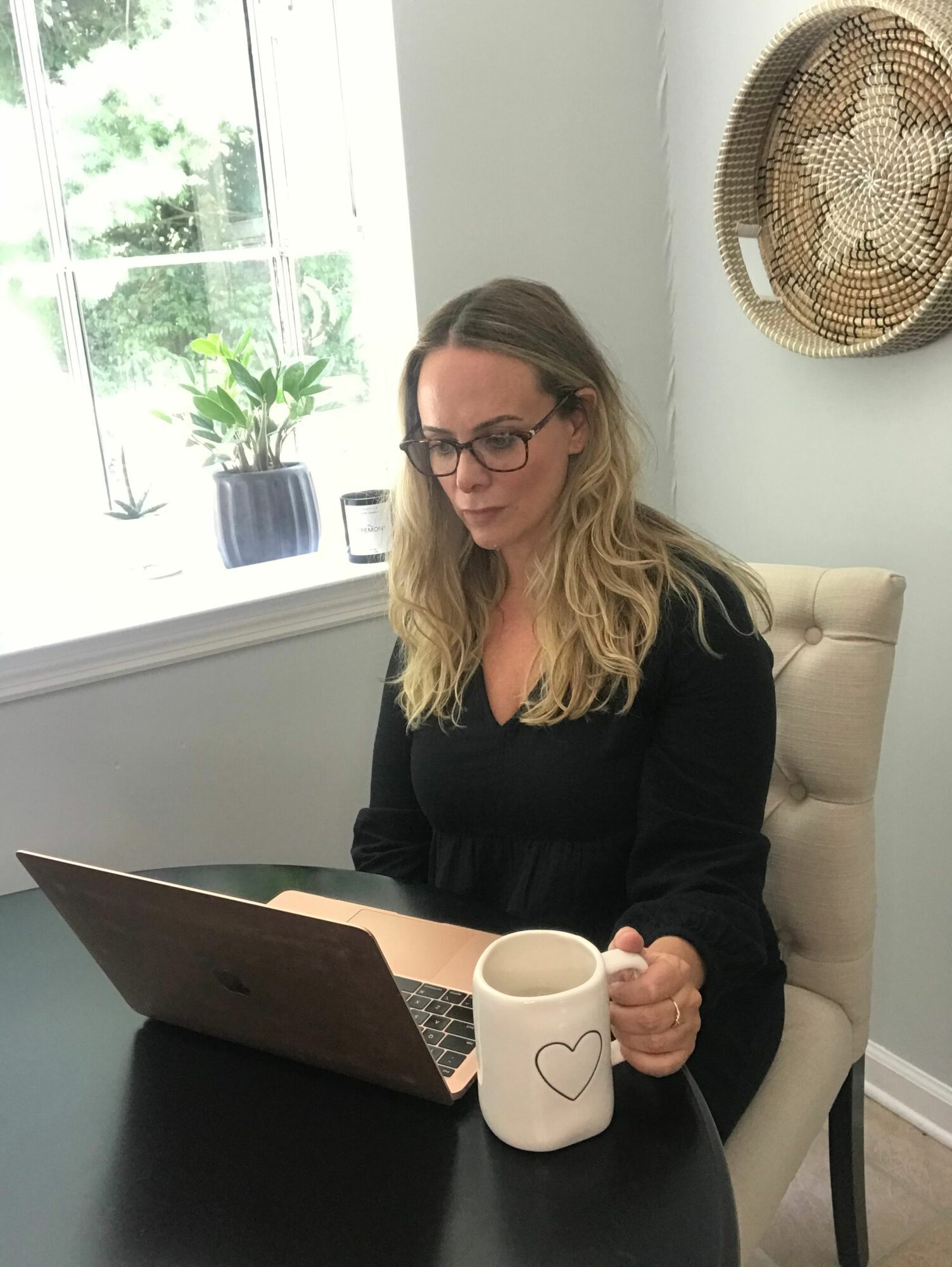
I also work as a writing coach, ghostwriter, and story consultant for writers, public figures, and creatives who have something meaningful to say but need help shaping it into a story that resonates. Some come to me with a half-finished manuscript or just a jumble of notes. My role is to help them find their emotional through-line and build a story that’s authentic, well-structured, and ready for the world. Because of my background in both publishing and Hollywood, I bring a blend of literary and screen sensibility to the table. I understand how to develop material that not only moves people but also sells. Helping someone put their experience into words–and seeing the transformation that happens when they finally recognize the power of their own story–is some of the most fulfilling work I’ve ever done.
I’ve also found that, in the dawn of AI, people need my skill set more than ever. Hemingway famously said, “All you have to do is write one true sentence. Write the truest sentence that you know.” AI can’t do that. It knows how to mimic what is human, but of course can never truly experience it. Writing doesn’t always have to be jazz hands either. Sometimes the most powerful lines in literature are the simplest ones. Like this line from The Sun Also Rises: “We ate well and cheaply and drank well and cheaply and slept well and warm together and loved each other.” It’s a list–spare and abruptly written as only Hemingway could do it–that somehow captures a whole life in one breath. It’s also extremely confident in its simplicity. Go back and read any great work of literature, the Bible even–especially the Bible, actually–and you can feel how the pages are alive with the breath of the person who wrote them. That can’t be generated.
We’ve been telling stories of our lived experiences since the campfire days. People want to relate to one another, and story is how we do that. Not plot–story. I’m certain it will outlive us all.
Do you any memories from childhood that you can share with us?
My favorite childhood memories are the quiet ones–sitting outside at dusk with a notebook, watching fireflies, listening to cicadas, and letting my imagination wander. That’s where my love of storytelling began: in those in-between moments when the world felt big and full of possibility. I remember being about ten years old, thinking, One day, I’m going to write something that makes people feel less alone. I didn’t know what that meant back then–but in a way, that promise has guided every creative decision I’ve made since.
Contact Info:
- Website: www.dominiquepaul.com
- Instagram: @domipaul
- Linkedin: https://www.linkedin.com/in/dominique-paul-1bb5b922/