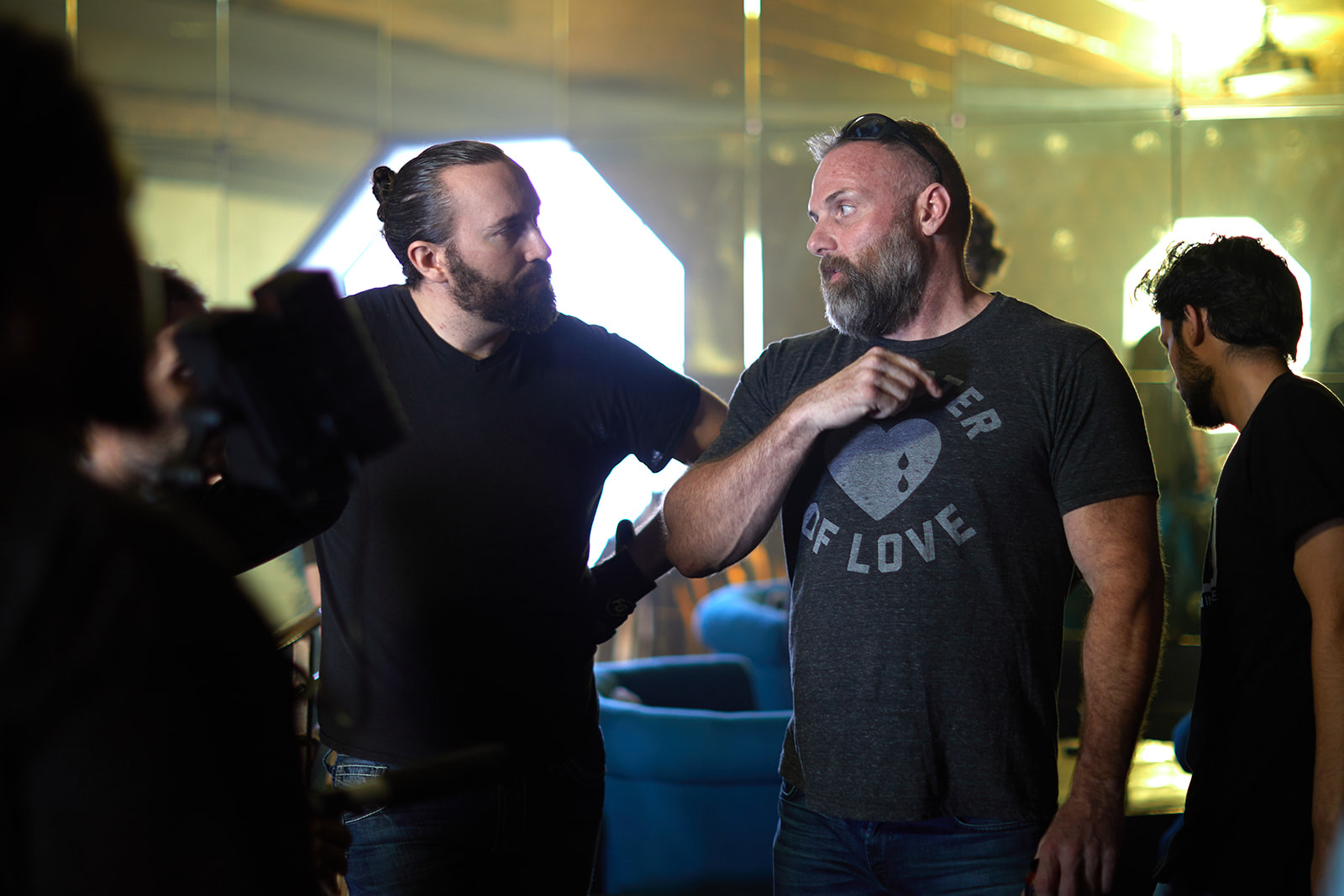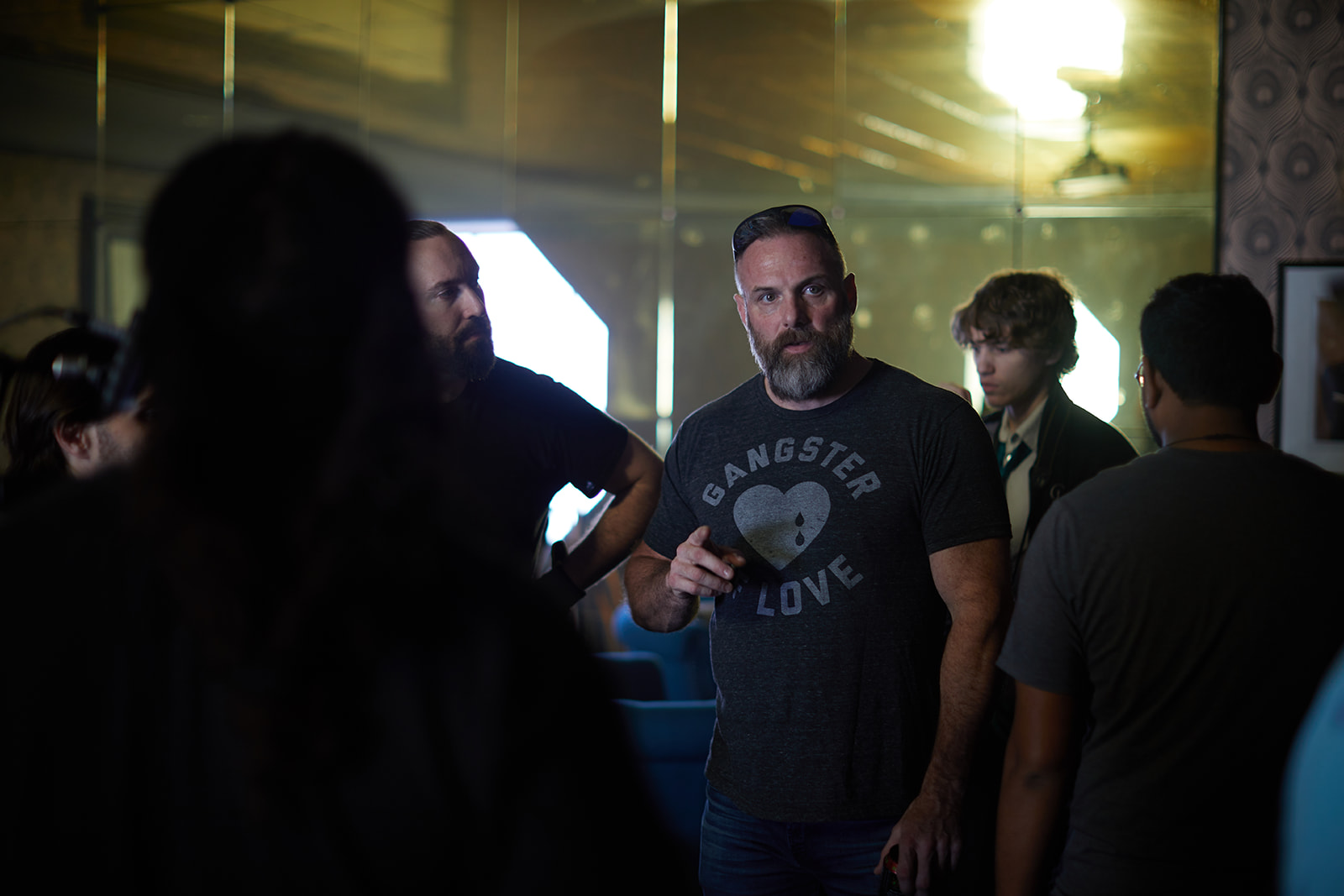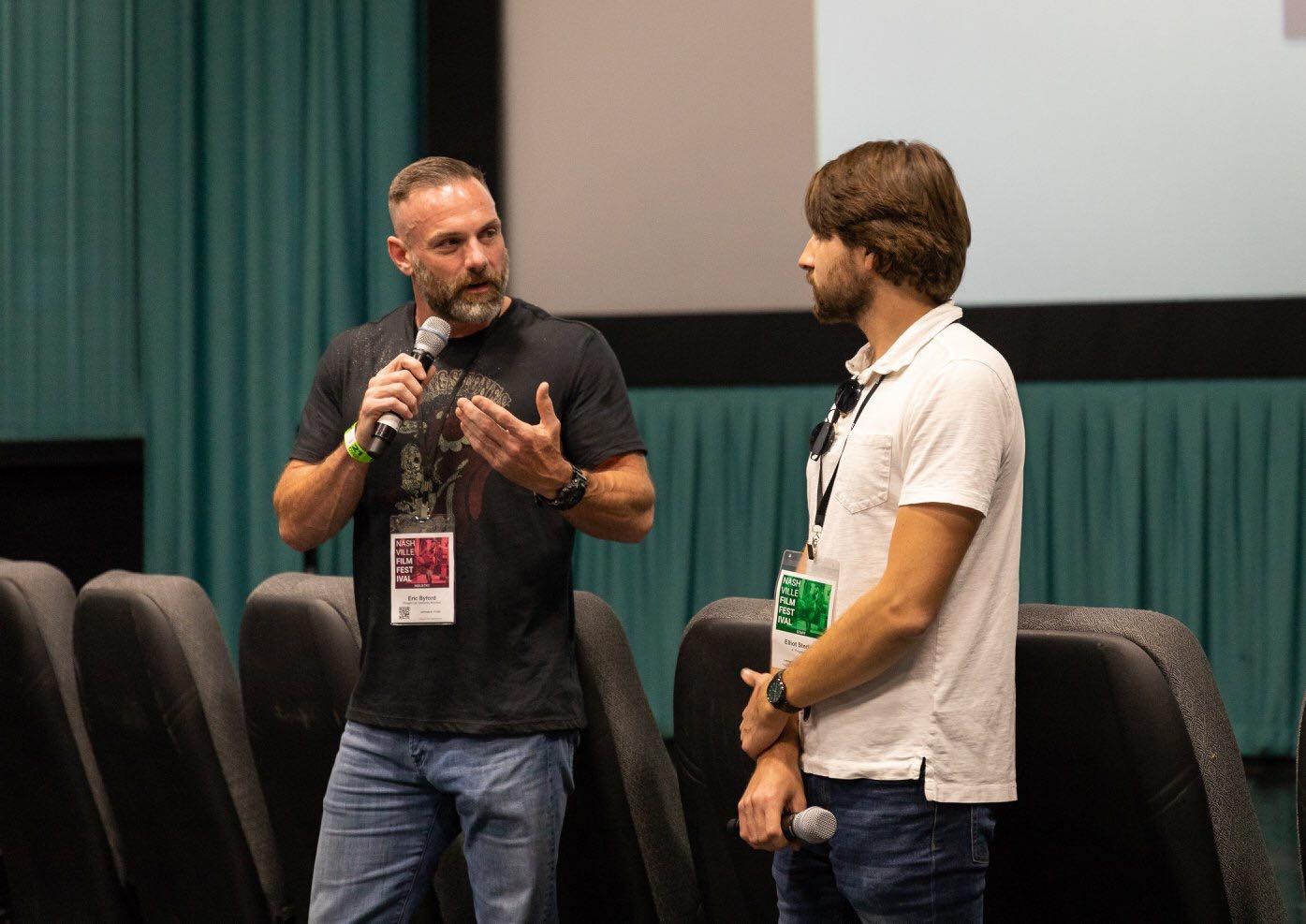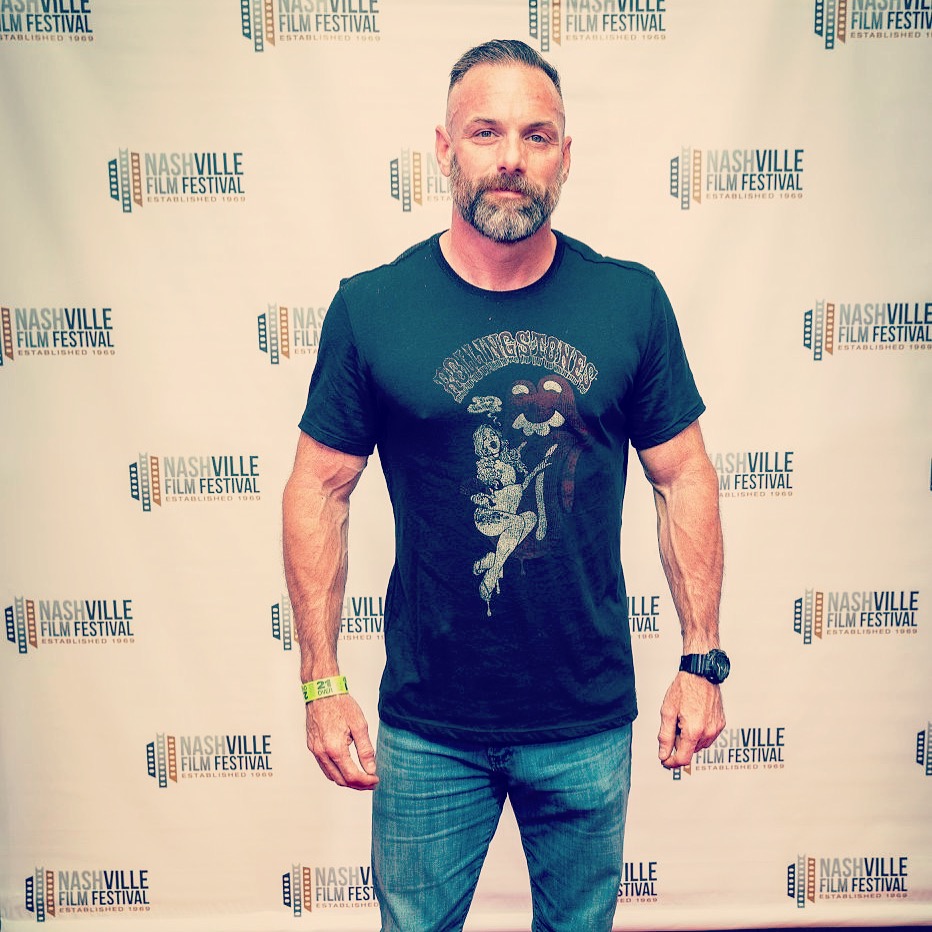





Today we’d like to introduce you to Eric Byford.
Hi Eric, thanks for sharing your story with us. To start, maybe you can tell our readers some of your backstory.
My story has always been about taking an idea, believing in it, and finding a way to turn that idea into something real.
I graduated from the University of Tennessee with a background in broadcasting and communications, but my career has never followed a traditional path. I’ve worked in radio, nightlife, marketing, television, film, live-event production and entertainment, and I’ve been fortunate enough to build and create several ventures of my own. Looking back, there has always been one common thread running through all of it: storytelling, creating opportunities and bringing people together.
At 38, I made the decision to go back to school and pursue something I had always wanted to do—filmmaking. I attended Nashville Film Institute, and while there I wrote, produced and directed a student documentary called Straight Up: Tennessee Whiskey. That film went on to win the Tennessee Golden Filmmaker Award at the Nashville Film Festival, and that moment completely changed the trajectory of my creative career.
It ultimately led to my first feature documentary, Straight Up: Kentucky Bourbon, and opened doors for me to continue working across film, television, music and entertainment production.
Now, more than a decade later, I’m coming full circle by developing a professional, feature-length remake of Straight Up: Tennessee Whiskey.
This isn’t simply remaking an old film with a bigger budget. The original was created by a film student trying to tell a story he believed mattered. Today, I’m returning to that story with more than a decade of professional experience, relationships and perspective.
The new Straight Up: Tennessee Whiskey will take a much deeper look at the history and legacy of Tennessee whiskey while also exploring the modern industry through its people, economics, politics, culture, music and the challenges facing it today. I want to hear from the historians and distillers, but also the people whose voices and perspectives haven’t always been included in telling this story.
And yes, we’re dreaming big with it. The Nashville Film Festival is where this journey began, and my goal is to return with a film capable of competing at the highest level, pursue the Oscar-qualifying path and create a soundtrack that can stand alongside the documentary as its own cultural statement. I believe if you’re going to chase a dream, there’s nothing wrong with putting a big target on the wall.
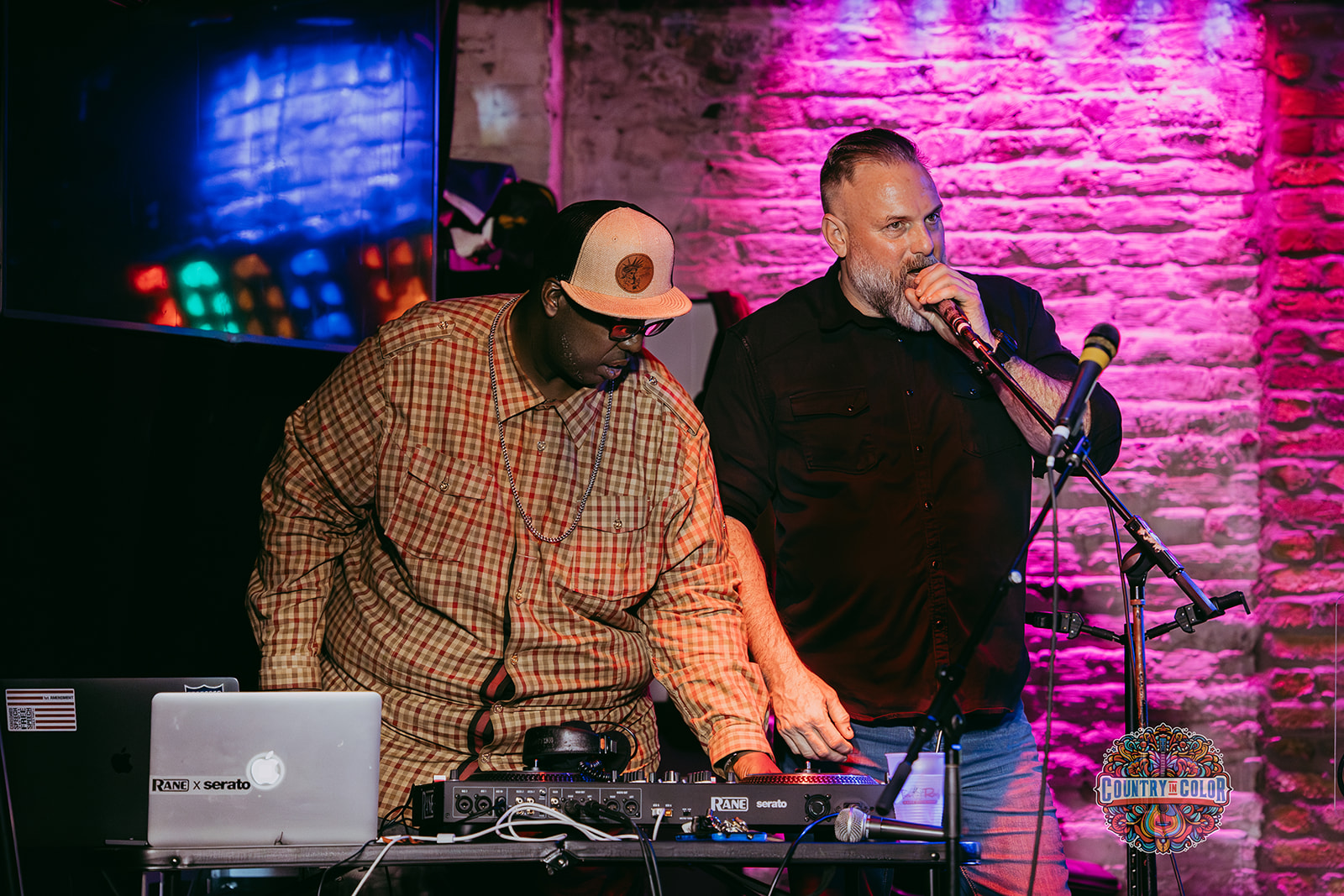
Another major chapter in my life has been building Country in Color through EBX Productions. I created Country in Color around a simple belief: country music should have room for everybody. What began as an idea has grown into live showcases, radio programming, partnerships and opportunities for independent artists. Our mission—“Diversity through Inclusion, powered by Unity”—is ultimately about bringing people together and giving talented artists legitimate opportunities to be seen and heard.
That work has also connected me more deeply to the musical history of North Nashville and Historic Jefferson Street. Through collaborations with Dr. Fredrick Weathersby of Muzixity and Nashville Monday Night Jazz, Lil Timme and the 615 Muzik Festival, I’ve become increasingly passionate about doing my part to help preserve, celebrate and revitalize one of the most historically significant musical communities in Nashville.
I’ve also found myself returning to my broadcasting roots. Whether I’m behind a microphone, in a press box, producing a live event, working with an artist or standing behind a camera, I’ve realized that these aren’t really separate careers. They’re different expressions of the same purpose.
I’m a storyteller and a builder.
My journey hasn’t been a straight line, and I’m grateful for that. There have been successes, failures, reinventions and some extremely difficult chapters. Through all of it, my faith, my three sons and the people God has intentionally placed in my life have kept me moving forward.
At this point in my life, success means more than seeing my own name on something. I want to create things that matter, tell stories worth preserving, build platforms that give other people opportunities and leave something meaningful behind for my sons.
In many ways, Straight Up: Tennessee Whiskey represents that entire journey. The film that helped start my career is now becoming the film I hope defines its next chapter.
And I feel like I’m just getting started.
Would you say it’s been a smooth road, and if not what are some of the biggest challenges you’ve faced along the way?
No, it definitely has not been a smooth road—and I think that’s an important part of my story.
I’ve experienced some incredible highs in this industry, but I’ve also learned that creating something and getting it into the marketplace is only part of the battle. Protecting your work, understanding the business behind the creativity and making sure you are properly compensated can be just as important.
One of the biggest challenges I’m dealing with today involves my feature documentary, Straight Up: Kentucky Bourbon. The film received distribution through The Orchard, which later became part of Sony Music Entertainment. Despite the film being available through distribution, I have concerns regarding royalties and accounting that I believe remain unpaid or unresolved. I am actively seeking an experienced entertainment attorney to review the situation, the distribution agreements and accounting, and help determine what compensation may be owed.
That experience has taught me an extremely valuable lesson as an independent filmmaker: owning your creativity and protecting your creativity are two very different things. Independent filmmakers and artists can spend years developing a project, financing it, producing it and putting everything they have into it. You also have to understand contracts, distribution, accounting, rights and the business infrastructure surrounding your work.
But my challenges have gone far beyond business.
There have been moments in my life when simply surviving was the victory. I survived being stabbed ten times in an attack that nearly took my life. I went through surgeries, a coma, months of recovery and ultimately had to rebuild physically and emotionally. There have been other extremely dark periods since then that forced me to reevaluate who I am, what matters to me and why I’m still here.
Those experiences changed my definition of success.
Today, my faith and my sons are at the center of everything I do. I’ve learned that setbacks don’t necessarily mean you’re on the wrong path. Sometimes they force you to become stronger, wiser and more intentional about the path you’re already on.
That perspective is also influencing the professional remake of Straight Up: Tennessee Whiskey. I’m approaching this film with the lessons I’ve learned—not only creatively, but from the business and distribution side as well. I want to build this project correctly from the beginning, protect the film and everyone involved with it, and ultimately position it to compete at the highest possible level.
I’ve learned how to survive. Now I’m learning how to turn survival into purpose.
That may ultimately be the most important project I ever produce.
As you know, we’re big fans of you and your work. For our readers who might not be as familiar what can you tell them about what you do?
My work lives at the intersection of film, television, music, broadcasting, live entertainment and cultural storytelling. I’m a producer, filmmaker, broadcaster and entrepreneur, but more than anything, I consider myself a creator and builder. I love taking something that begins as an idea and assembling the people, partnerships and resources necessary to make it real.
Through EBX Productions, I’ve produced films, television, music videos, commercials, live events and entertainment programming. One of the things I’m most proud of is that I’ve never allowed myself to be confined to one lane. My broadcasting background from the University of Tennessee influences how I communicate; filmmaking taught me how to tell deeper stories; live-event production taught me how to create experiences; and entrepreneurship taught me how to build opportunities when there wasn’t already a seat available at the table.
Filmmaking remains one of my greatest passions. My student documentary, Straight Up: Tennessee Whiskey, won the Tennessee Golden Filmmaker Award at the Nashville Film Festival, and I later produced the feature documentary Straight Up: Kentucky Bourbon. I’m now developing a professional feature-length remake of Straight Up: Tennessee Whiskey, returning to the project that helped launch my filmmaking career with more than a decade of additional experience and a much larger vision.
This time, I want to tell the definitive story of Tennessee whiskey—not only its history and legacy, but its culture, economics, politics, music, people and the challenges facing the industry today. We also want to make sure perspectives that historically may not have been included in that story have a seat at the table. Our goals are intentionally ambitious: return to the Nashville Film Festival, pursue an Oscar-qualifying path and build a soundtrack capable of making an impact of its own.
I’m equally proud of creating Country in Color, which grew from my belief that country music can remain rooted in its traditions while creating opportunities for everyone. Our motto is “Diversity through Inclusion, powered by Unity.” Country in Color has grown into a platform for independent and multicultural artists through live showcases, radio, partnerships and collaborations. That work has also connected me with efforts to celebrate and help revitalize the incredible musical legacy of Historic Jefferson Street and North Nashville.
What probably sets me apart is that I understand several sides of the entertainment business because I’ve actually worked in them. I can sit in a production meeting and understand the creative vision, walk into a venue and understand the logistics of producing the show, get behind a microphone and communicate with an audience, work with artists and sponsors, develop partnerships, and then step back and see how all of those pieces fit into a larger brand and story.
I’m also not afraid to create something that doesn’t already exist. Some of the projects I’m proudest of started because I looked around and thought, “Why isn’t somebody doing this?” Eventually, I realized that sometimes the answer is because maybe you’re supposed to be the person who does it.
The next evolution of that is something much more personal. Over the next couple of years, one of my goals is to begin a motivational speaking career built around my own story and what I call “Surviving the Surviving.” I’ve survived experiences that fundamentally changed my life, and I’ve learned that surviving the moment is sometimes only the beginning. The real challenge can be learning how to live, rebuild, find purpose and keep moving forward afterward.
I want to take those experiences—the victories, failures, trauma, reinvention, entrepreneurship, fatherhood, faith and everything I’ve learned from refusing to quit—and eventually use them to help other people who may be going through their own battles. If telling my story can convince even one person that their worst chapter doesn’t have to be their final chapter, then there is purpose in telling it.
At this stage of my career, what I’m most proud of isn’t a particular award, film, event or title. It’s creating opportunities and using what I’ve been given to positively impact other people. If something I build gives an independent artist a stage, preserves an important piece of Nashville history, inspires another creative person to bet on their own idea, or eventually helps someone through my personal story, then the work has accomplished something bigger than me.
I’ve spent much of my career creating from imagination and figuring out how to make those ideas tangible. I don’t necessarily wait for someone to give me an opportunity—I build the platform, invite good people to join me, and then we create the opportunity together.
Whether it’s a film, a stage, a microphone or eventually a keynote, the medium may change, but the mission is becoming clearer: tell stories that matter, create opportunities for others and leave something meaningful behind.
Can you talk to us about how you think about risk?
I absolutely consider myself a risk-taker, but I’ve learned there’s a difference between being reckless and being willing to bet on yourself.
Some of the biggest turning points in my life came when I chose to walk away from what was comfortable and pursue something without any guarantee it would work.
One of the biggest examples was going back to school at 38 years old to pursue filmmaking. At an age when a lot of people are expected to have everything figured out, I essentially became a student again and chased something I had always wanted to do. There was no guarantee that decision would lead anywhere.
But it did.
Entrepreneurship has required the same mentality. Building EBX Productions and later creating Country in Color and The Eric B Show meant putting my name, reputation, time and resources behind ideas before anyone could tell me whether they would succeed. Country in Color especially required taking a chance on a concept I strongly believed Nashville needed—creating a platform where talented artists from different backgrounds could come together through country music under the idea of “Diversity through Inclusion, powered by Unity.”
Now I’m taking another major creative risk by returning to Straight Up: Tennessee Whiskey and developing it as a professional feature documentary more than a decade after the original film. I could make something safer. Instead, I’m going back to the project that started this chapter of my career and setting significantly bigger goals for it—including returning to the Nashville Film Festival, pursuing an Oscar-qualifying path and developing a soundtrack with ambitions of its own.
Those are big goals. But I believe there is value in saying the big goal out loud. Once you say it, you become accountable for doing the work necessary to chase it.
I’ve also learned that some risks have nothing to do with money or careers. Sometimes vulnerability is a risk. Over the next couple of years, I plan to begin pursuing motivational speaking through “Surviving the Surviving,” using some of the most difficult experiences of my life to hopefully help other people. Telling those parts of my story publicly requires a completely different kind of courage than producing a film or launching a business.
My perspective today is that failure isn’t always the greatest risk. Regret can be.
I’ve failed before. I’ve lost money. I’ve had ideas that didn’t work. I’ve trusted the wrong people. I’ve had doors slammed in my face, and I’ve had to completely reinvent myself more than once.
But I would rather know that I stepped into the arena and swung the bat than spend the rest of my life wondering what might have happened if I had tried.
My faith plays a huge role in that. I believe God has given me certain gifts, experiences and people along my journey for a reason. My responsibility is to do something with them.
So yes, I take risks. I bet on ideas. I bet on people. And after everything I’ve been through, I’m still willing to bet on myself.
Contact Info:
- Instagram: BookofByford