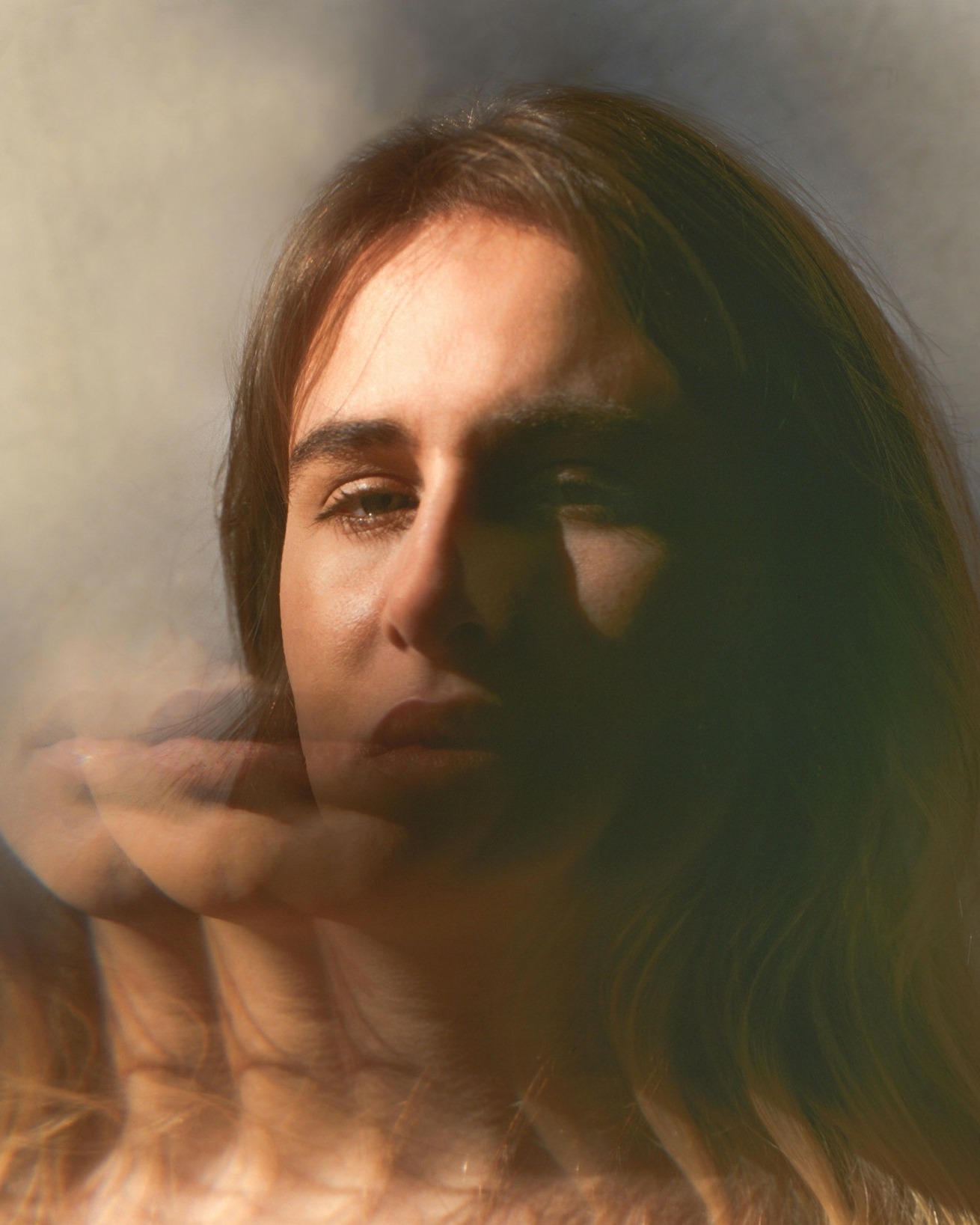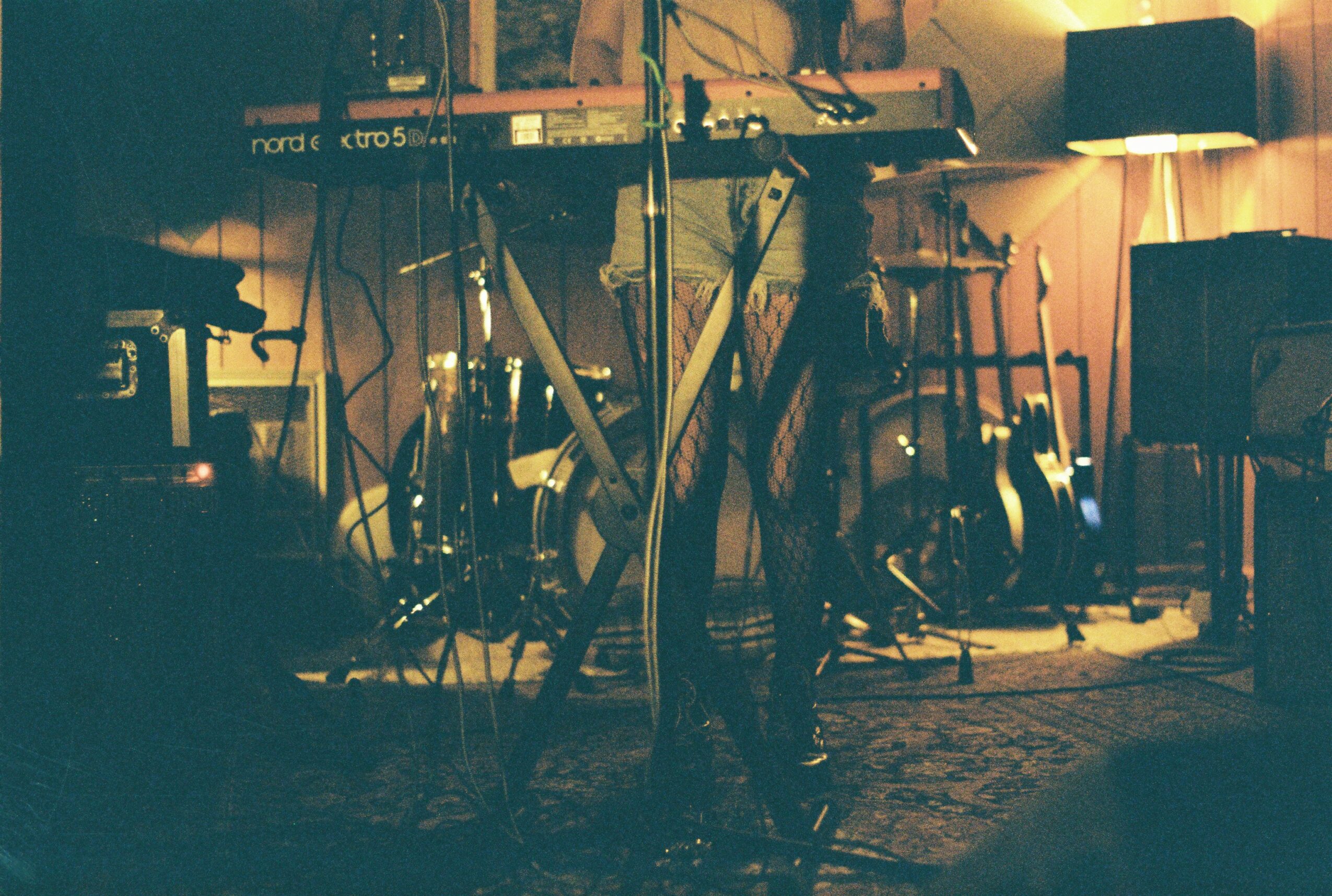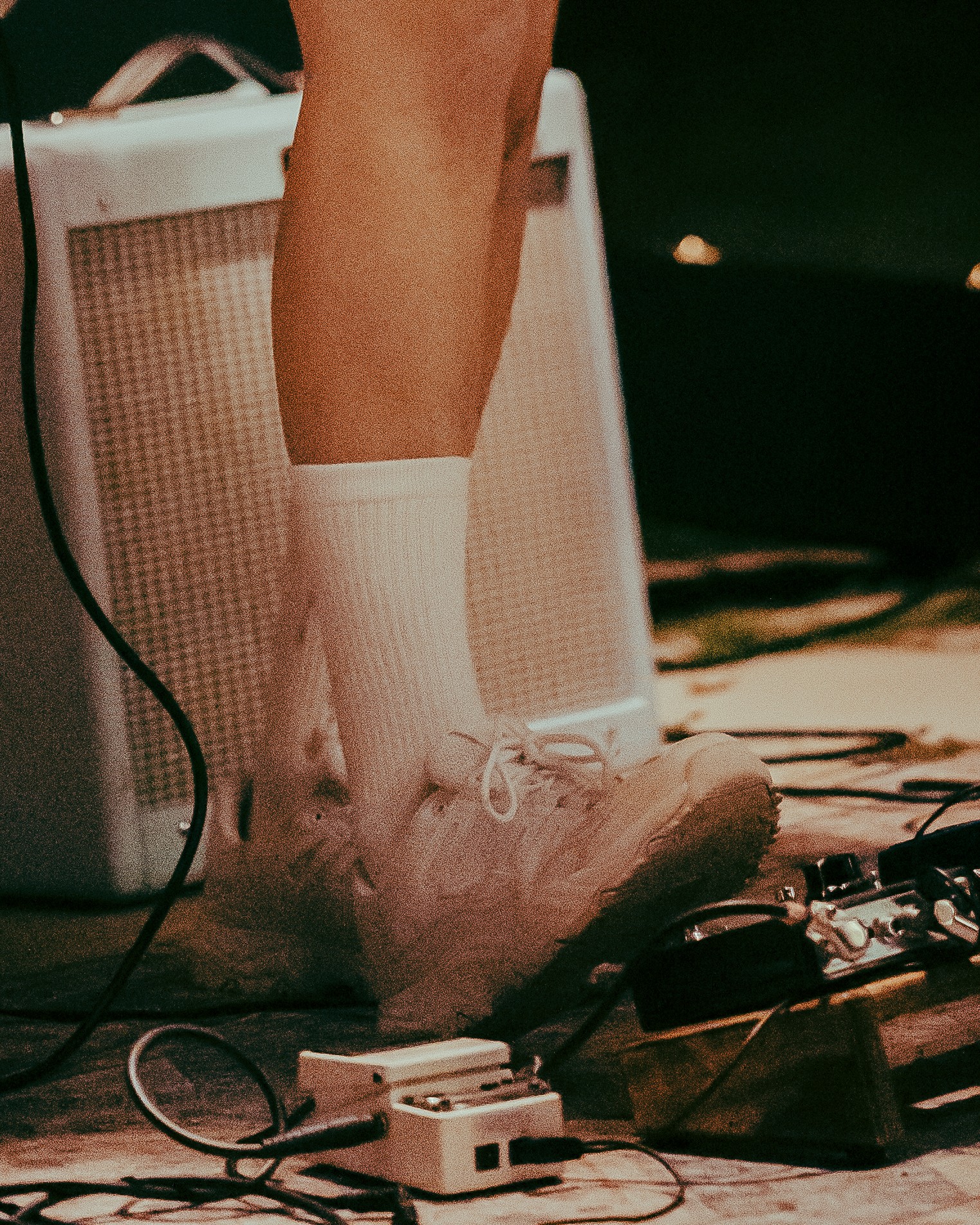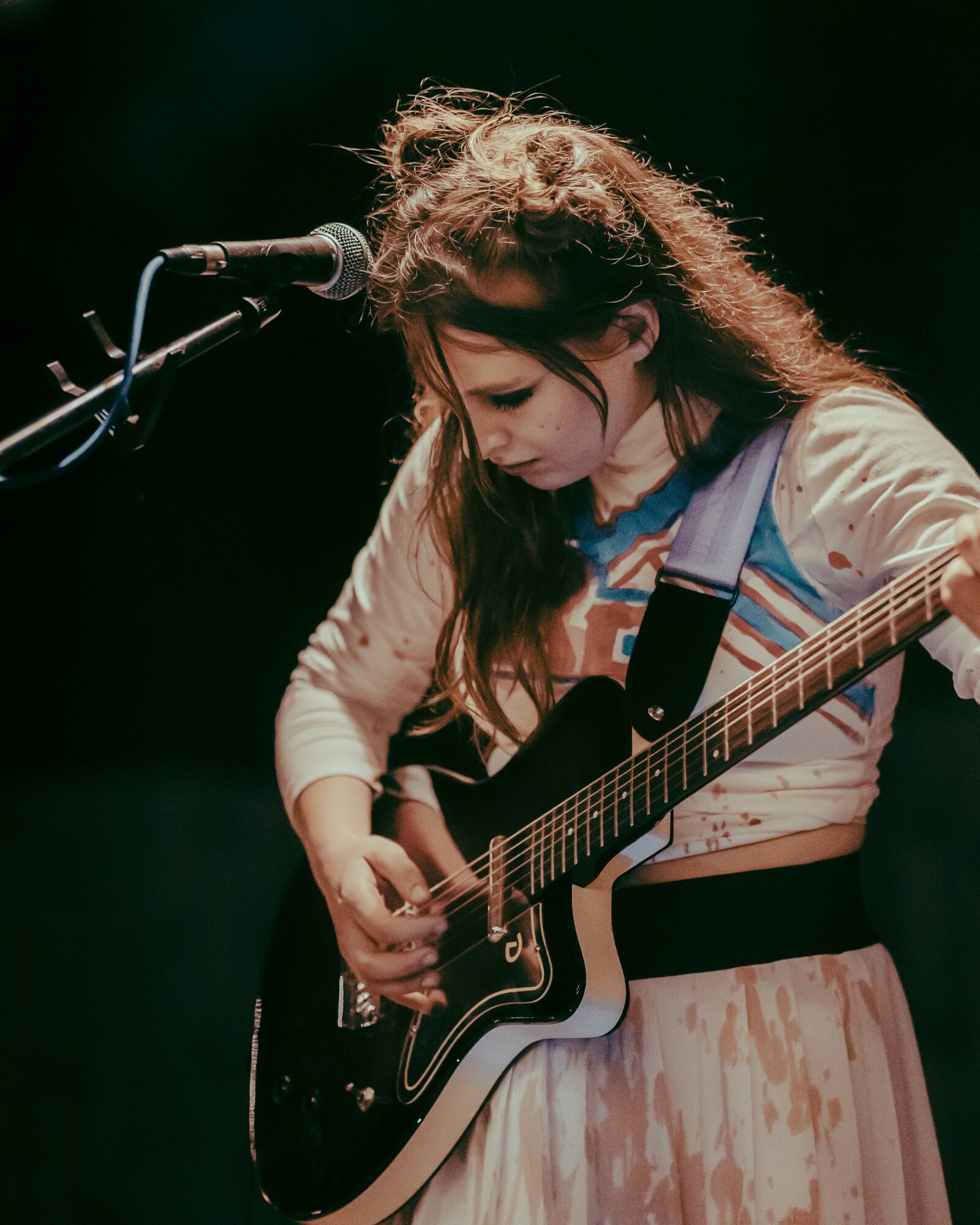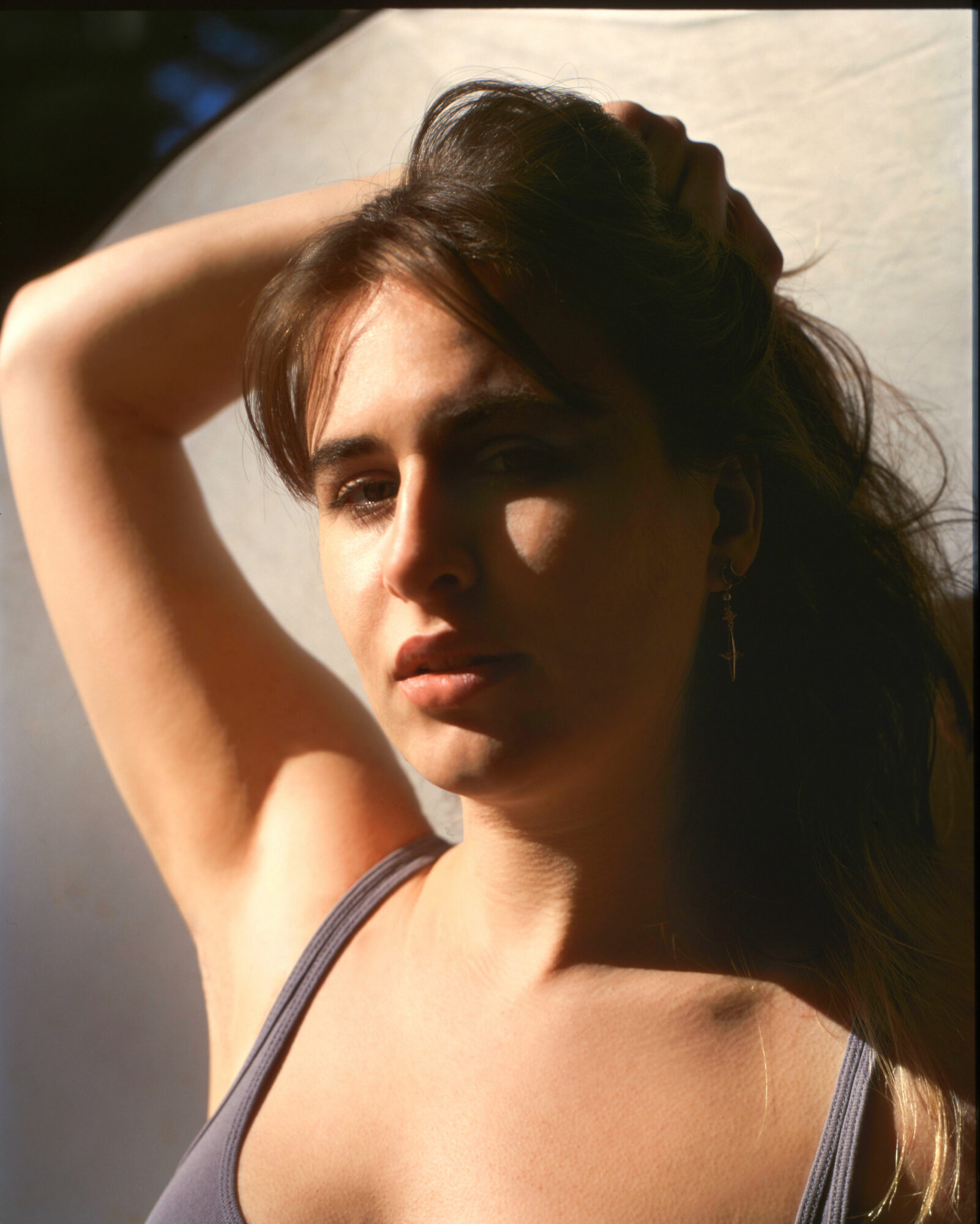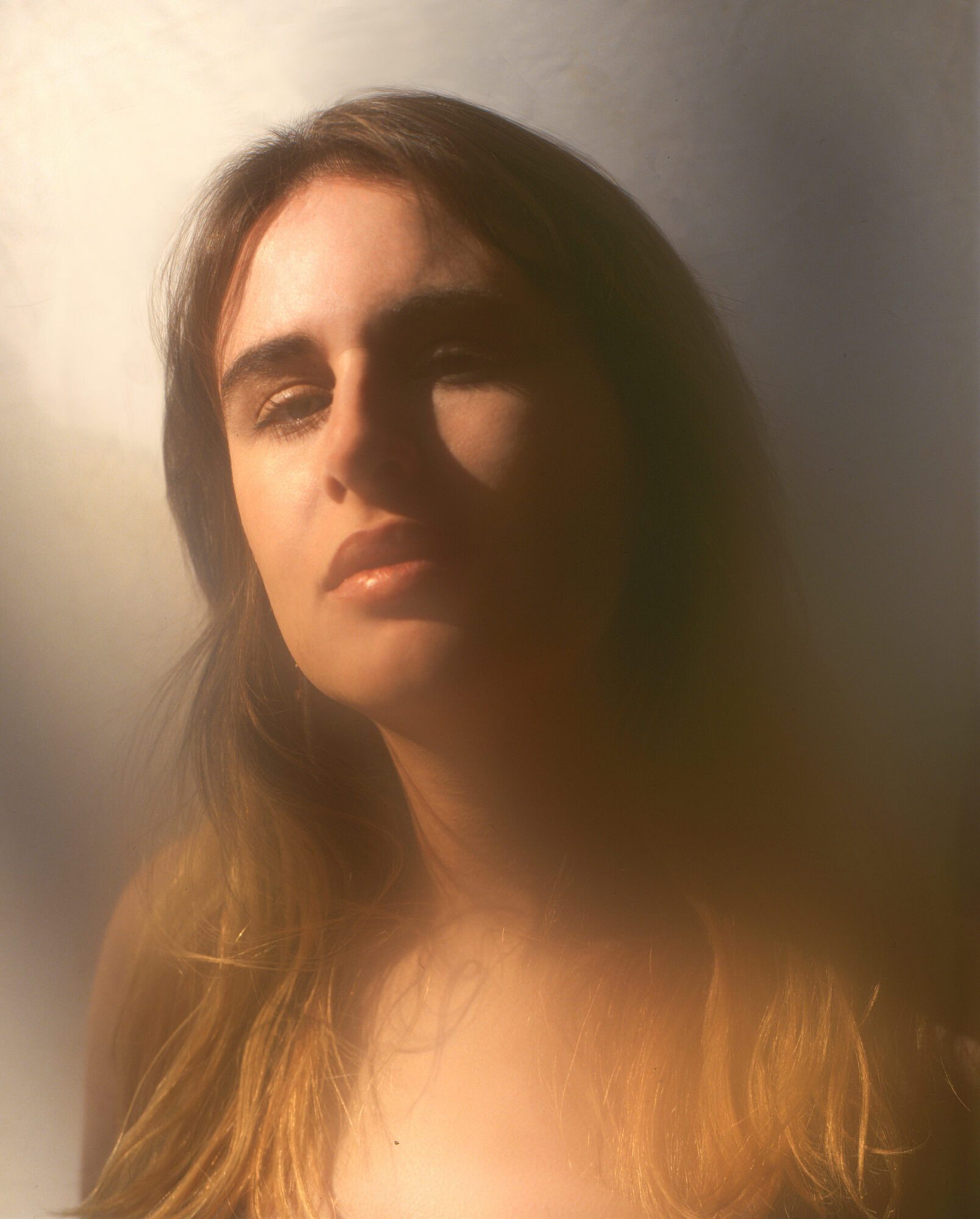




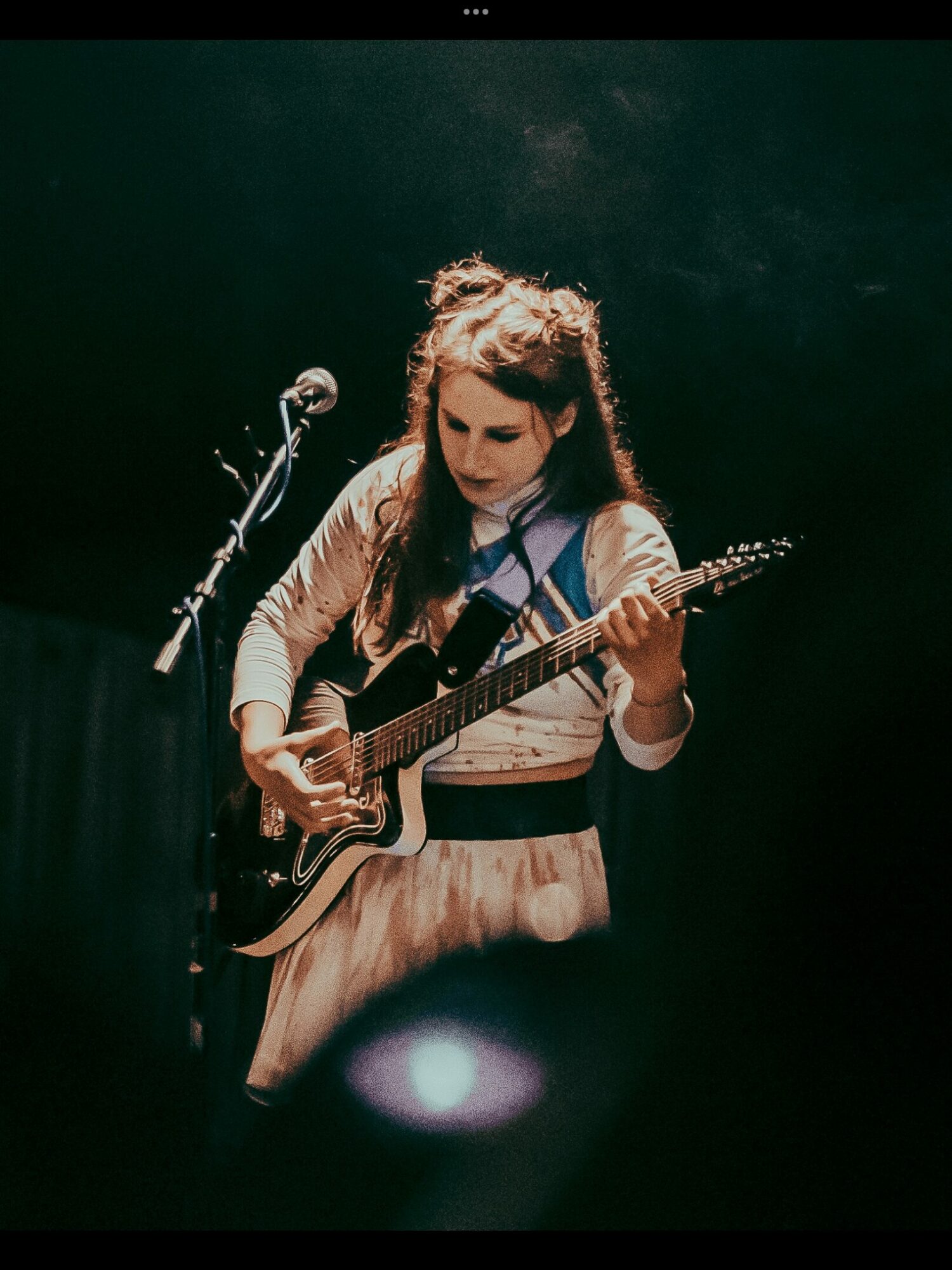
Today we’d like to introduce you to Ula
Hi Ula, we’re thrilled to have a chance to learn your story today. So, before we get into specifics, maybe you can briefly walk us through how you got to where you are today?
I grew up in Vermont, and honestly, almost every core memory I have is tied to music. I was always absorbed in song. I remember being in my garage as a kid, spinning around in circles on a RipStik with my ipod mini, blasting U2’s Vertigo on repeat. I’d do that for hours. Music has always just had this way of completely consuming me.
I’ve always been a writer. But I didn’t really start writing my own music until college. I was studying abroad in Glasgow, Scotland, and at that point, I hadn’t played music in two years. I had just come out of a toxic relationship that really pulled me away from myself, and in the process, I lost my love of music. But then one day, I saw this Facebook post from a student giving away a guitar for free. I replied, and this random person literally showed up at the door of my flat with a tiny, kid-sized nylon string guitar in a bright pink case. The second I got it, I started writing. Songs just poured out of me.
That was a huge turning point, but looking back, music has always been in me, even when I wasn’t actively making it. I grew up with my great-grandfather’s baby grand piano in my house—he was a violinist in Broadway pit orchestras—and I would sit at that piano for hours. We had all these fake books, and I’d flip through them, find songs where the lyrics intrigued me, and then completely make up the melodies because I couldn’t actually read sheet music. In middle school, my band teacher asked if I wanted to play bass in the jazz band. I had never played bass before in my life, but I said yes, and then just… riffed my way through the entire thing without reading a single note. I don’t think I was playing anything remotely correct, but my teacher never said a word, so I just kept going, headbanging and improvising my way through my middle school jazz recitals.
Over the years, my sound has evolved a lot. I started out more folky, then got into jazz guitar, and later, psychedelic and electronic pop elements with a loop pedal. But through all of it, storytelling has been at the heart of what I do. I’m really drawn to exploring the contradictions of being human—the ways we mess up, the ways we try, the ways we fail. At first, I leaned heavily into writing protest music. Then when I got sober, my songwriting evolved.
I moved to Nashville struggling with addiction, and about two months in, I realized I needed to make a drastic change. That was almost four years ago now. There’s a very clear before and after in my writing. Before, I was trying to escape through music—I was drowning in my own mind and using music as a way to dissociate. After, I started looking at things head-on, holding my life and my experiences with more honor and grace, approaching songwriting as a way to enhance reality rather than escape from it. And I think that’s what my music is about now—telling the truth, not turning away, and figuring out how to keep going even when things feel impossible.
We all face challenges, but looking back would you describe it as a relatively smooth road?
Oh, absolutely not. Anyone who gets into music thinking it’ll be smooth is in for a rude awakening. It’s not a traditional path, and it’s definitely not an easy one. But for me, it’s always been about connection—whether that’s with other musicians, with the audience, or just with myself.
There are so many aspects to being an artist—writing, performing, business, community-building. And they don’t always move at the same pace. If my songwriting is feeling stuck, I lean into performance. If performing feels draining, I put my energy into the business aspects. There’s always something to focus on.
One of the hardest things has been the contrast between how I appear to people and what my music sounds like. Day-to-day, I’m a pretty happy, easy going person. But my music leans sad, heavy, and a little dark. For a long time, I struggled with that contrast, but I’ve come to realize that writing is my way of holding space for those emotions. And the reality is, a lot of people feel that way too.
I think about walking away from music all the time. It can be exhausting, and unpredictable, and requires so much from you. But every time I feel that way, something keeps me going. A huge part of that is the community I’ve built and the people I surround myself with. My old roommate, Charlie Hill, and I started throwing basement shows, and over the last couple of years, we’ve built something really special. It’s not just a space for music—it’s a space for artists, for real conversations, for people to be themselves and feel seen and loved and valued. That keeps me going. My friends keep me going. The people who truly believe in me keep me going. And at the end of the day, music is just part of me. It always will be.
As you know, we’re big fans of you and your work. For our readers who might not be as familiar what can you tell them about what you do?
At my core, I’m a storyteller. Everything I do comes back to that. My music is raw, cinematic, and deeply personal—I write and sing about grief and contradictions, but also about resilience and hope. It lives somewhere between folk, ethereal pop, and singer-songwriter storytelling, but genre isn’t really the point for me. What matters is how it feels.
Since moving to Nashville, I’ve worked a lot of service industry jobs, but recently, I’ve transitioned into freelance work, which has been amazing. A big part of my journey has been figuring out how to make a living while staying independent. I don’t want anyone to own my music or me. I’m not a commodity—I’m a person. That means carving out a path that allows me to create on my terms.
Right now, a lot of my work is in podcast production, which I love. Every show I work on has a completely different audience, but at the core of it, storytelling is always the foundation. It’s been really cool to see how that ties back into my own artistry—thinking about pacing, engagement, and how to craft something that pulls people in.
One of the things I’m most proud of is the community I have here in Nashville. The people I surround myself with aren’t obsessed with clout or industry connections—they care about showing up for each other. Not just for music, but for life’s difficult moments. They create space for true understanding, love, and connection, and being part of that is something I don’t take for granted.
The thing I’m most excited about is a jukebox musical I’m working on. It’s still in the early stages, but I can see the vision forming. It’s personal, it’s challenging, and I know it’s going to take time—but I’m finally putting words on the page, and that’s the part where it starts to feel real. I’m also in the process of mixing a live album, and honestly, I need some support to make it happen. Patreon is a great way to contribute—there are different tiers, and anything helps. That said, support doesn’t have to be financial. Social media is free, and following along truly makes a difference.
As for what sets me apart? I think it’s that I refuse to be anything but honest. I write music because I have to. I perform because I need to feel the emotions and the connection. For me, music isn’t about presenting a polished version of something—it’s about feeling something real, whatever that may be.
Do you have any advice for those looking to network or find a mentor?
I’ve always believed that if you can’t find the community you’re looking for, it means you need to create it. That’s been a huge part of my story in Nashville. I saw the potential for an artistic community that felt real—where people weren’t posturing or trying to fit an image, but were making art because they needed to—because it’s who they are. And beyond the music itself, I wanted to surround myself with people I actually wanted to be around—people who challenge me and push me to have deep, insightful conversations. That kind of community doesn’t just appear; you have to build it.
When it comes to mentorship, I do have a mentor, but it happened very organically. I think some of the best things do. You don’t always need to seek someone out explicitly—sometimes, you just fall into the right dynamic with the right person, and it naturally becomes a mentorship.
Another thing that’s been really valuable for me is my weekly accountability meetings with my friend Alyssa Joseph. We check in on our music, our creative projects, and keep each other on track. Having someone to bounce ideas off of and hold you to your own commitments is huge. It’s easy to say you want to do something—it’s a lot harder to follow through. Having that kind of support system makes a difference.
If you’re trying to build connections in music—or in any creative industry—start by making friends. Real, true friends. Not networking connections. Not industry acquaintances. Friendship is the foundation. If you surround yourself with people who genuinely have your back, who push you, who want the best for you, that’s unstoppable. And when you build relationships based on trust and mutual respect, everything else—collaborations, opportunities, growth—happens naturally.
Contact Info:
- Website: https://ulamusic.com/
- Instagram: https://www.instagram.com/ula_music_
- Facebook: https://www.facebook.com/itsulamusic/
- LinkedIn: https://www.linkedin.com/in/ula-klein-24b165145/
- Youtube: https://www.youtube.com/@ulaulaulaulaula
- Other: https://patreon.com/user?u=59636461&utm_medium=unknown&utm_source=join_link&utm_campaign=creatorshare_creator&utm_content=copyLink